



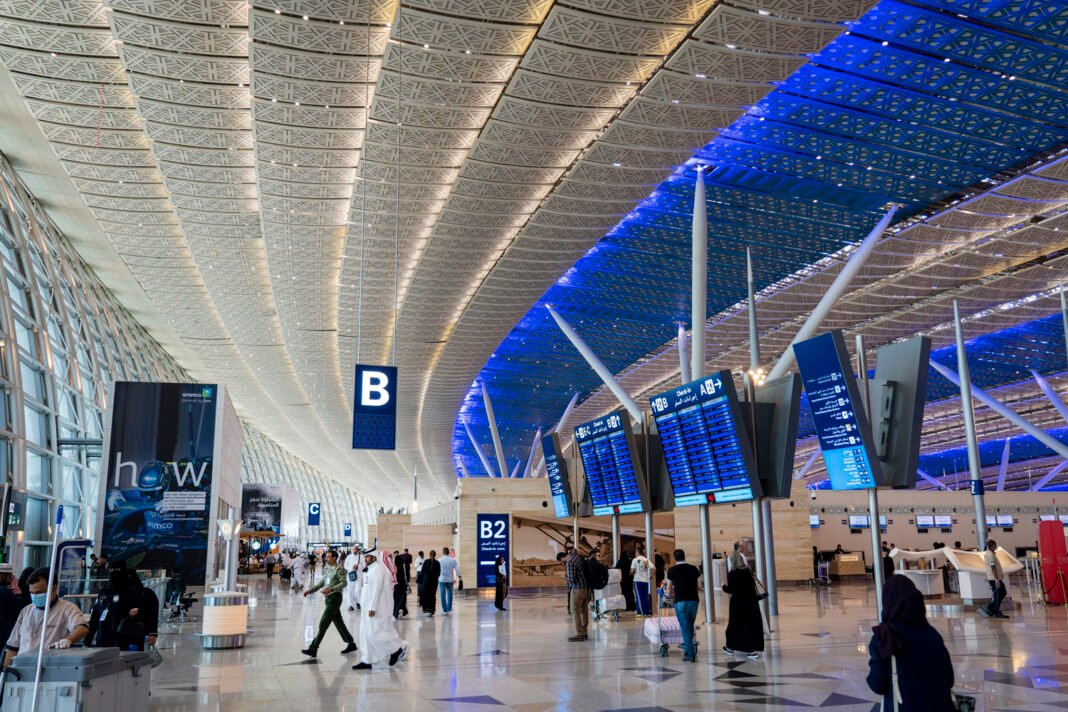
Terminal 4 has started phased operations at King Abdulaziz International Airport in Jeddah. The new facility adds up to 15 million passengers in annual capacity. The move comes as passenger numbers continue reaching record levels across Saudi Arabia. Airport officials began the first phase on September 27, 2026. Wizz Air, AJet, and SalamAir moved selected flights to the new terminal. Other international airlines will follow under a planned transition schedule. The expansion aims to improve airport capacity and support growing travel demand.
King Abdulaziz International Airport handled 53.4 million passengers during 2025. That figure marked the highest annual passenger total recorded by a Saudi airport. As a result, the airport needs additional facilities to manage future growth. Terminal 4 provides extra space for international flights and passenger services. The new facility also supports wider plans for Saudi Arabia’s aviation sector. Those plans form part of the Kingdom’s long-term transport and tourism strategies.
Saudi Arabia wants to increase air connectivity and expand airport capacity nationwide. The aviation program targets more than 90 million annual passengers at Jeddah airport. The wider national target reaches 330 million passengers each year by 2030. The program also aims to connect Saudi airports with more than 250 destinations worldwide. Therefore, new facilities will play an important role in meeting those targets. Jeddah remains a major gateway for international travelers and religious pilgrims.
Terminal 4 will also help redistribute passenger traffic across the airport. Jeddah Airports Company plans a gradual transfer of additional foreign airlines. The transition includes airlines currently operating from several airport terminals. Operational needs will determine the timing of each airline’s move. This approach should help maintain steady airport activity during the transition. It should also improve passenger movement across different facilities. Furthermore, the changes could help streamline check-in and departure procedures.
Several airline transfers will continue during the coming days. Fly Jinnah flights are scheduled to move on September 28. Those flights will transfer from the Hajj and Umrah Terminals’ B3 facility. Nesma Airlines flights will also move from the North Terminal. Akasa Air flights will transfer from the B3 facility on September 29. SyrianAir and Pegasus will move from the North Terminal on October 1. Azerbaijan Airlines and Tunisair will follow on October 3.
Additional carriers will move to the facility as the approved plan progresses. Airport operators want the process to remain organized and efficient. The gradual approach can also limit confusion among travelers. Passengers should check their departure terminal before heading to the airport. Airlines will provide updated terminal information through their official channels. Airport announcements will also help passengers confirm their assigned facilities. This step becomes especially important during the transition period.
The new building covers around 97,000 square meters. It can handle up to 15 million passengers each year. The terminal includes modern operational systems and updated passenger facilities. It also features dedicated group check-in areas for Hajj and Umrah travelers. These facilities can support large groups during busy pilgrimage periods. The design focuses on improving operational readiness and passenger flow. Consequently, the expansion can strengthen Jeddah’s role as a major aviation hub.
Terminal 4 also represents the redevelopment of the airport’s former South Terminal. That facility opened in 1981 and served travelers for nearly four decades. Its distinctive architecture featured a tent-inspired design. The former terminal closed to passenger operations in 2020. Airport services then moved to Terminal 1. Its redevelopment now gives the airport additional space for future passenger growth.
The latest expansion reflects Saudi Arabia’s continued investment in aviation infrastructure. Rising travel demand requires airports to increase capacity and improve efficiency. Jeddah plays a particularly important role because of its international connections. It also serves millions of pilgrims visiting Makkah and Madinah. Better facilities can support both regular travelers and seasonal passenger surges. In addition, expanded capacity can help airlines add more international services.
Terminal 4 strengthens the airport’s ability to manage future traffic growth. The phased rollout also allows airlines to move without disrupting airport operations. Meanwhile, new systems can improve passenger handling and terminal efficiency. The expansion supports Saudi Arabia’s broader aviation development ambitions. It also reinforces Jeddah’s position as an important international gateway. As more airlines join the facility, the airport’s overall capacity will continue to grow.

