



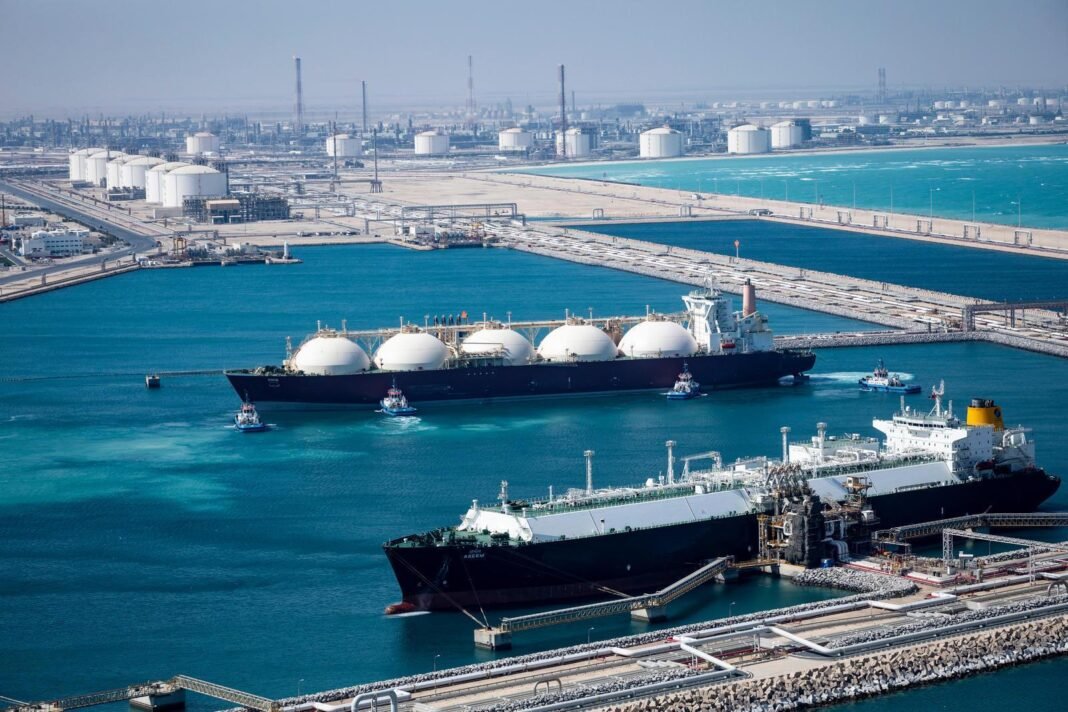
QatarEnergy LNG deliveries to Italy will remain disrupted after another force majeure extension. The latest notice affects six planned cargoes for Italian energy company Edison. The extension represents the fourth such decision this year. It also reflects continuing challenges affecting Qatar’s LNG production and exports.
Edison said the latest extension will run from early April through early December. So far, 35 LNG cargoes have faced force majeure under the disruptions. Those cargoes represent about 4.6 billion cubic meters of natural gas. Meanwhile, Edison says it can secure alternative supplies for its customers.
QatarEnergy signed a 25-year supply agreement with Edison in 2009. The agreement covers 6.4 billion cubic meters of gas each year. Italy received about 1.6 billion cubic meters from Qatar during the first quarter. However, the last delivery arrived in March before the disruptions intensified.
The latest development highlights the continuing impact on Qatar’s LNG export operations. Ras Laffan serves as the center of Qatar’s liquefied natural gas industry. The facility also ranks among the world’s largest LNG export hubs. Consequently, damage there has affected Qatar’s ability to maintain previous export levels.
QatarEnergy CEO Saad Al-Kaabi recently discussed the company’s production situation. He described current production at Ras Laffan as extremely limited. However, he said operations could restart within weeks after the Strait of Hormuz reopens. The company would still need to account for damage affecting production capacity.
Qatar has relied heavily on the Strait of Hormuz for LNG exports. The company has also ruled out alternative pipelines through neighboring countries. Therefore, reopening the waterway remains important for Qatar’s export operations. The route provides a key connection between Qatar’s LNG facilities and international markets.
The QatarEnergy LNG disruption began after attacks damaged key energy infrastructure in March. Those attacks removed nearly 17 percent of Qatar’s LNG export capacity. Al-Kaabi estimated that the disruption could reduce annual revenue by $20 billion. Qatar has since warned that repairs could take several years.
The company expects some damaged capacity to remain offline during the repair period. Earlier estimates indicated that around 17 percent of capacity could remain unavailable. That situation could affect long-term supply arrangements with international customers. It could also increase the importance of alternative gas supplies for buyers.
Edison has already confirmed that it can find replacement gas for customers. That option could help reduce the immediate impact of Qatar’s delivery delays. However, replacing long-term LNG volumes can create additional supply challenges. Buyers may also need to adjust sourcing strategies while disruptions continue.
The QatarEnergy LNG situation also carries wider implications for regional gas markets. Qatar supplies major volumes to customers across several international markets. Its export network supports long-term contracts with energy companies worldwide. Therefore, prolonged production problems could influence future supply planning.
Qatar’s LNG sector also plays an important role in regional energy security. The country supplies gas to nearby markets through established infrastructure. Its gas exports also support electricity generation and industrial activity. Consequently, extended production disruptions could affect several connected energy markets.
The Dolphin pipeline provides another important link within the region. Qatar supplies gas through the pipeline to the United Arab Emirates. The system connects Qatar’s gas network with major UAE consumers. This relationship highlights the wider regional importance of Qatar’s energy infrastructure.
QatarEnergy continues assessing the damage and its effect on production. Meanwhile, international customers must manage uncertainty around future deliveries. Edison has already indicated that alternative supplies remain available. Still, the situation could continue affecting LNG trade until repairs progress.
The extended force majeure therefore keeps pressure on Qatar’s export network. QatarEnergy LNG shipments to Italy remain affected through the latest extension. Future deliveries will depend on repairs, production recovery, and shipping conditions. The reopening of key routes could also influence the pace of recovery.