



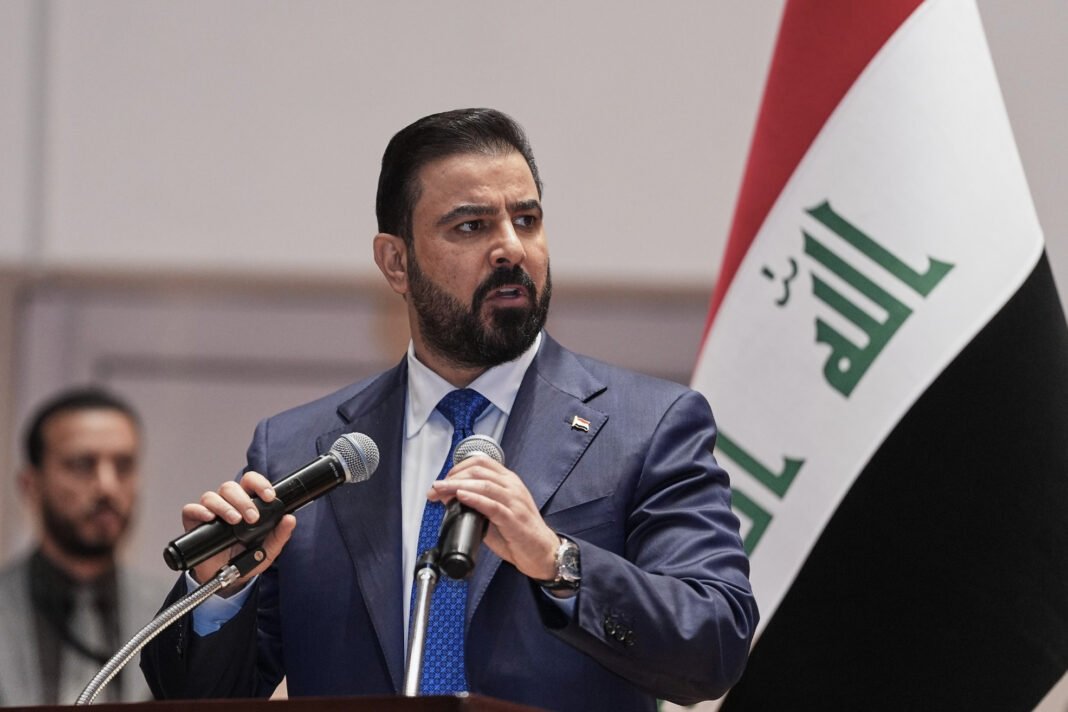
Iraq economic growth plans now include a $2.7 billion package to support recovery and new investment. Prime Minister Ali Faleh Al-Zaidi announced the measures as economic activity faces major pressure. The package will target housing, agriculture, industry, tourism, construction, and services. Meanwhile, the government expects stronger activity from wider private sector participation.
The package totals ID3.5 trillion, according to the government. It aims to increase liquidity and support businesses across several important sectors. In addition, authorities want public-private partnerships to help create new projects. These projects could also generate employment and support longer-term economic activity.
The government will direct ID1 trillion toward real estate and housing initiatives. The funding comes from existing programs operated by the Central Bank of Iraq. Housing activity remains an important part of the wider recovery strategy. Therefore, the measure could support construction companies and related businesses.
At the same time, the government plans to strengthen financing for industrial activity. The Trade Bank of Iraq and Industrial Bank will receive additional liquidity. The combined increase will reach at least ID1 trillion. This funding should help businesses secure financing and expand industrial production.
The government also plans to address outstanding payments to contractors and farmers. The finance ministry will release ID500 billion for contractors. Another ID500 billion will go toward payments owed to farmers. Consequently, the measures could provide additional liquidity across the domestic economy.
Furthermore, the government will increase funding for the Future Generations Fund Initiative. The program will receive an additional ID500 billion under the new package. Officials also included tourism and services within the broader economic strategy. Together, these measures aim to support activity beyond the oil sector.
However, Iraq faces significant economic challenges this year. The European Bank for Reconstruction and Development expects the economy to contract sharply in 2026. The forecast reflects disruptions to oil exports and wider regional instability. The closure of the Strait of Hormuz has also affected export flows.
Despite those pressures, the outlook for 2027 remains stronger. The economy could rebound by 14 percent next year, based on the forecast. That recovery would depend heavily on normal oil exports. It would also require broader improvements in domestic economic activity.
Iraq has already restored oil exports to about 70 percent of pre-war levels. Authorities increased transfers through the Strait of Hormuz to support shipments. Some shipments also moved through routes involving neighboring Iran. As a result, Iraq has regained part of its previous export capacity.
Still, the government faces pressure to diversify economic activity. Oil remains central to government revenue and export earnings. Therefore, stronger agriculture and industrial production could reduce some economic dependence. Housing, tourism, and services could also create new sources of domestic growth.
The new Iraq economic growth package therefore combines immediate support with longer-term measures. Funding for contractors and farmers could improve liquidity across key sectors. Meanwhile, industrial and housing financing could encourage new investment. The government will now need to implement the measures while managing continued external risks.
If oil exports continue recovering, Iraq could gain additional fiscal and economic support. Stronger exports could also improve confidence among businesses and investors. However, regional security conditions will remain an important factor. The pace of recovery will ultimately depend on both export stability and domestic activity.

