



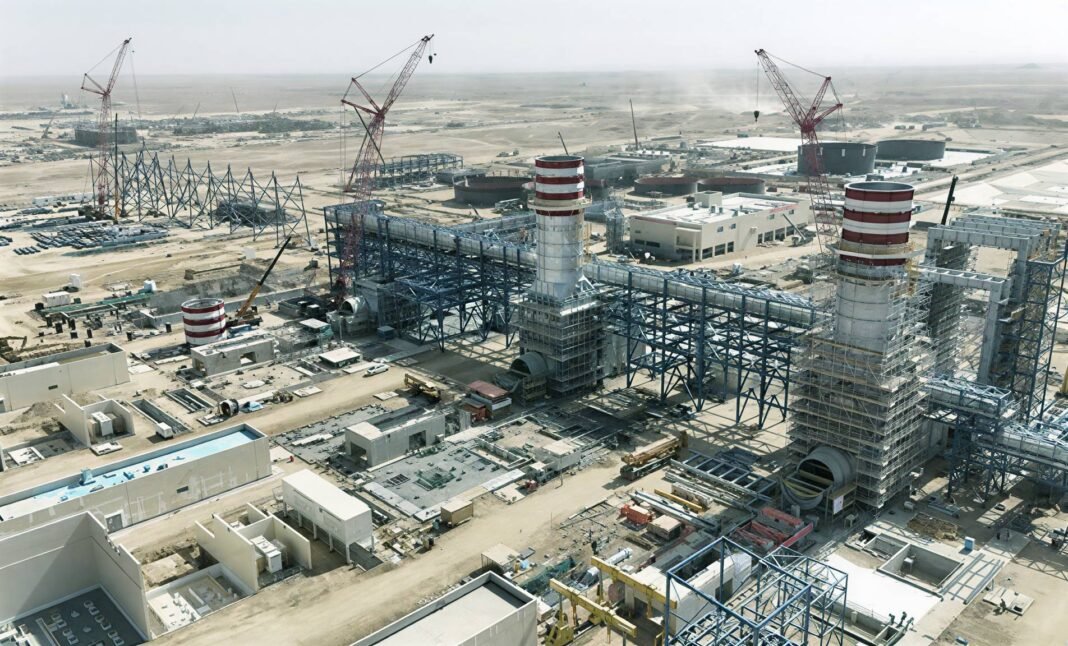
Saudi Arabia has secured major financing for the Mecca power plant expansion. ACWA Power and Saudi Energy will use the funding for the Rabigh 2 project. The two companies secured SAR9.7 billion from 14 regional and international banks. The financing will support a planned 2.3-gigawatt expansion in the Mecca region.
The funding equals about $2.6 billion based on current exchange rates. Moreover, the financing brings together lenders from several major markets. Four participating banks come from Saudi Arabia. Two lenders come from the United Arab Emirates, while another comes from Kuwait.
Three banks in the financing group come from China. Lenders from the United Kingdom, Cyprus, Taiwan, and Japan also joined. Together, the banks provide a broad international financing base for the project. The loan carries a 34-year term, although the companies did not disclose its detailed conditions.
ACWA Power and Saudi Energy each hold a 40 percent stake in the project. Meanwhile, Saudi Arabia’s Public Investment Fund owns 44 percent of ACWA Power. The ownership structure brings major Saudi investment institutions into the development. It also supports the country’s wider plans for expanding electricity generation.
In April, ACWA Power agreed to expand the gas-fired facility through a contract. The agreement carries a value of almost SAR12 billion. Furthermore, the expansion includes plans for a carbon capture unit. That addition could help reduce emissions from the facility during future operations.
The new financing marks another step toward expanding Saudi Arabia’s power generation capacity. Demand for electricity continues to shape major infrastructure plans across the kingdom. Therefore, large projects remain important for supporting future economic and population growth. The Rabigh 2 expansion will add significant generation capacity when completed.
ACWA Power also continues to develop projects across several markets. The company currently has 32 projects under development. Those projects represent a combined power generation capacity of 47 gigawatts. They also include water desalination capacity of around two million cubic meters daily.
Meanwhile, ACWA Power recently began generating electricity from two major gas-fired facilities. Those projects add to the company’s growing role in Saudi Arabia’s energy sector. The latest financing therefore strengthens its position within the kingdom’s power development plans. It also highlights continued banking support for major energy infrastructure.
The financing consortium reflects strong regional and international interest in Saudi projects. Banks from Asia, Europe, and the Gulf participated in the agreement. As a result, the project connects Saudi energy development with international financial institutions. This structure can also support future infrastructure financing across the kingdom.
The Saudi government has set ambitious targets for its future energy mix. The kingdom aims to generate half of its domestic electricity from renewable sources by 2030. It also targets net-zero emissions by 2060. However, gas-fired plants remain part of the current power system during the energy transition.
The Mecca power plant expansion therefore fits within a changing Saudi energy landscape. Gas generation can provide reliable electricity while renewable capacity continues to grow. At the same time, carbon capture technology could support efforts to reduce emissions. These factors make the Rabigh 2 expansion an important energy investment.
ACWA Power shares closed 1.5 percent higher at SAR166 on Sunday. However, the shares remain almost 10 percent lower since the start of 2026. Saudi Energy shares gained 0.6 percent to reach SAR15.56. The company’s shares have gained more than 7 percent this year.
Overall, the financing gives the Rabigh 2 expansion a major financial boost. It also strengthens cooperation between Saudi developers and international lenders. Furthermore, the project supports electricity supply plans across the Mecca region. The expansion will remain an important part of Saudi Arabia’s broader power development strategy.

