



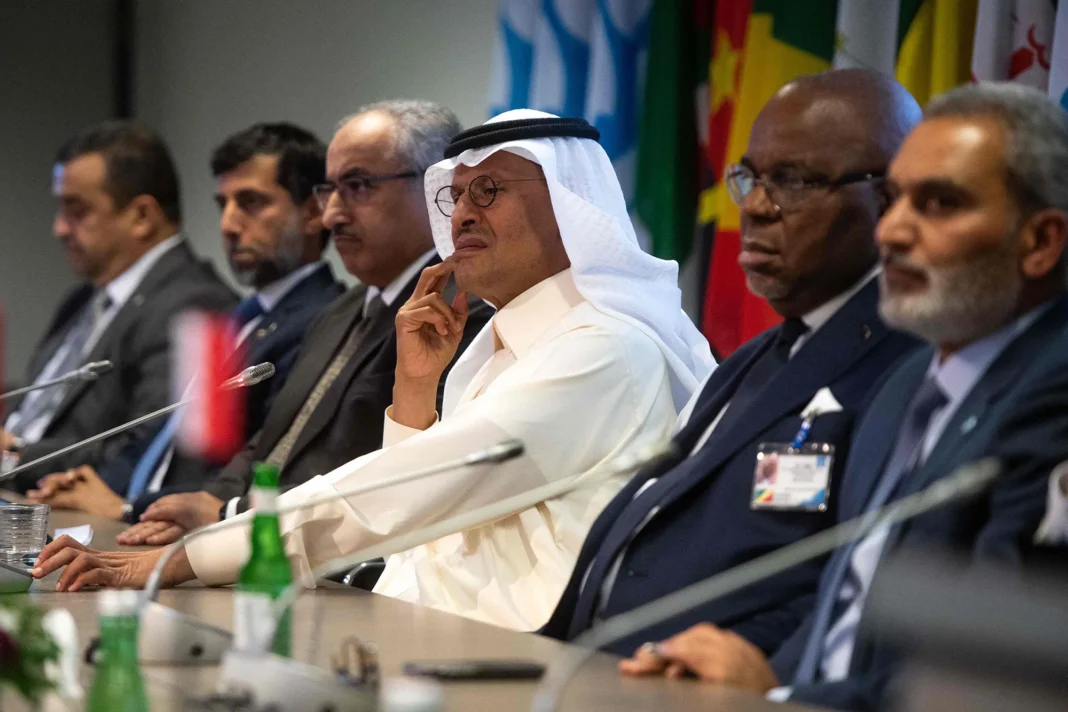
Energy Cooperation is gaining momentum as Saudi Arabia signs new agreements with Kuwait, Qatar and Egypt to expand regional collaboration. Saudi Energy Minister Prince Abdulaziz bin Salman signed three memoranda of understanding in Riyadh on Sunday. The agreements aim to strengthen energy security, encourage investment, and support new technologies across the sector. Moreover, they establish frameworks for cooperation in electricity, renewable energy, oil, natural gas, and petrochemicals.
The agreements reflect Saudi Arabia’s efforts to deepen partnerships with neighbouring countries and regional energy producers. They also address infrastructure development, energy storage, supply chains, and technical knowledge exchange. Furthermore, the memoranda encourage companies to explore joint projects and commercial opportunities. These initiatives could support more reliable energy supplies while helping participating countries develop new capabilities.
The agreement with Kuwait focuses heavily on electricity and renewable energy. Prince Abdulaziz signed the memorandum with Kuwait’s Minister of Electricity, Water and Renewable Energy, Subaih Abdulaziz Abdulmohsen Al-Mukhaizeem. Both countries plan to cooperate on electrical interconnection, power exports, energy efficiency, and storage. They will also explore opportunities involving smart grids and modern electricity systems.
In addition, the Kuwait agreement addresses digital transformation, artificial intelligence, cybersecurity, and innovation. These areas could help energy companies improve operational efficiency and strengthen infrastructure protection. The memorandum also encourages cooperation between specialised companies and supports the localisation of relevant products and services. Moreover, both countries intend to explore climate-related technologies and circular carbon economy solutions.
Saudi Arabia’s agreement with Qatar covers a broader range of traditional and emerging energy activities. Prince Abdulaziz signed the memorandum with Qatar’s Minister of State for Energy Affairs, Saad bin Sherida Al-Kaabi. The agreement includes petroleum, natural gas, refining, petrochemicals, electricity, and renewable energy. It also addresses clean hydrogen, energy efficiency, and storage technologies.
The two countries will explore joint ventures involving oil and gas export pipelines. Additionally, they intend to promote sustainable petrochemical products for construction and other industries. The agreement also creates opportunities for coordination on international climate policies and energy-transition discussions. Consequently, Saudi Arabia and Qatar could strengthen their positions in regional energy development while supporting wider cooperation.
Their discussions will also cover international climate negotiations and efforts to address plastic pollution. These subjects connect energy development with environmental priorities and industrial sustainability. However, the agreement establishes a framework for cooperation rather than guaranteeing specific projects. Future commercial arrangements will determine how individual initiatives progress.
The memorandum with Egypt concentrates on crude oil, petroleum products, and natural gas. Prince Abdulaziz signed the agreement with Egypt’s Minister of Petroleum and Mineral Resources, Karim Badawi. The countries will explore cooperation in energy trade, transportation, storage, distribution, and logistics. They also aim to strengthen infrastructure and improve links between their energy markets.
Furthermore, the agreement seeks to improve supply-chain resilience and reinforce energy security through commercial cooperation. Saudi Arabia will share expertise in upgrading and operating fuel stations. The two countries will also explore ways to increase competition in Egypt’s liquefied petroleum gas sector. In addition, they plan to expand cooperation in petrochemicals and investment opportunities.
The three agreements give Energy Cooperation a broader role in regional economic planning. They bring together electricity infrastructure, traditional fuel industries, renewable technologies, and investment opportunities. Nevertheless, their practical impact will depend on implementation, commercial conditions, and future joint projects. Companies in the participating countries may gain new opportunities as cooperation develops.
Ultimately, the memoranda underline Saudi Arabia’s interest in strengthening regional energy partnerships. Cooperation with Kuwait, Qatar, and Egypt could support more resilient supply chains and improve access to technical expertise. It may also create opportunities for investment across established and emerging energy industries. As regional energy needs evolve, the agreements provide a framework for continued collaboration.

