

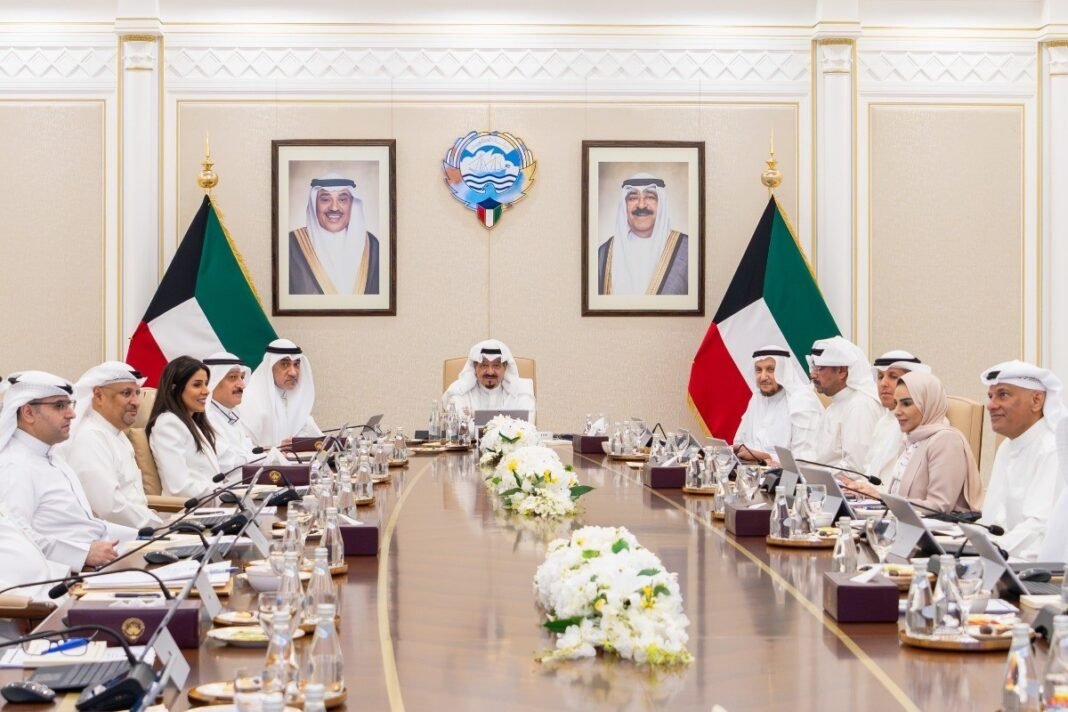
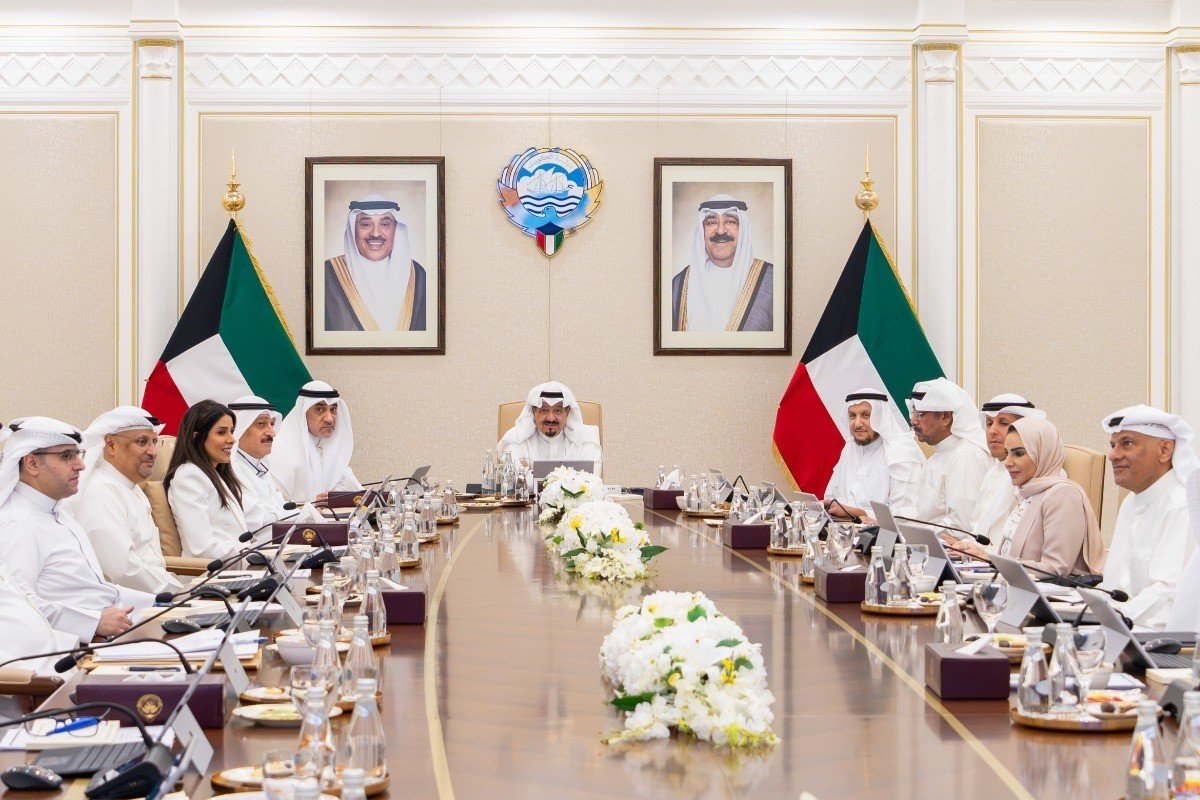
Kuwait’s Cabinet on Tuesday approved a draft decree-law concerning the Unified Excise Tax Agreement for the Gulf Cooperation Council (GCC) countries and its amendment, and submitted it to Amir Sheikh Meshal Al-Ahmad Al-Jaber Al-Sabah, according to the Kuwait News Agency (KUNA).
The decision was taken at the Cabinet’s weekly meeting, chaired by Prime Minister Sheikh Ahmad Abdullah Al-Ahmad Al-Sabah, as reported by Arab Times.
GCC states signed the unified excise tax agreement in Riyadh on November 27, 2016. Kuwait’s National Assembly received it on August 23, 2017, after which it moved between parliamentary committees without a vote, the Kuwaiti daily Al Jarida reported in January 2025.
The government asked parliament in November 2023 to fast-track the agreement, but the request was rejected. A session set for March 19, 2024 to approve it did not take place because the assembly’s sittings were suspended, according to Al Jarida.
A government document cited by the newspaper said that, for Kuwait, the tax would be limited to four groups of goods: tobacco and its derivatives, energy drinks, carbonated drinks and sweetened drinks.
Minister of Finance Noura Al-Fassam said at the World Economic Forum in Davos in January 2025 that Kuwait would approve the tax soon, Al Jarida reported at the time.
The amendment is an annex to the agreement that GCC member states signed on June 1, 2025. It allows states to levy excise tax as a percentage of a product’s value, as a fixed amount per unit based on volume, weight or quantity, or as a combination of both. Bahrain approved the annex through Decree No. 22 of 2026.
The reports did not say when the tax would take effect in Kuwait.