



Iraq’s government on Friday denied reports that it plans to borrow 16 trillion Iraqi dinars (about $10.56 billion) from Saudi Arabia, Kuwait, China, Germany and France to cover its budget deficit.
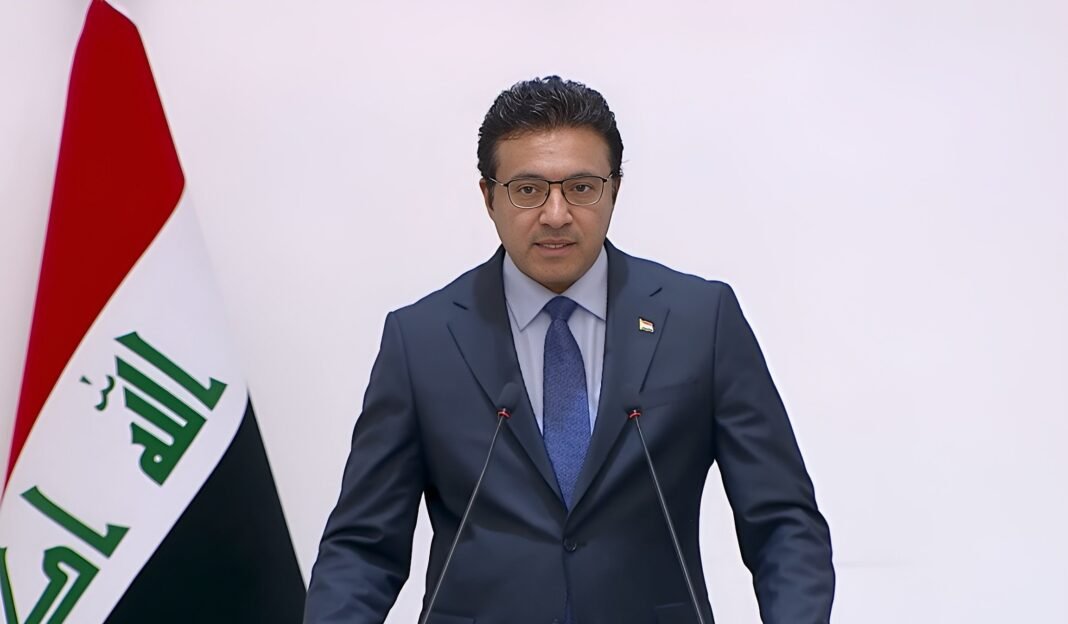
“The reports circulating about Iraq’s intention to borrow 16 trillion dinars from several countries to cover the budget deficit are incorrect; there is no need for such borrowing, given the current indicators for oil exports,” government spokesperson Haider Al-Aboudi told the state-run Iraqi News Agency.
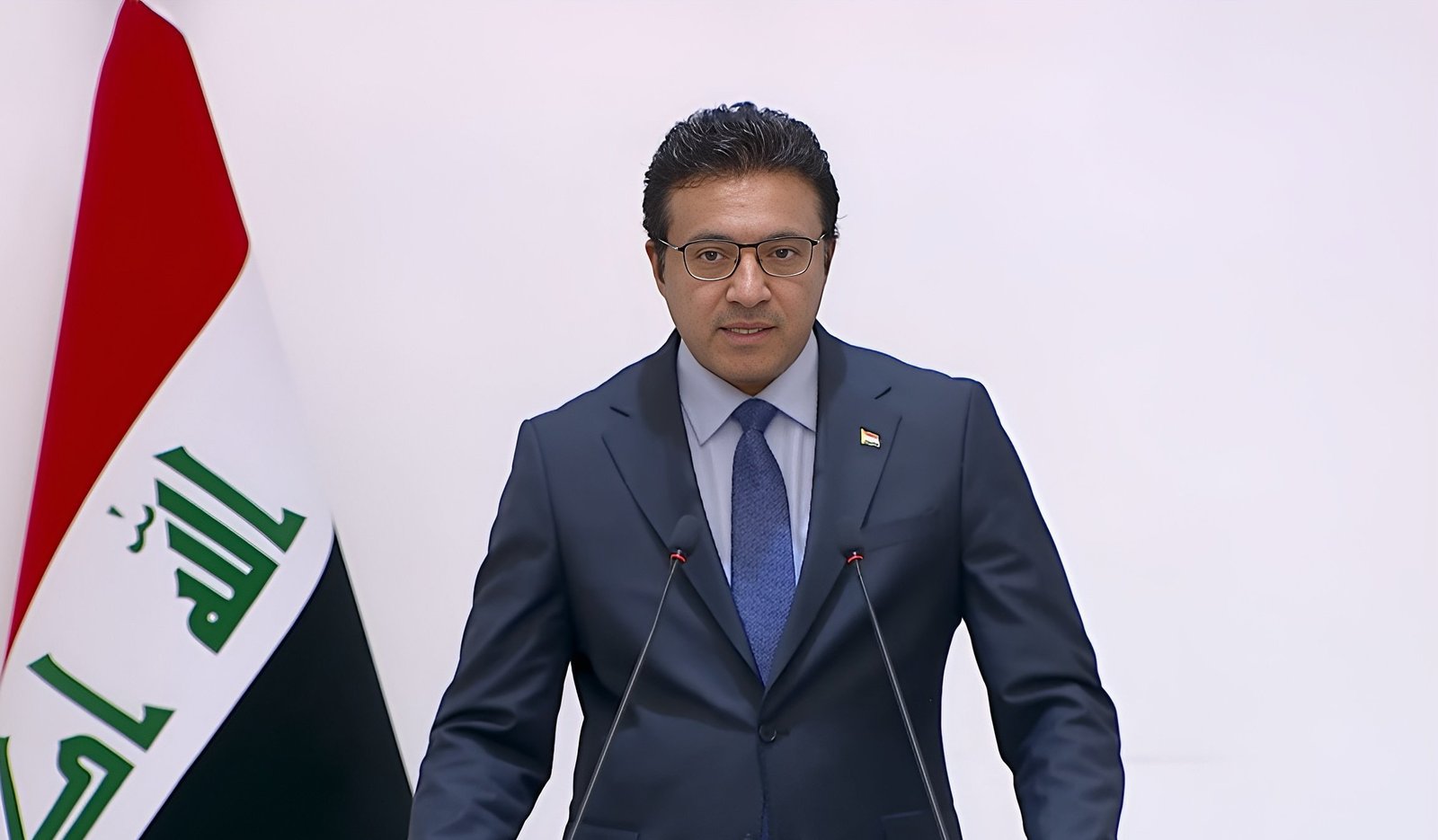
Al-Aboudi said an increase in oil export volumes had boosted revenues. He said the government’s policy is based on the precise allocation of Iraq’s revenues to support public spending and meet the state’s financial needs.
The reports followed comments by Iraqi economist Nabil Al-Marsoumi, who told local media that Baghdad planned to borrow from the five countries to meet its budget requirements.
After the denial, Al-Marsoumi repeated his claim on social media. He wrote that the draft 2027 budget provides for 38 trillion dinars of borrowing, of which 16 trillion dinars is external and 22 trillion dinars is internal, The New Region reported.
Kurdish broadcaster Rudaw, citing the draft budget law, reported on Friday that proposed loans total 16.1 trillion dinars. Of that amount, 8.4 trillion dinars is new debt and the rest is continuing loans from international institutions, Rudaw said.
Rudaw said the draft sets total 2027 spending at about 177.2 trillion dinars, with a deficit estimated at 43 trillion dinars, part of which would be covered by borrowing.
The Council of Ministers returned the draft budget to the Finance Ministry for revisions in mid-October. Uday Awad, head of the parliamentary finance committee, told state media on Monday that the bill is expected to reach parliament in mid-November.
Iraq ships most of its crude through the Strait of Hormuz, where tanker traffic has been disrupted by the conflict involving Iran. The International Monetary Fund said on Thursday it is engaging with Iraq on a new program.