



Fitch Ratings affirmed Abu Dhabi’s long-term issuer default ratings at AA with stable outlooks on Friday, saying the resilience of oil export revenue during the US-Iran war is allowing the emirate to keep building its fiscal and external buffers.
The agency said the rating reflects Abu Dhabi’s high GDP per capita and very strong fiscal and external metrics. Government debt is among the lowest of Fitch-rated sovereigns, while sovereign net foreign assets are among the highest.
The rating is constrained by heavy dependence on hydrocarbons, a relatively weak but improving economic policy framework, geopolitical risks and governance indicators that are low compared with peers, Fitch said.
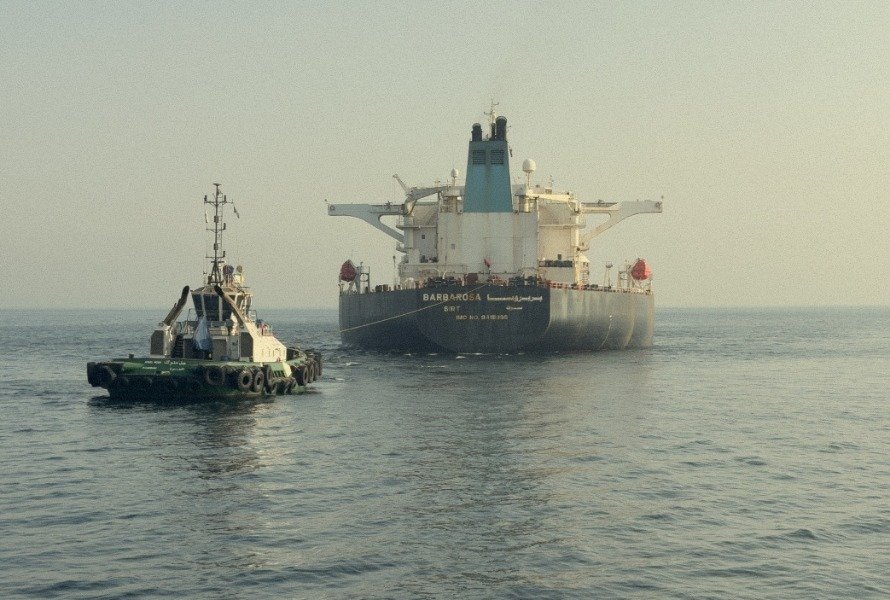
Fitch’s baseline assumes that some form of durable deal will reopen the Strait of Hormuz around the first quarter of 2027. Until then, it expects periodic strikes and counter-strikes, mostly on military targets and ships.
The agency projects Abu Dhabi’s oil production will jump to 4.2 million barrels per day in 2027 as conditions around the strait normalize and a second pipeline to Fujairah opens around mid-year. It put production capacity at around 5 million barrels per day and flagged upside risks given uncertainty around the UAE’s post-OPEC oil policy.
Fitch forecast a budget surplus of 2.3% of GDP in 2026, excluding investment income of the Abu Dhabi Investment Authority (ADIA), compared with 2.1% in 2025. On a general government basis, which includes ADIA income, it projects a surplus of 7.1% of GDP.
The agency expects the surplus to widen in 2027 on higher oil output before narrowing in 2028. It forecasts Brent crude to average $70 a barrel in 2027 and $60 in 2028.
Fitch estimated Abu Dhabi’s sovereign net foreign assets, mostly ADIA holdings, at 300% of GDP at the end of 2025, against a median of 45.1% for AA-rated sovereigns. Government debt stood at 19.3% of GDP at the end of 2025, compared with an AA median of 46.5%.
It estimated the debt of government-related entities at more than 48% of GDP in 2025 but described these contingent liabilities as manageable.
Higher hydrocarbon output will lift total economic growth to 3.7% this year, Fitch said, and to a long-term high of 15.1% in 2027. It expects non-oil growth to rebound but not to the pace of the years immediately before the war.
Fitch also withdrew Abu Dhabi’s separate country ceiling. The UAE’s country ceiling of AA+ now applies to the emirate, which the agency said does not affect Abu Dhabi-based issuers.