



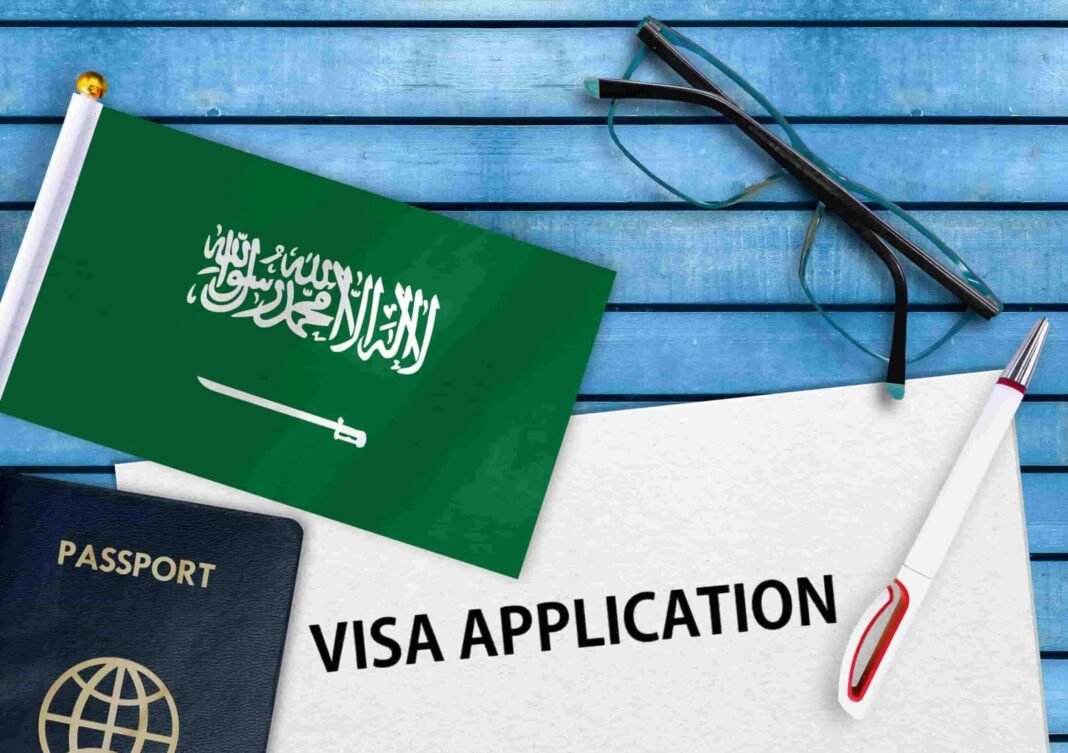
Saudi visa rollout positions the Kingdom as the biggest beneficiary of the GCC unified visa. Experts say the new system will strengthen regional travel, business mobility, and tourism. The permit allows seamless travel across all six Gulf states, benefiting both visitors and local economies.
The Saudi visa rollout aligns perfectly with Vision 2030 tourism goals. Mega-projects such as Neom, the Red Sea resorts, and AlUla create multiple attractions for travelers. The unified visa enables tourists to combine stops in Saudi Arabia with visits to Dubai, Qatar, and other GCC destinations.
Furthermore, Saudi Arabia holds a unique advantage in religious tourism. Millions of Hajj and Umrah pilgrims visit Makkah and Madinah annually. The visa encourages longer stays and exploration of cultural, historical, and leisure destinations within the Kingdom. Officials expect airports like Riyadh and Jeddah to serve as transit hubs for multi-country itineraries.
In addition, the rollout will enhance regional mobility for business travelers. Multinationals will benefit from faster cross-border travel, improving logistics and trade efficiency. The visa supports Saudi Arabia’s economic reforms by attracting skilled professionals and boosting investment in key sectors.
Saudi visa rollout also stimulates infrastructure development. The government invests in airports, rail systems, and regional transport corridors. King Salman International Airport aims to handle millions of passengers, while domestic and GCC flights increase connectivity. Low-cost carriers and high-frequency routes will support seamless travel across the Gulf.
Moreover, economic benefits extend beyond tourism. The hospitality sector expects growth in hotels, dining, and transportation. Increased international arrivals will raise occupancy rates and spending per visitor. Logistics, entertainment, and experience-based tourism, including cultural and wellness packages, will also gain from the surge in mobility.
At the same time, the unified visa strengthens Saudi Arabia’s strategic position. The Kingdom’s central location in the Gulf enhances its role as a hub connecting trade, tourism, and innovation across the region. This connectivity boosts its influence, economic integration, and soft power within the Gulf.
Looking ahead, the Saudi visa rollout may reshape regional travel patterns. Travelers can move easily between GCC states, supporting multi-destination itineraries and longer stays. Businesses and investors stand to gain from increased tourism, trade, and talent mobility.
Overall, the Saudi visa rollout represents a transformative opportunity. The Kingdom’s religious significance, strategic location, and Vision 2030 initiatives position it to gain the most from the GCC unified visa. This historic regional integration will strengthen tourism, business, and economic growth across the Gulf.

