



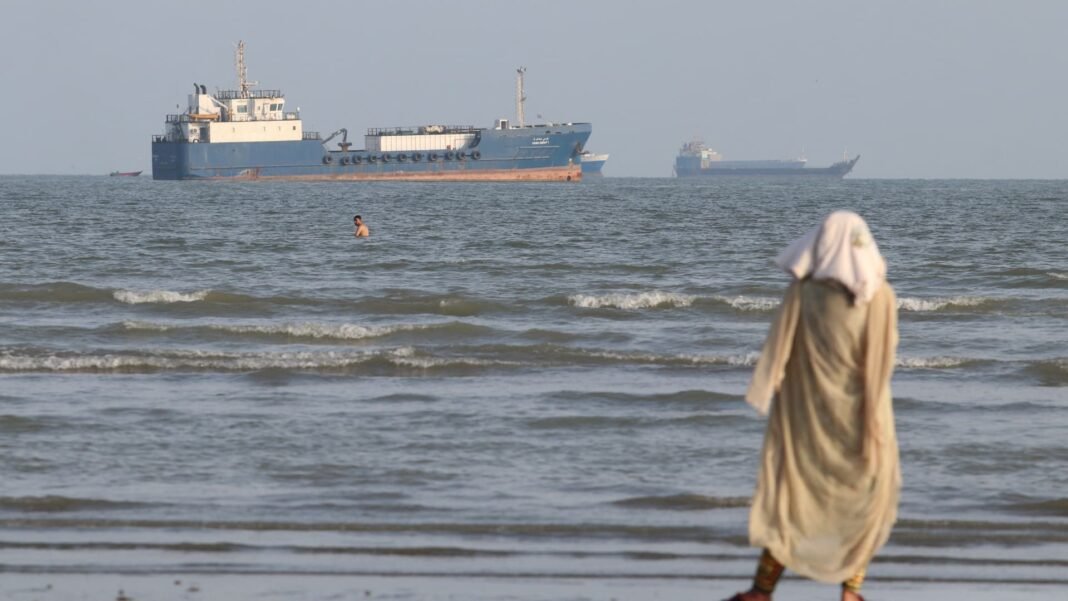
Brent crude futures rose $3.94, or 3.7%, to settle at $109.86 a barrel on Friday, October 16, the highest close since May 19, as attacks on shipping near the Strait of Hormuz and on Saudi Arabia kept Gulf supply risks in focus.
The December Brent contract gained $5.14, or 4.9%, over the week, its fourth consecutive weekly rise, according to Dow Jones Market Data. Brent is up 80.5% since the start of the year.
US West Texas Intermediate crude for November delivery rose $3.44, or 3.5%, to settle at $101.41 a barrel. WTI gained more than 10% over the week, while Brent touched $110 during the session for the first time since May, CNBC reported.
At least nine tankers and cargo ships have been attacked near Hormuz since Sunday as Iran tries to choke off crude exports through the waterway, according to CNBC.
Crude exports through the strait stood at 9.4 million barrels per day in the week ended Wednesday, about 70% of the average before the war, CNBC said, citing data from energy researcher Kpler.
On Friday, India’s minister of ports, shipping and waterways, Sarbananda Sonowal, said the crude oil tanker MT ST 3 had been struck by a projectile in the Strait of Hormuz, The National reported. He said all 15 Indian crew members on board were safe.
In Saudi Arabia, a ballistic missile launched toward Yanbu was intercepted and destroyed on Friday, Major General Turki Al-Malki, spokesperson for the Saudi-led coalition in Yemen, said, according to Asharq Al-Awsat. CNBC described the missile as heading toward the Red Sea oil export terminal.
Iran-allied Houthi militants in Yemen have repeatedly fired missiles and drones at Saudi Arabia this week. An administrative building of Saudi Aramco in Dhahran was hit on Tuesday, CNBC reported.
Ukraine’s pledge to keep striking Russian refineries added to supply concerns. US crude also drew support from a decline of more than 8 million barrels in commercial inventories in the week ended October 9, which the US Energy Information Administration linked to hurricane-related production shut-ins on the Gulf Coast.
“The main source of international uncertainty remains the security of energy transportation in the Middle East,” Antonio Di Giacomo, senior market analyst at XS.com, said in a note cited by The Wall Street Journal.

