



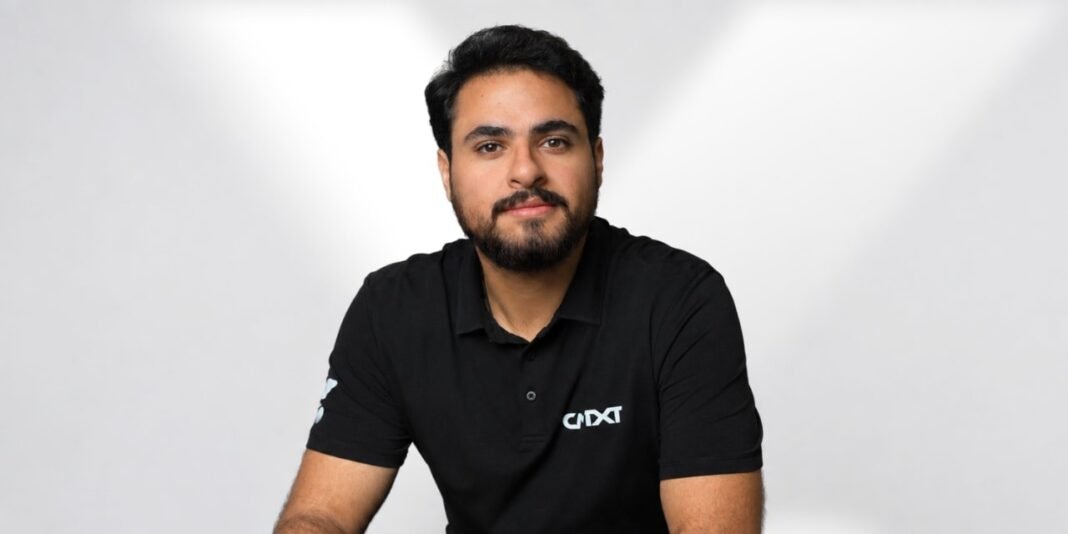
CNTXT AI, a UAE-based Arabic artificial intelligence and data company, is opening its first US office in Milpitas, California, and has $300 million in committed revenue, most of it from American cloud computing groups, AI developers and large enterprises, The Wall Street Journal reported.
The company plans to build a commercial team of 15 to 25 people in its first year in California, including senior revenue and marketing executives, Chief Executive Mohammad Abu Sheikh told the newspaper.
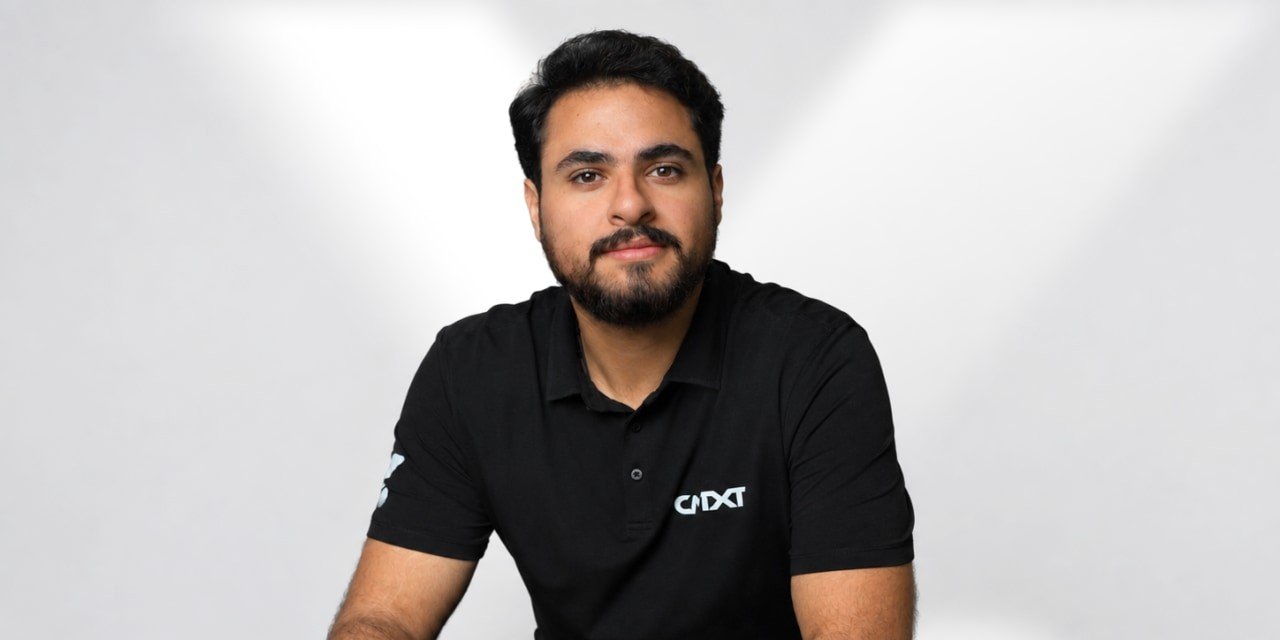
Abu Sheikh said 90% of the company’s clients are in Silicon Valley, mainly hyperscale cloud companies and robotics labs.
The expansion follows a $60 million Series A round that CNTXT closed in June. The round was co-led by AI71, the Abu Dhabi applied AI company, and BlueFive Capital, a Gulf-founded asset manager, CNTXT said at the time.
CNTXT develops Arabic-first AI models and supplies data that other companies use to train and evaluate their own systems.
Its Munsit voice platform has more than 300,000 users, and its speech-to-text and text-to-speech models have been trained on more than 110,000 hours of Arabic audio covering more than 25 dialects, according to figures the company gave the Journal.
In June, CNTXT acquired Actualize, a developer of Arabic voice agents built for Gulf dialects. Financial terms were not disclosed.
The company also sells robotics training data, including first-person video of everyday tasks recorded in warehouses, kitchens, hotels and hospitals. Its KLKT app pays contributors for accepted recordings, which CNTXT says are collected with consent and reviewed by people before labeling.
The company aims to work with US customers that buy the recordings to deploy robots in the same regional workplaces where the data was collected, according to the report.