


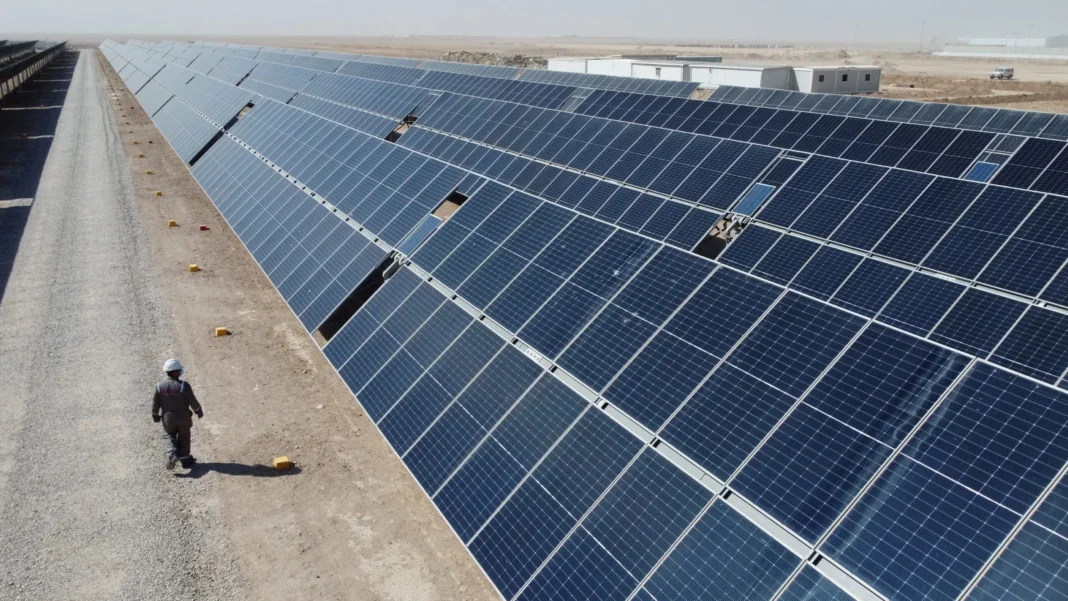
Iraq is entering a new phase of development as green projects expand across several sectors. Clean energy and waste management are gaining greater attention. At the same time, businesses face growing demands for sustainable and efficient project delivery. Iraq has expanded its clean energy plans during the past two years. A large solar plant now operates in Karbala. Another major solar project is moving forward in Basra. The facility has a planned capacity of one gigawatt. It entered trial operations in March 2026. Full operations are expected in 2028.
Karbala has also attracted investment in solar equipment manufacturing. A new factory can produce more than 200 megawatts of solar modules each year. Meanwhile, waste management has become another important development area. A major project in Baghdad targets waste processing and energy production. Another planned facility could process around 6,000 tonnes of waste daily. The project could also produce organic fertilizer and sustainable aviation fuel. These developments support Iraq’s wider plans for cleaner infrastructure.
Iraq aims to reach 12 gigawatts of solar capacity by 2030. However, achieving that target will require more than financial investment. Businesses will also need stronger project management practices. Traditional project management often focuses on time, cost, and scope. Those factors remain important for successful delivery. However, they do not always measure long-term environmental or social results. Green project management adds broader considerations to the planning process. These include people, the planet, prosperity, products, and processes.
The people dimension considers workers, communities, users, and human rights. The planet dimension examines emissions, energy, water, waste, and biodiversity. Prosperity focuses on economic value, resilience, and long-term performance. The product dimension considers durability and future maintenance requirements. Finally, the process dimension examines efficiency and fairness during delivery. These areas can help companies identify risks earlier. They can also improve decisions before construction begins.
Timing remains another important part of sustainable project management. Companies often make key design decisions before appointing project managers. Those decisions can determine materials, locations, and operating requirements. Later sustainability changes can then become expensive. Therefore, businesses should consider environmental and social factors during the earliest planning stages. This approach can reduce future costs and improve project outcomes.
Iraq already has examples of projects combining economic and social goals. A major restoration program in Mosul invested $115 million across 15 partners. The initiative restored 124 historic homes in the Old City. It also renovated 404 classrooms across Nineveh province. The program created more than 7,700 jobs. Additionally, 2,800 people completed technical and vocational training. The project also reused existing structures instead of relying only on new construction. This approach supported local communities while reducing the need for additional materials.
For Iraqi businesses, the growing focus on sustainability creates new responsibilities. Companies may need to include environmental measures during project approval. They may also need to track social and economic outcomes. Green projects will require managers who understand more than budgets and schedules. These managers must consider how assets perform over many years. They must also understand their effects on surrounding communities and resources.
Iraq’s expanding renewable energy pipeline provides an opportunity to develop these skills. Waste management and infrastructure programs offer additional opportunities for practical experience. Sustainable methods can also work alongside existing project management approaches. Companies can therefore adapt their current systems without replacing them completely. As Iraq develops new infrastructure, stronger project management will become increasingly important. Sustainability can help businesses prepare for the country’s next stage of development.