



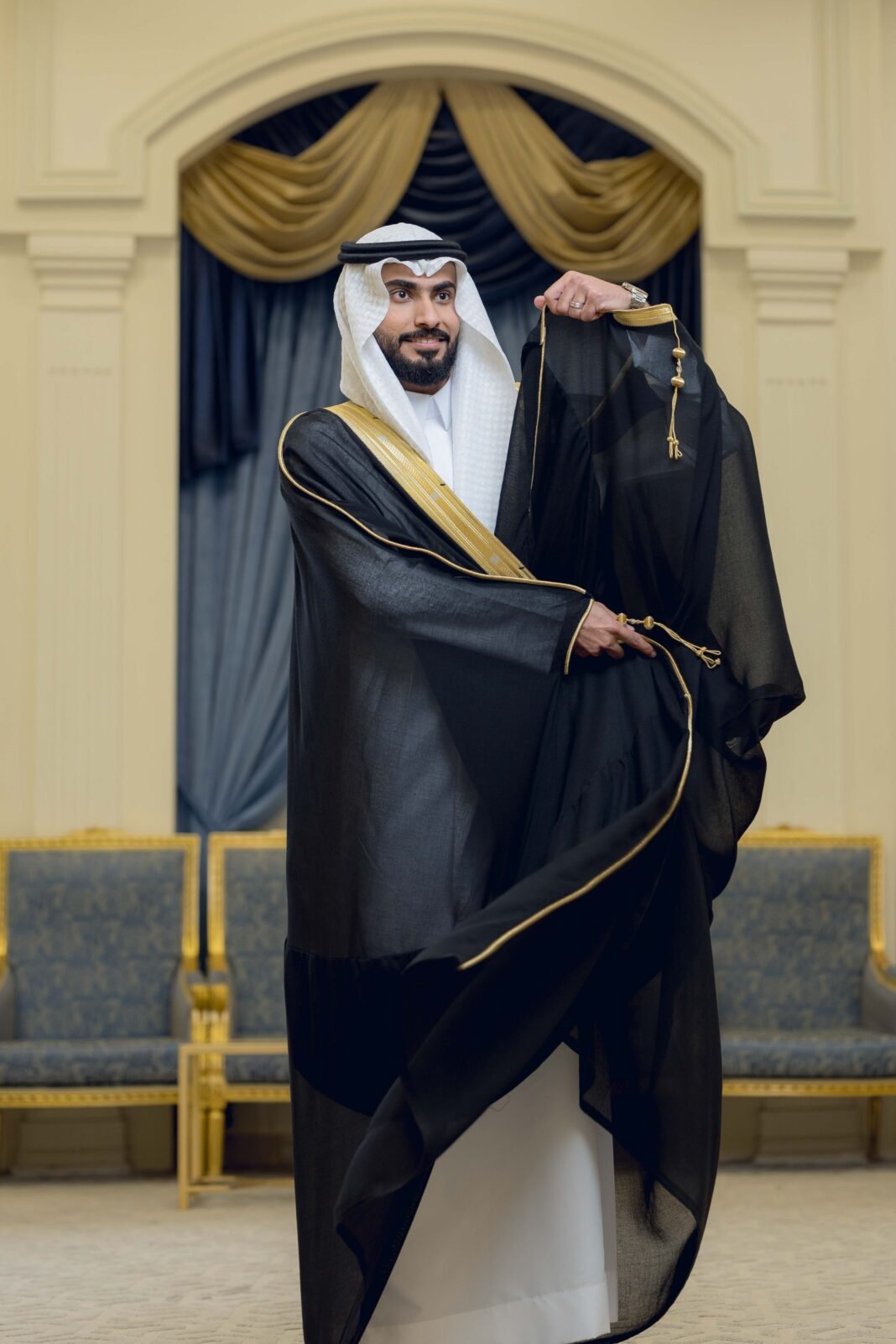
Gulf media is entering a new phase as regional producers focus on reaching larger audiences. The Gulf Cooperation Council Joint Program Production Institution plans to expand content distribution. The institution also wants to develop partnerships with airlines and other organizations. These efforts aim to increase the visibility of Gulf productions across different markets.
Sheikh Mubarak Fahad Al-Jaber Al-Sabah leads the institution as its director general. He emphasized the importance of combining strong production with effective distribution. According to him, quality content needs reliable platforms to reach viewers. Therefore, the institution continues exploring new channels for its programs.
One recent initiative involves the program Duroob Areeka. Kuwait Airways will feature the program through its in-flight entertainment system. The arrangement will give passengers access to Gulf programming during their journeys. Furthermore, the partnership could introduce regional productions to new audiences.
The initiative also creates opportunities for broader cooperation with airlines. The institution plans to explore similar arrangements with other Gulf carriers. Such partnerships could provide additional platforms for regional programs. They could also help producers reach viewers outside their traditional markets.
Sheikh Mubarak described distribution as an essential part of successful media production. Creating a program represents only one stage of the process. Producers must also develop effective strategies for marketing and audience engagement. Consequently, the institution wants to place greater attention on content distribution.
The organization also plans to strengthen relationships with public institutions. At the same time, it wants to expand cooperation with private companies. These partnerships could create new opportunities for promoting Gulf productions. They could also provide additional platforms for reaching international audiences.
Changing viewing habits have encouraged media organizations to rethink distribution strategies. Audiences now consume programs through many different platforms. Therefore, traditional broadcasting alone may not provide sufficient reach. Digital platforms, airline entertainment systems, and other channels can offer additional opportunities.
The institution wants to respond to these changes through broader partnerships. It aims to make Gulf productions easier to access across different markets. Furthermore, wider distribution could increase interest in regional creative work. This approach could strengthen the competitiveness of Gulf content.
Gulf media also reflects the cultural identity shared across GCC countries. Productions can highlight regional stories, traditions, and creative talent. As distribution expands, more international audiences could discover these perspectives. Consequently, broader exposure could support the region’s growing creative industries.
The partnership with Kuwait Airways represents one step in that strategy. Passengers will gain another opportunity to watch Gulf programming during flights. Meanwhile, the institution can use the platform to introduce its productions. This arrangement could encourage similar partnerships in the future.
The institution also sees airlines as important distribution partners. Airlines connect passengers from different countries and regions. Their entertainment systems can therefore provide access to diverse audiences. In addition, airline partnerships can strengthen the international visibility of regional content.
The next phase could bring additional initiatives and commercial partnerships. The institution intends to work with organizations across the Gulf. It also wants to explore cooperation with private-sector businesses. These relationships could support new approaches to content marketing and distribution.
At the same time, the institution wants to maintain high production standards. Audience growth should complement efforts to improve content quality. Therefore, its strategy combines creative development with stronger marketing. This balanced approach could help Gulf productions compete in an increasingly crowded media market.
Technology will also influence the future direction of Gulf broadcasting. New platforms allow producers to connect with viewers more directly. They also provide opportunities to reach audiences beyond geographical boundaries. Consequently, media institutions can use technology to expand their regional and international presence.
The institution’s plans reflect broader changes within the entertainment industry. Viewers increasingly expect flexible access to programs across different platforms. Media producers must therefore consider where audiences spend their viewing time. They must also create distribution strategies that match changing consumer behavior.
The expansion of Gulf media could create benefits for producers and audiences alike. Producers gain additional platforms for showcasing their work. Audiences gain easier access to regional programs and creative projects. Meanwhile, businesses can explore new opportunities within the growing media ecosystem.
Sheikh Mubarak said future initiatives will focus on expanding audience reach. The institution will continue developing partnerships with regional organizations. It will also seek opportunities that can introduce Gulf content to global audiences. These efforts could strengthen the region’s position within the international media landscape.
The latest partnership demonstrates how content distribution can support media growth. A successful production needs both quality and visibility to achieve lasting impact. Therefore, stronger distribution networks will remain important for Gulf producers. Continued cooperation could open new opportunities for regional content.
Gulf media could gain further momentum as institutions develop more distribution partnerships. Airlines, private companies, and public organizations can all provide valuable platforms. Together, these partnerships could help regional productions reach wider audiences. They could also strengthen the commercial potential of Gulf creative content.
The institution now plans to build on its latest initiative. More partnerships could follow as it expands its distribution strategy. The goal remains clear: bring Gulf productions to larger audiences worldwide. That strategy could help regional media gain greater recognition and influence.

