



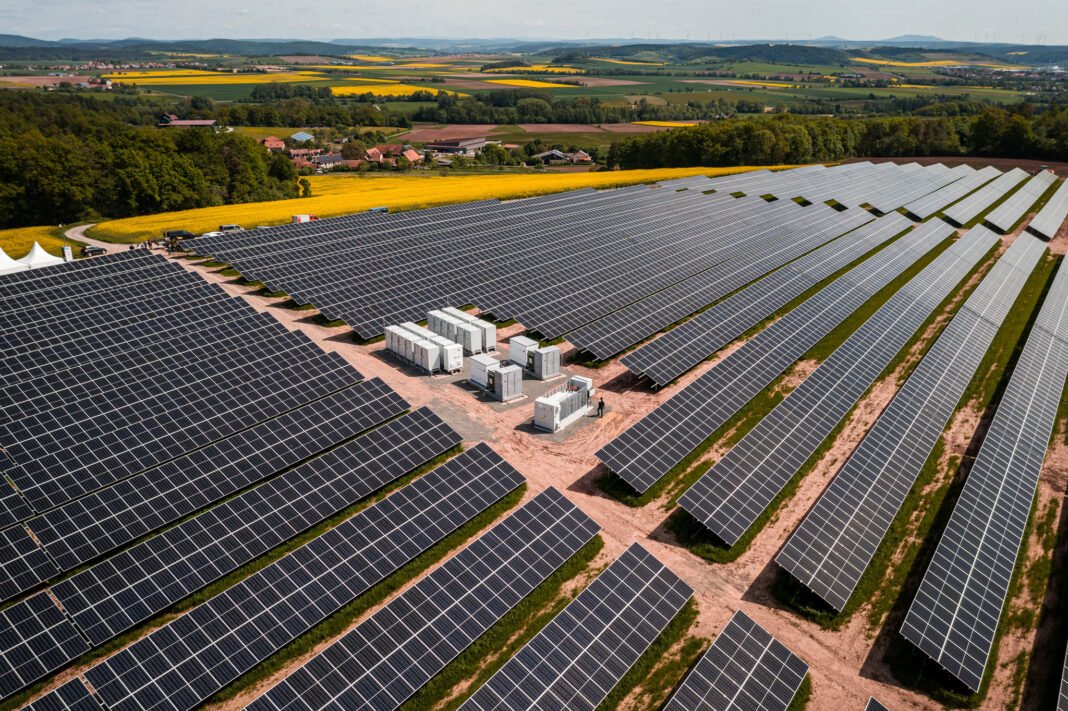
Gulf energy storage is becoming increasingly important as artificial intelligence drives higher electricity demand across the region. Bahrain’s electricity and water minister says storage should become a core part of future energy systems. Meanwhile, Gulf countries face growing pressure to expand generation and strengthen their power networks.
The rapid growth of data centers is adding new demands to electricity grids. At the same time, digital services continue to expand across the Gulf. Therefore, governments must increase generation while maintaining reliable and sustainable power supplies. Energy storage can help utilities manage these changing requirements more effectively.
Yasser bin Ibrahim Humaidan said storage now represents essential infrastructure. He also warned that AI creates an immediate test for regional power systems. According to him, Gulf grids must expand generation, transmission, and flexibility quickly. However, they must also maintain security and sustainability during that expansion.
Large battery systems can support renewable energy by storing electricity when production is high. They can then release that electricity when renewable output falls. As a result, batteries can help balance supply and demand throughout the day. They can also reduce pressure on electricity networks during periods of heavy consumption.
Bahrain and Saudi Arabia have already moved toward combining solar generation with large-scale storage. Bahrain’s state-backed energy group Bapco Energies and Saudi utility Acwa Power agreed to develop such a project. The planned solar facility will operate in Saudi Arabia’s Eastern Province. Electricity from the project should reach a major Bapco electricity load center in Bahrain.
The project highlights the growing importance of regional energy cooperation. Furthermore, cross-border electricity connections could help Gulf countries manage rising demand. The UAE’s energy minister has also called for stronger interconnections between countries and continents.
Gulf states already share access to a regional electricity network. The GCC Interconnection Authority manages the system linking Bahrain, Qatar, Kuwait, Oman, Saudi Arabia, and the UAE. The network is also expanding toward Iraq. However, Gulf countries mainly use the system for emergency support today.
Meanwhile, electricity demand across the Middle East could rise sharply during the next decade. Research estimates suggest demand may increase by 40 percent by 2035. Data centers and digital infrastructure will contribute significantly to that growth. At the same time, regional generation capacity could expand dramatically by 2050.
Gulf countries also plan to increase renewable energy capacity substantially. The six GCC members aim to reach roughly 165 gigawatts of renewable capacity by 2030. So far, they have installed around 24 gigawatts. Therefore, storage will become increasingly important as renewable projects expand.
However, energy storage represents only one part of the region’s power challenge. Utilities also need new generation capacity, stronger transmission networks, and better interconnections. Furthermore, manufacturers must increase production to meet growing equipment demand.
Mitsubishi Power executive Javier Cavada said the industry faces significant supply pressures. He explained that manufacturers cannot expand production instantly. Global demand for gas turbines has increased sharply as countries prepare for higher electricity consumption. Consequently, manufacturers are expanding factories and production capabilities.
AI could create additional pressure because data centers require large amounts of reliable electricity. Unlike some traditional users, data centers often need continuous power throughout the day. Therefore, utilities must prepare systems capable of supporting sustained and rapidly growing loads.
Despite recent regional disruptions, Gulf governments continue advancing major energy projects. Several projects remain scheduled for delivery between 2028 and 2030. Moreover, companies and governments have accelerated commitments to meet future electricity requirements.
The region’s energy strategy therefore combines renewable generation, batteries, gas power, and stronger electricity connections. Each element can support grid reliability as demand increases. In addition, better coordination between Gulf countries could improve how electricity moves across borders.
For Bahrain and its neighbors, the growing AI economy creates both opportunities and challenges. Data centers can support digital growth and attract new investment. However, they also require reliable infrastructure and significant electricity supplies.
As a result, Gulf energy storage will likely become a central part of regional power planning. Governments will need to balance renewable expansion with reliable electricity delivery. At the same time, utilities must prepare for faster growth in digital infrastructure.
The coming decade could therefore reshape Gulf electricity systems. Renewable projects will expand, batteries will become more important, and interconnections may strengthen. Meanwhile, manufacturers will face pressure to supply equipment at a much faster pace.
Ultimately, the region’s ability to meet AI-driven demand will depend on coordinated investment. Stronger grids, flexible generation, and storage can provide greater resilience. With demand expected to rise significantly, Gulf states face increasing pressure to prepare now.

