



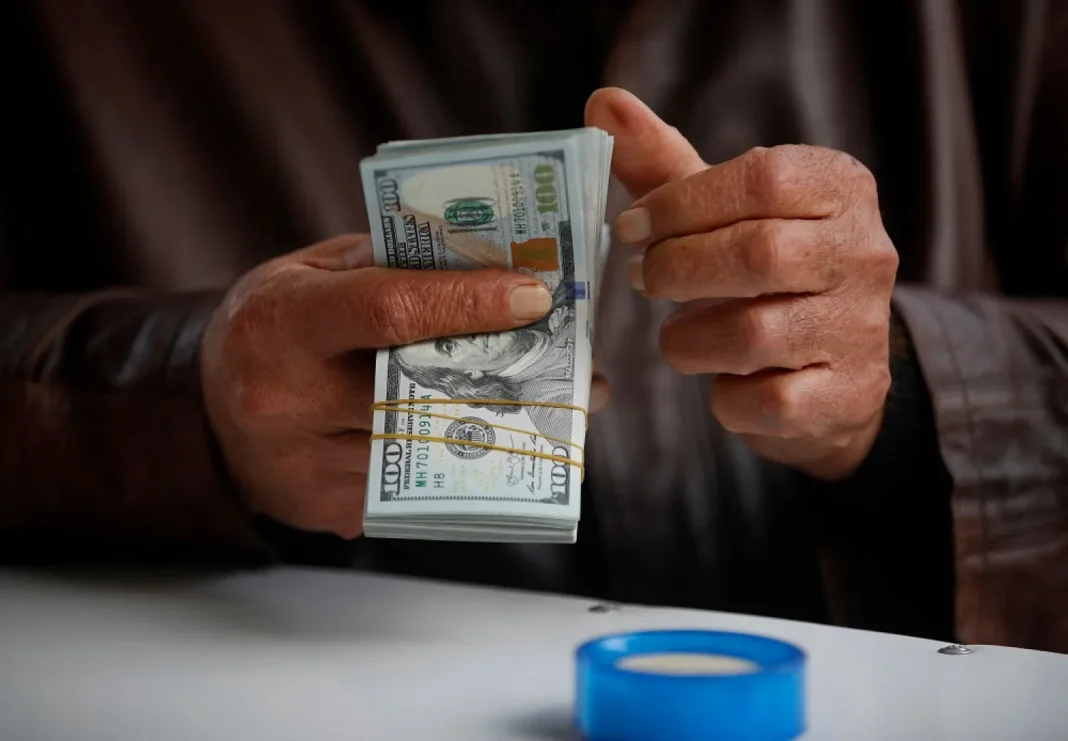
The Iraq dollar exchange rate declined on Thursday as the US currency opened lower in both Baghdad and Erbil markets. The latest movement reflects continued fluctuations in local foreign exchange trading across the country.
According to a market survey, the dollar traded at 155,100 Iraqi dinars per 100 US dollars in Baghdad’s Al-Kifah and Al-Harithiya exchanges. This represented a decline from the previous session, when the exchange rate stood at 156,000 dinars per 100 dollars.
The Iraq dollar exchange rate also declined in local exchange shops across the capital. Currency dealers sold the dollar at 155,500 dinars per 100 dollars. Meanwhile, they purchased the currency at 154,500 dinars per 100 dollars.
In Erbil, foreign exchange markets recorded similar movements. Exchange shops sold the US dollar at 155,150 dinars per 100 dollars. At the same time, they purchased the currency at 155,000 dinars per 100 dollars.
Furthermore, the lower exchange rate indicates improved supply and demand conditions in the local currency market. Currency traders continue monitoring market developments and monetary policies that influence exchange rate movements.
The Iraq dollar exchange rate remains an important indicator for businesses, investors, and consumers. Changes in the value of the US dollar can affect import costs, commodity prices, and overall market activity.
In addition, exchange rate stability supports economic confidence and helps businesses plan financial transactions more effectively. Therefore, market participants closely follow daily currency movements across Iraq.
Meanwhile, the Central Bank of Iraq continues efforts to stabilize the foreign exchange market through monetary policies and currency auction mechanisms. These measures aim to support the Iraqi dinar and reduce excessive market volatility.
Moreover, financial experts believe that stable exchange rates contribute to stronger economic performance and improved investor confidence. They also support trade activities and help maintain predictable pricing conditions.
At the same time, traders remain attentive to developments in regional and international markets. Global economic trends, oil revenues, and domestic financial conditions can all influence currency movements in Iraq.
The recent decline in the dollar’s value may provide some relief for importers and consumers. Lower exchange rates can help reduce the cost of imported goods and ease pressure on local markets.
Looking ahead, traders will continue monitoring currency market developments in Baghdad and Erbil. Future movements will likely depend on local demand, monetary policy decisions, and broader economic conditions.

