



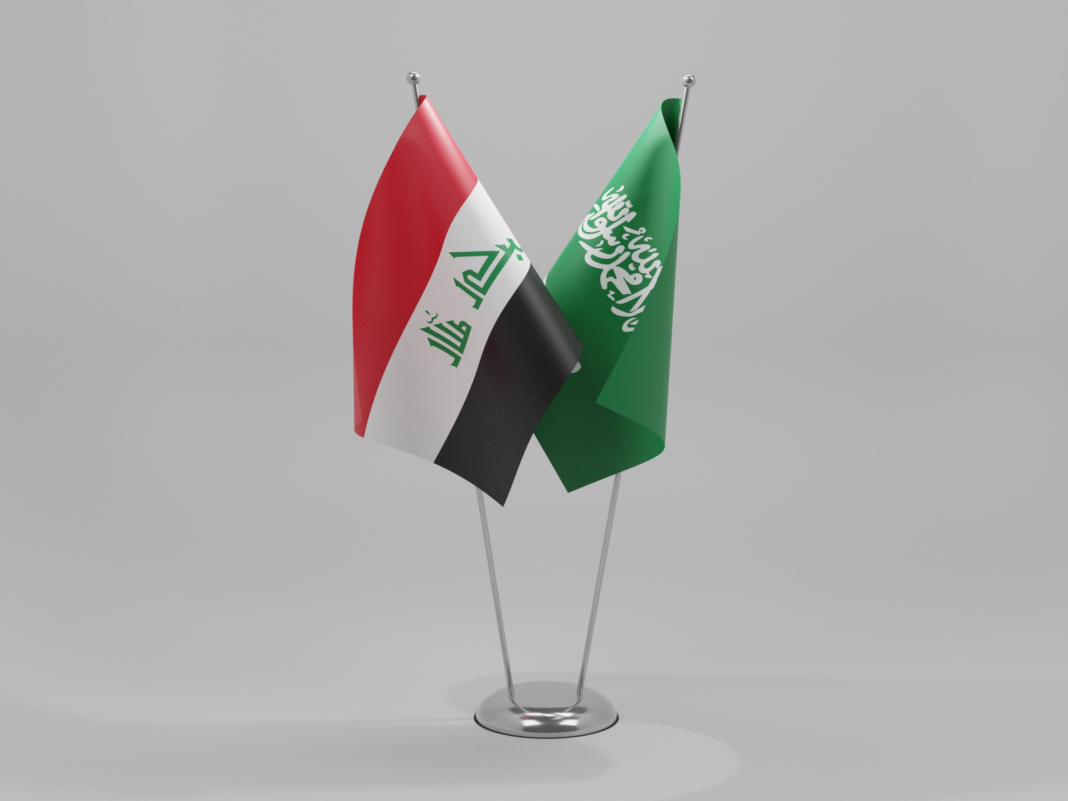
Iraq is boosting its power sector through new Saudi investment from Continuous Nitrogen Services. Officials say this investment aims to improve efficiency and performance at multiple Iraqi power plants. The initiative highlights the growing role of Saudi investment in Iraq’s energy infrastructure.
The memorandum covers key projects, including oil residue treatment at Khayrat power station in Karbala. It also addresses industrial water reuse at Hilla 2, advanced water treatment nationwide, and nitrogen-based pipeline cleaning at Musayyib gas station. These upgrades, supported by Saudi investment, will reduce breakdowns and improve overall reliability.
Iraq’s Electricity Minister Ziad Ali Fadel and Saudi Assistant Minister of Investment Ibrahim bin Youssef Al-Mubarak signed the memorandum. Senior officials from both countries attended the ceremony, underscoring the importance of this expenditure in strengthening bilateral cooperation and supporting Iraq’s power sector.
Saudi firms have steadily increased their presence in Iraq’s industrial and power projects. Analysts say this investment shows Riyadh’s commitment to supporting Iraq’s modernization efforts. Through knowledge sharing and technical expertise, this investment helps Iraq adopt innovative solutions in its electricity sector.
The deal will enable Iraq to enhance operational efficiency and address growing electricity demand. By implementing technology-driven upgrades and process improvements, this Saudi investment will strengthen energy reliability and sector sustainability. Officials emphasized that these collaborative efforts create long-term benefits for Iraq.
Furthermore, the agreement is expected to attract additional foreign investment in Iraq’s electricity industry. Experts predict similar initiatives will support infrastructure modernization, improve service quality, and foster economic growth. These investments in Iraq also align with broader regional efforts to secure energy efficiency.
The memorandum underscores the strategic value of Saudi investment in Iraq’s economic development. Through targeted collaboration, both nations aim to strengthen operational capabilities, expand industrial infrastructure, and enhance regional energy cooperation. This investment is likely to serve as a model for future international projects in Iraq.