



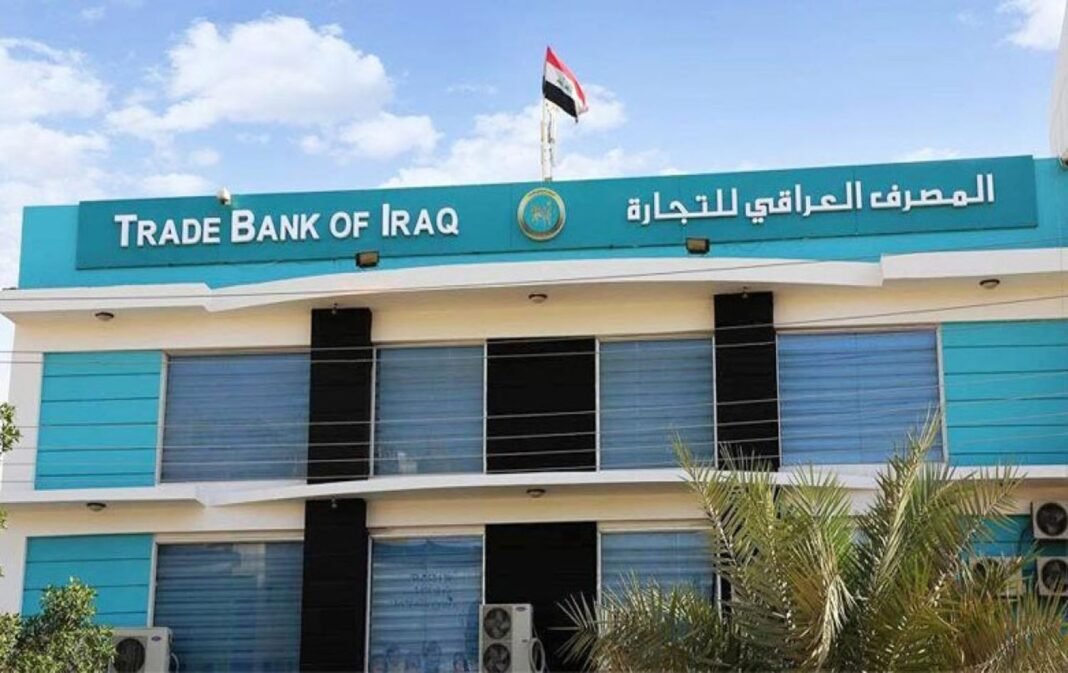
Iraq banking reforms are pushing financial institutions toward traditional lending and greater integration with global financial networks. The changes aim to strengthen compliance across the country’s banking sector. They also seek to reduce reliance on currency trading and informal financial activity.
Iraq’s central bank has accelerated efforts to improve banking supervision. The reforms also focus on creating stronger connections with international financial institutions. This shift comes as Iraq seeks to balance regional relationships with access to global financial markets.
For years, some Iraqi banks relied heavily on foreign currency transactions. However, tighter international requirements have made that business model increasingly difficult. US authorities have also restricted several Iraqi lenders from accessing dollar transactions. Concerns about money laundering and currency smuggling contributed to those restrictions.
Consequently, Iraqi banks now face greater pressure to demonstrate strong compliance. They must also improve governance and establish credible relationships with international correspondent banks. These requirements are encouraging financial institutions to reconsider how they operate and generate revenue.
The central bank began major reforms in 2022. It launched a second phase of the programme in May. The latest phase introduces stricter requirements for international transactions and requires banks to provide more complete information about transfers between Iraqi and foreign institutions.
Previously, authorities had less visibility into the full transaction chain. The updated system provides greater transparency throughout international payments. This could help reduce financial risks while improving confidence among international banks and investors.
Digital payments are also becoming increasingly common across Iraq. More supermarkets now accept card payments from customers. In addition, some government services require electronic payments. These developments create clearer records for financial transactions and help expand formal banking activity.
As a result, banks can build stronger audit trails while customers gain greater access to formal financial services. Greater use of electronic payments could also reduce reliance on cash and informal financial channels.
The reforms have already produced some measurable progress. Several restricted banks may return to selected international correspondent channels. However, those institutions must first meet additional compliance and governance requirements. Dollar access could follow if they satisfy the necessary standards.
The changes could eventually strengthen Iraq’s ability to participate in international trade. Better banking connections can make cross-border transactions easier for businesses. They could also support foreign investment and reduce dependence on informal financial channels.
However, significant challenges remain. Some private banks still depend heavily on foreign currency activities. Others have relied on political connections instead of traditional financial services. That approach has become harder to maintain as oversight increases.
Banks now face pressure to attract deposits and provide more loans. They must also improve internal governance and risk management. These changes could encourage lenders to support businesses more directly. Increased lending could help finance investment and economic activity.
At the same time, stricter supervision may create a divide between financial institutions. Banks that meet international standards could gain greater access to global markets. Other lenders may struggle to adapt to the new requirements.
This could create two distinct segments within Iraq’s banking industry. Stronger institutions may expand their services as weaker lenders face greater pressure. The result could be a more competitive banking sector focused increasingly on formal financial services.
Iraqi banking reforms could therefore reshape competition across the financial sector. Stronger banks may have greater opportunities to develop lending products and attract customers. Meanwhile, institutions that fail to meet new standards could face increasing limitations.
The reforms also have broader political and economic implications. Iraq wants to maintain important regional relationships while strengthening links with global financial systems. That balancing act could influence the pace and direction of future reforms.
Consistent enforcement will also remain essential for long-term progress. Rules must apply consistently across banks rather than selectively. Strong implementation could help improve confidence in Iraq’s financial system and strengthen relationships with international institutions.
Iraqi banking reforms could ultimately transform how lenders generate revenue. Instead of depending heavily on currency trading, banks could focus more on loans, deposits, payments, and other financial services. This transition may take time because many institutions require significant operational changes.
However, stronger compliance could create a more stable banking environment. A stronger financial system could also improve access to funding for Iraqi businesses. This would give banks a greater role in supporting private-sector development and economic diversification.
The reforms also offer opportunities for regional investors. A more transparent banking sector could attract new capital and partnerships. International connections could further support trade, investment, and financial cooperation.
Overall, Iraq’s banking industry stands at an important turning point. Stronger supervision, digital payments, and international compliance requirements are changing how financial institutions operate.
Iraqi banking reforms could help reconnect the sector with international markets. They could also encourage banks to play a larger role in financing Iraq’s private economy. If implementation continues consistently, the reforms could support a more transparent, competitive, and internationally connected banking sector.

