



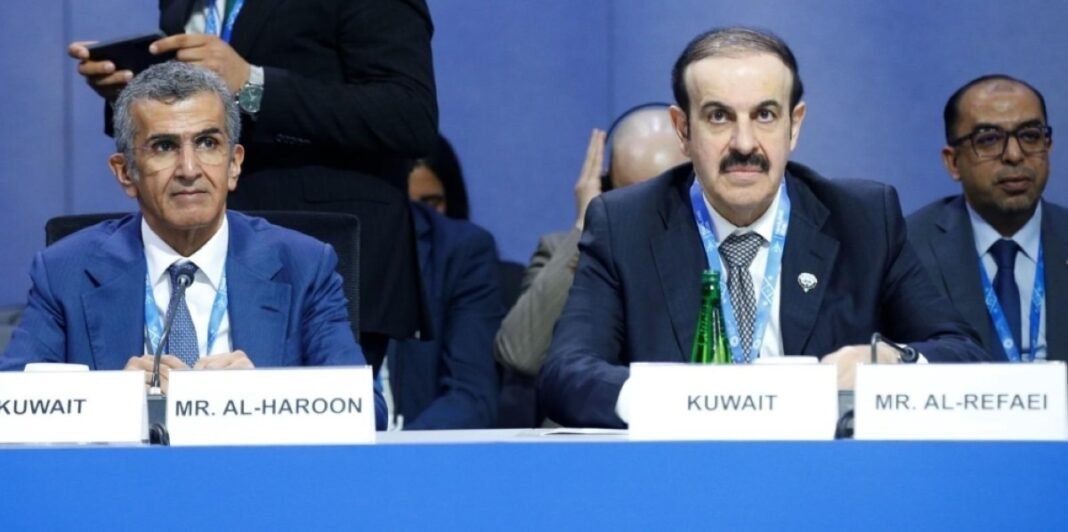
Kuwait raised $3.25 billion from a two-tranche international bond issue dated October 19, the Ministry of Finance said on Tuesday, citing strong demand from global investors.
The offering comprised $2.25 billion of three-year bonds priced at 75 basis points over US Treasury yields and $1 billion of 10-year bonds priced at 105 basis points over Treasuries, according to the ministry statement carried by the state news agency KUNA and reported by Kuwait Times.
Total orders peaked at $9.1 billion, about 2.8 times the size of the issue, the ministry said.
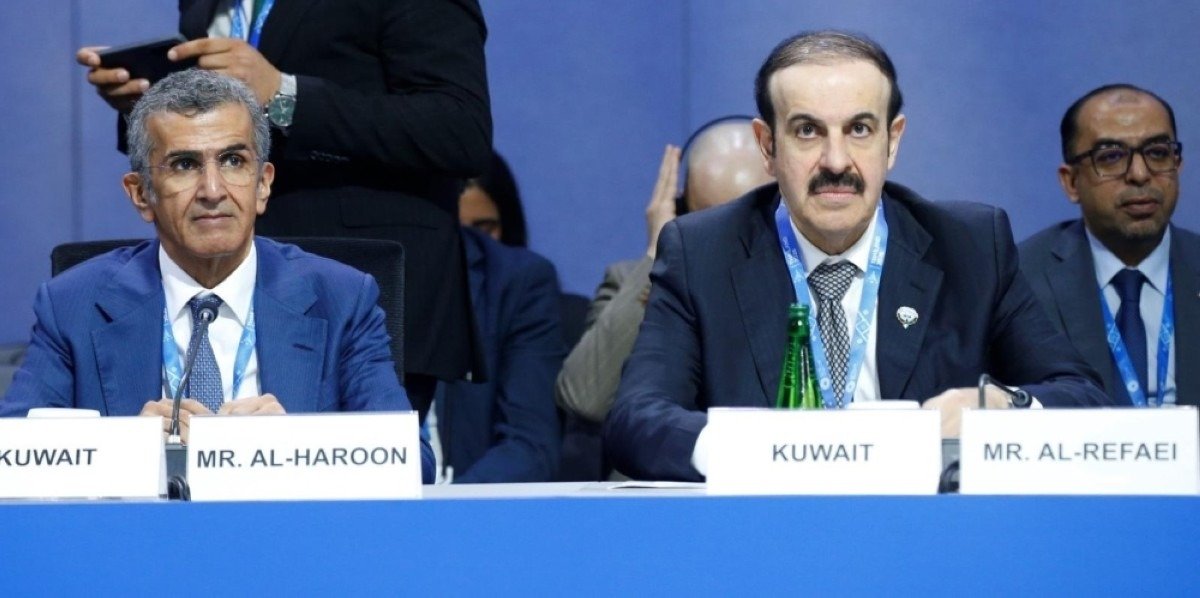
Minister of Finance Yaqoub Al-Refai said the result reflected international investors’ confidence in Kuwait and the strength of its economic and financial fundamentals.
Asset managers took 39% of the bonds, banks 31% and institutions and central banks 15%. Hedge funds were allocated 8%, insurance and pension funds 6% and other investors 1%.
By region, investors in the United Kingdom and Europe received 36% of the allocation, the Americas 23% and the Middle East and North Africa 19%. Asia took 12% and other international markets 10%.
Al-Refai said last week, at the annual meetings of the International Monetary Fund and World Bank in Bangkok, that strong financial reserves had helped Kuwait withstand exceptional economic challenges, and he cited risks from disruptions in the Strait of Hormuz.