
Rabigh Refining and Petrochemical Company (Petro Rabigh) reported net profit of SR2.57 billion for the third quarter of 2026, compared with a net loss of SR1.24 billion a year earlier.
Quarterly revenue rose 83% to SR16.82 billion from SR9.2 billion, according to the company’s results as compiled by Argaam.
Profit fell 3.2% from SR2.66 billion in the second quarter, while revenue dropped 17.4% from SR20.37 billion.
For the nine months to September 30, Petro Rabigh earned SR6.7 billion, reversing a loss of SR3.29 billion a year earlier. Revenue more than doubled to SR52.03 billion from SR24.36 billion.
The company attributed the turnaround mainly to higher sales volumes and average selling prices for refined and petrochemical products, higher plant operating rates and better refining margins.
Volumes in the year-earlier period were reduced by a scheduled maintenance shutdown across the complex that lasted about 60 days. Finance costs fell after the early repayment of some long-term loans and lower benchmark interest rates.
Shareholders’ equity reached SR19.72 billion at September 30, up from SR8.38 billion a year earlier.
Chief Financial Officer Fahad Almuhaisin told Argaam the third-quarter result was the second-highest quarterly profit in the company’s history. He said operations, supply chains and feedstock supplies had remained stable despite regional tensions, though Red Sea disruption raised shipping and insurance costs.
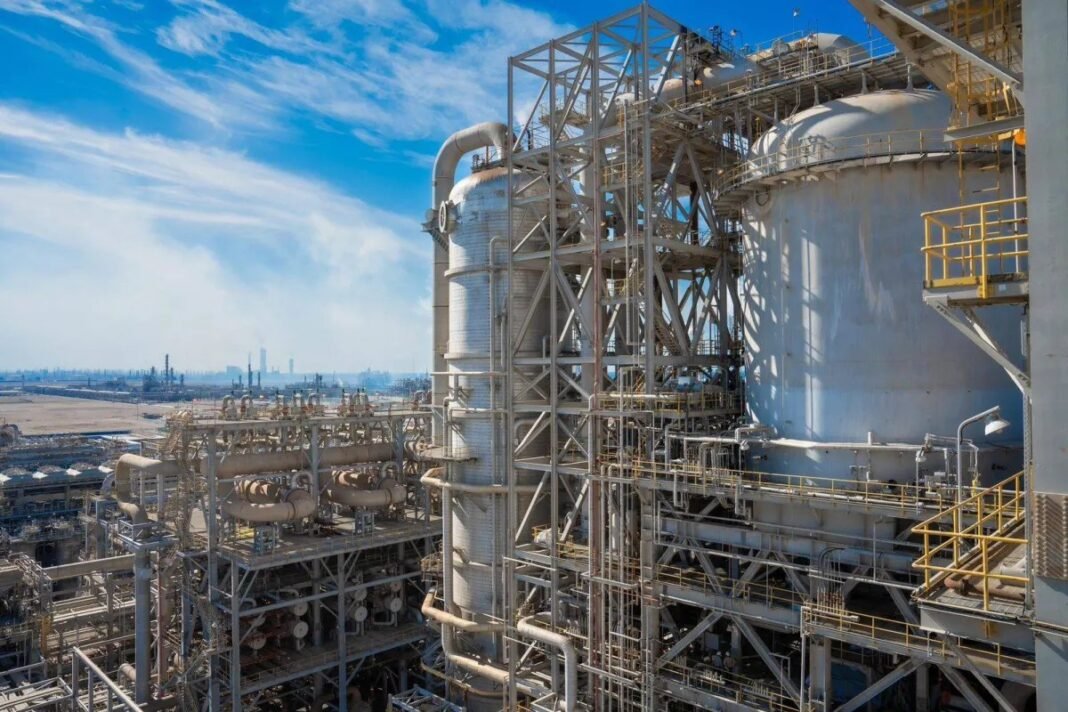
Petro Rabigh, based on Saudi Arabia’s Red Sea coast, is majority owned by Saudi Aramco.