



Qatar LNG exports face new challenges as disruptions expose risks around concentrated domestic production. Therefore, Qatar could expand its global trading activities.
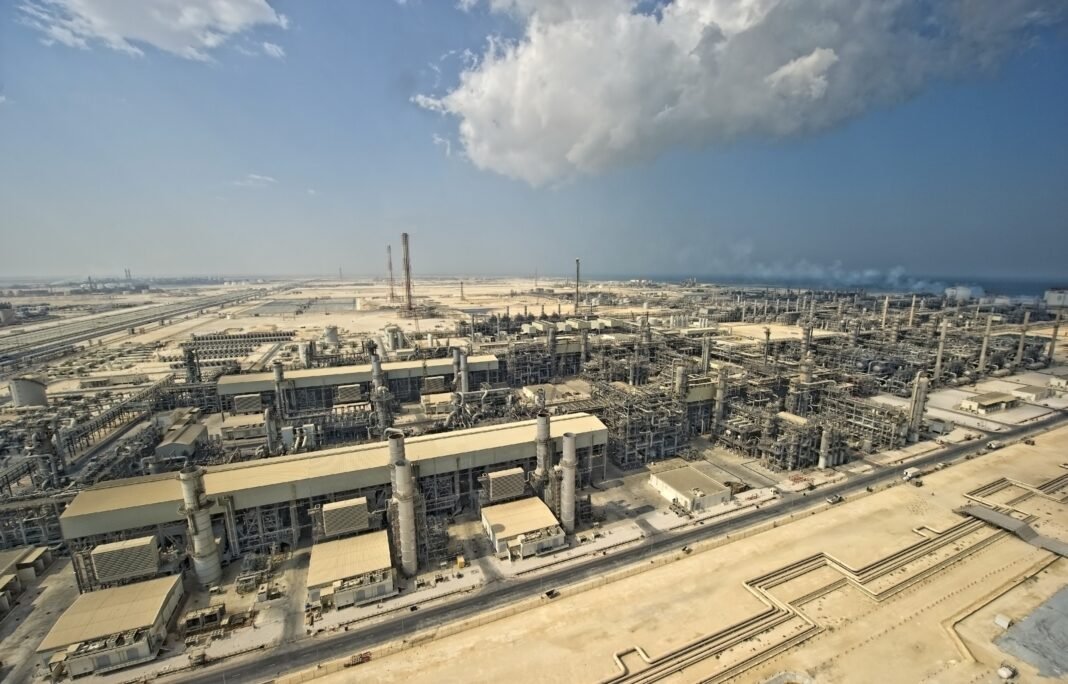
Recent attacks damaged important energy infrastructure around Ras Laffan Industrial City. Consequently, Qatar’s LNG export capacity fell by roughly 17 percent.
The reduction equals about 12.8 million tonnes of annual LNG capacity. Qatar then invoked force majeure on several gas supply agreements.
The disruption created an immediate challenge for one of the world’s largest LNG exporters. However, Qatar moved quickly to protect relationships with international customers.
QatarEnergy purchased LNG cargoes from international markets to maintain deliveries. The company spent roughly $1 billion on replacement cargoes during the crisis.
Most purchased cargoes came from US export facilities. These shipments reached customers across several major Asian markets.
Japan, South Korea, India, Bangladesh, and Taiwan received replacement LNG cargoes. Therefore, international trading helped Qatar maintain supplies during production disruptions.
The strategy highlights a potential shift in Qatar’s energy business model. Qatar could become a larger global LNG portfolio trader.
Such a strategy would reduce Qatar’s dependence on gas produced within its borders. It would also provide greater flexibility during unexpected production problems.
QatarEnergy could secure additional LNG through overseas investments and long-term supply agreements. The company could also acquire interests in international production projects.
Furthermore, Qatar could maintain larger inventories of tradable LNG cargoes. These resources could help the country respond quickly during future supply disruptions.
This approach could strengthen customer relationships over the long term. Buyers would continue receiving supplies even when Qatari production faces temporary difficulties.
The strategy could also protect Qatar against changing purchasing patterns among major Asian buyers. Customers increasingly have access to LNG from multiple international suppliers.
India, South Korea, and China already have several ways to manage supply shortages. These options include alternative suppliers, inventories, domestic production, and pipeline imports.
China can also redirect LNG cargoes when market conditions change. Consequently, buyers may become less dependent on any single exporter.
That trend creates a significant strategic concern for Qatar. Prolonged disruptions could encourage customers to diversify their long-term energy portfolios.
The immediate financial impact also remains substantial. Qatar could face annual revenue losses of roughly $20 billion during prolonged disruptions.
A three-year disruption could therefore create a potential $60 billion gross revenue shortfall. Additional repair costs could increase the overall financial burden.
Replacement LNG purchases could also raise expenses during periods of constrained domestic production. Meanwhile, financing costs could increase if uncertainty continues.
Higher global LNG prices might offset some losses. Nevertheless, Qatar could still face a substantial reduction in revenue.
More importantly, Qatar risks losing future market opportunities. Existing long-term contracts may protect current relationships for several years.
However, customers could become more cautious when negotiating future agreements. They may also request greater flexibility within new contracts.
That could reduce Qatar’s ability to capture incremental demand. Therefore, the long-term impact could extend beyond the current production disruption.
Qatar’s expansion plans make this issue even more important. The country expects significant growth in LNG production through its North Field developments.
The planned expansion aims to increase Qatar’s production capacity substantially. Consequently, Qatar needs reliable access to international customers for its future output.
If buyers view Qatari supplies as carrying higher geopolitical risks, demand could change. Customers may seek alternative sources for additional volumes.
That situation could reduce the economic benefits of Qatar’s planned production expansion. Therefore, international trading could provide an important strategic advantage.
Qatar LNG operations could become more resilient through a broader global portfolio. Overseas production stakes could provide additional physical supply during domestic disruptions.
Meanwhile, trading contracts could offer greater flexibility across different markets. Qatar could redirect available cargoes according to customer needs and market conditions.
This model would also strengthen QatarEnergy’s international presence. It could transform the company from a major producer into a broader LNG portfolio manager.
Such diversification would not eliminate geopolitical risks completely. However, it could reduce the consequences of disruptions affecting domestic infrastructure.
The current crisis has therefore highlighted the importance of supply flexibility. Qatar’s financial strength provides significant protection against short-term market shocks.
However, financial reserves cannot fully replace reliable production and distribution networks. The country must also protect its long-term position among global LNG buyers.
Qatar LNG remains central to the country’s economic strategy. Therefore, expanding international trading could help secure future revenues.
The approach could also reassure customers during periods of market uncertainty. More importantly, it could prevent temporary disruptions from becoming permanent market losses.
As global LNG competition increases, Qatar may need greater flexibility. A larger international portfolio could provide that flexibility while supporting future growth.
Ultimately, Qatar’s next challenge involves more than restoring damaged infrastructure. The country must also strengthen its ability to supply customers from multiple sources.

