


Saudi Arabia and Kuwait are pushing ahead with major energy projects despite the ongoing regional conflict. The Middle East war has targeted oil and gas infrastructure, yet both countries remain committed to their plans.
Kuwait Petroleum Corp. plans to lease part of its extensive pipeline network. Prominent private equity and infrastructure investors have expressed interest in participating. Energy deals underway show that international partners trust the Gulf’s long-term stability. Companies continue negotiations while carefully monitoring geopolitical developments.
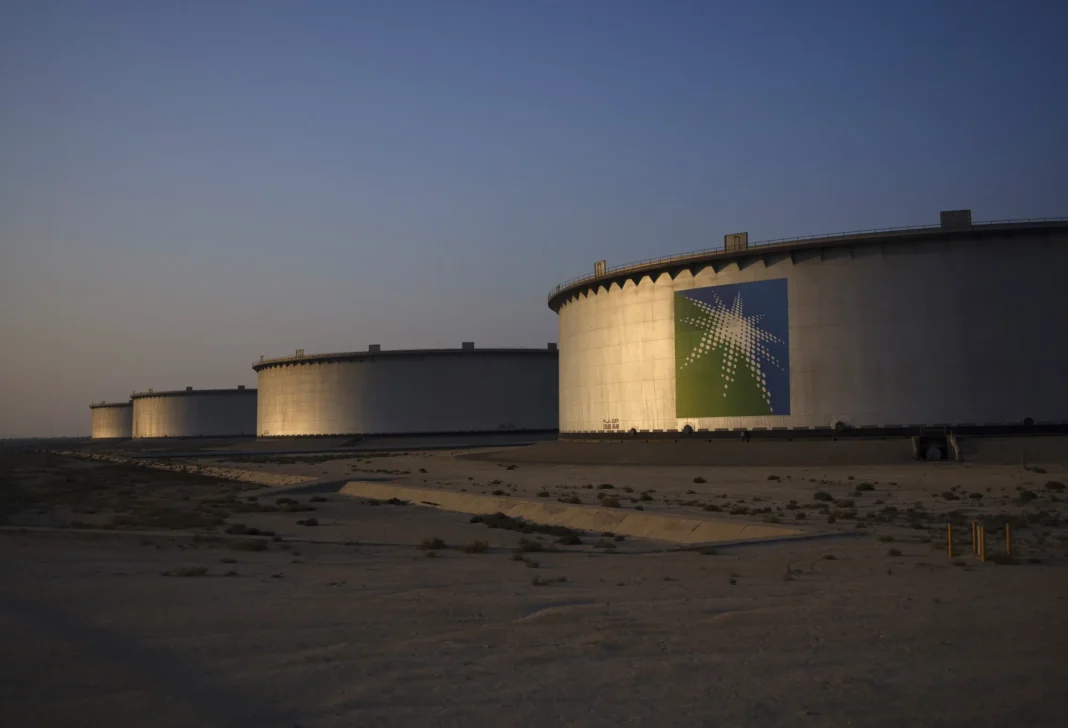
Meanwhile, Saudi Aramco plans to launch a process to attract funding for energy expansion. Officials stress that these projects strengthen both national energy security and economic growth. Energy deals underway reflect the countries’ commitment to development despite regional uncertainty.
Analysts say continuing these projects sends a strong signal to global markets. Investors gain confidence as Saudi Arabia and Kuwait prioritize energy infrastructure, supporting global oil and gas supply chains. These efforts also show the resilience of Gulf economies amid heightened tensions with Iran.
The region’s energy sector has experienced disruptions, but both governments are maintaining stability and continuity. Kuwait’s pipeline leasing initiative could unlock billions in investment, while Aramco’s expansion plans aim to secure long-term production capacity. Both projects use risk mitigation strategies to protect investors and assets.
Experts highlight that these energy deals serve as more than financial transactions—they show confidence in the Gulf’s crisis management. Observers expect successful execution will attract additional foreign investment in energy infrastructure despite geopolitical challenges.
Officials maintain flexible project timelines to adapt to the security situation. They coordinate with international partners to ensure operational continuity and safety. Energy deals underway include contingencies that protect both resources and investors.
Kuwait and Saudi Arabia demonstrate that strategic energy planning continues even during volatile periods. Analysts believe decisive action can stabilize regional markets and reinforce investor confidence in Gulf energy sectors.
Energy deals underway illustrate the Gulf’s strategic role in global energy supply. Both governments are pursuing growth while managing risks, keeping the region’s energy infrastructure on track.
Saudi Arabia and Kuwait are pushing ahead with major energy projects despite the ongoing regional conflict. The Middle East war has targeted oil and gas infrastructure, yet both countries remain committed to their plans.
Kuwait Petroleum Corp. plans to lease part of its extensive pipeline network. Prominent private equity and infrastructure investors have expressed interest in participating. Energy deals underway show that international partners trust the Gulf’s long-term stability. Companies continue negotiations while carefully monitoring geopolitical developments.
Meanwhile, Saudi Aramco plans to launch a process to attract funding for energy expansion. Officials stress that these projects strengthen both national energy security and economic growth. Energy deals underway reflect the countries’ commitment to development despite regional uncertainty.
Analysts say continuing these projects sends a strong signal to global markets. Investors gain confidence as Saudi Arabia and Kuwait prioritize energy infrastructure, supporting global oil and gas supply chains. These efforts also show the resilience of Gulf economies amid heightened tensions with Iran.
The region’s energy sector has experienced disruptions, but both governments are maintaining stability and continuity. Kuwait’s pipeline leasing initiative could unlock billions in investment, while Aramco’s expansion plans aim to secure long-term production capacity. Both projects use risk mitigation strategies to protect investors and assets.
Experts highlight that these energy deals serve as more than financial transactions—they show confidence in the Gulf’s crisis management. Observers expect successful execution will attract additional foreign investment in energy infrastructure despite geopolitical challenges.
Officials maintain flexible project timelines to adapt to the security situation. They coordinate with international partners to ensure operational continuity and safety. Energy deals underway include contingencies that protect both resources and investors.
Kuwait and Saudi Arabia demonstrate that strategic energy planning continues even during volatile periods. Analysts believe decisive action can stabilize regional markets and reinforce investor confidence in Gulf energy sectors.
Energy deals underway illustrate the Gulf’s strategic role in global energy supply. Both governments are pursuing growth while managing risks, keeping the region’s energy infrastructure on track.