


Erbil, Iraq – January 12, 2026 – The Erbil authorities have canceled the Syrian Products Fair, scheduled for January 26, at the Erbil International Fairground. The decision comes amid escalating violence in Aleppo, as public safety became the top priority. Governor Omed Xoshnaw said that attacks on Aleppo’s Kurdish-majority neighborhoods directly influenced the cancellation.
Recent clashes in Ashrafiyeh and Sheikh Maqsood killed dozens, injured many, and displaced tens of thousands. Consequently, officials emphasized that safety must guide all decisions regarding public events. They stressed that the fair could not proceed while risks to exhibitors and visitors remained high.
The Syrian exhibition faced earlier challenges as well. Initially, organizers excluded the Kurdistan flag from promotional materials, prompting authorities to suspend the event. Although the oversight was later corrected, the current violence made holding the fair impossible.
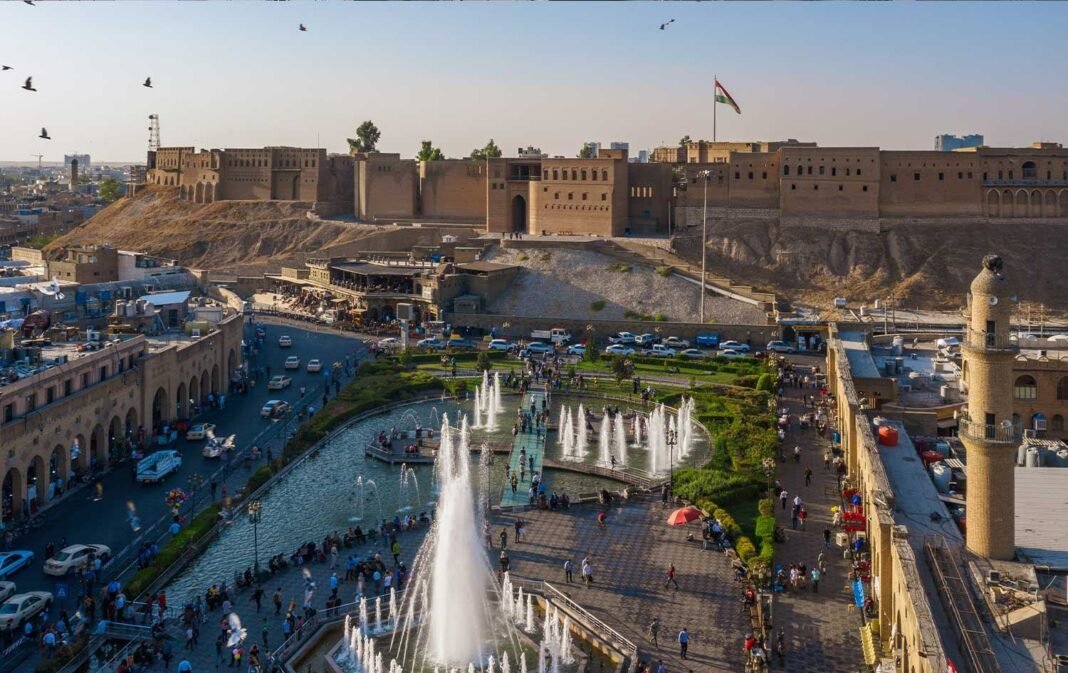
On December 30, Syria’s fair affairs body posted promotional material showing the Erbil Citadel with Iraqi and Syrian flags but excluded the Kurdistan flag and region’s name. This angered local authorities, who demanded corrections. Even after updates, security concerns ultimately outweighed commercial interests.
Authorities also considered broader political and military tensions in northern Syria. Activities by the Syrian Arab Army and affiliated armed groups created an unstable environment, posing potential threats to participants. As a result, officials concluded that cancellation was necessary.
Governor Xoshnaw and the Kurdistan Region Investment Board highlighted that organizers must prioritize safety above economic gains. They reinforced that protecting citizens while promoting trade and investment remains the Kurdistan Region’s key responsibility.
This decision illustrates the difficulties of hosting cross-border events amid regional instability. Nevertheless, authorities indicated plans to reschedule exhibitions once conditions improve, allowing participants to attend safely.
By prioritizing security, the Kurdistan Region demonstrates how responsible planning can balance economic activity with citizen protection. Officials emphasized that safety and stability remain essential for sustainable trade engagement.