



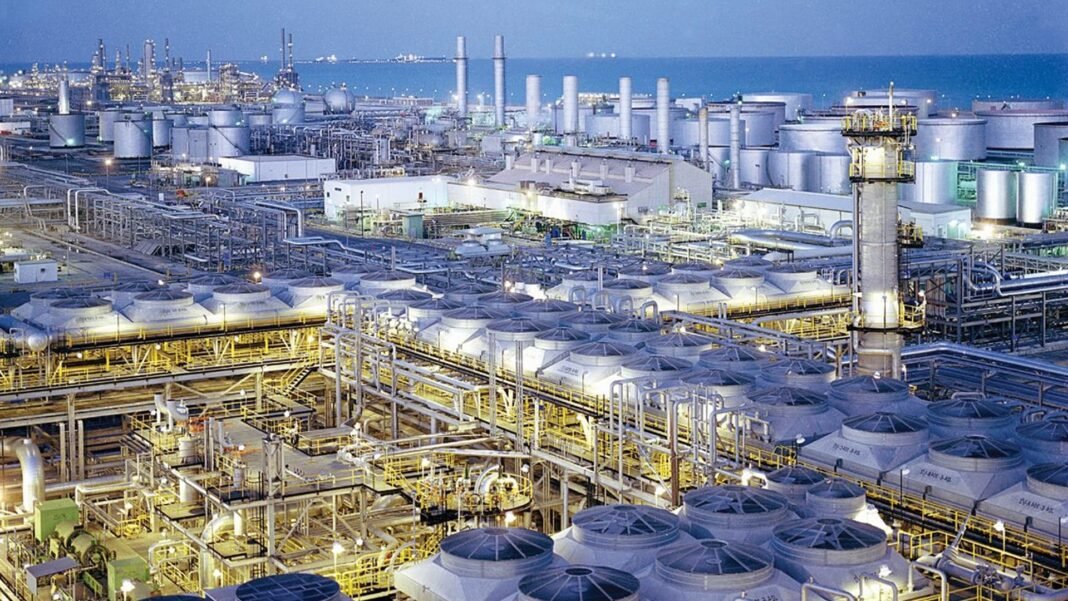
Oil rally concerns grew on Tuesday after attacks targeted several Saudi energy facilities in the southern region. Oil prices climbed as the attacks raised fresh concerns about disruptions across the global energy market. Brent crude futures gained nearly 2 percent during early trading. The contract reached $98.74 per barrel by 06:30 GMT. Meanwhile, US West Texas Intermediate crude advanced almost 3 percent. WTI traded around $94.12 per barrel during the same period.
The latest gains pushed Brent prices to their highest level since July. Investors continued watching developments across the Middle East closely. Saudi authorities confirmed that several energy facilities came under attack early Tuesday morning. The attacks reportedly caused fires at multiple locations. Consequently, some operations faced temporary suspensions while emergency teams responded to the incidents. Teams focused on controlling the fires and securing the affected facilities. Authorities also began assessing potential damage across the targeted sites.
The attacks affected several locations across southern Saudi Arabia. These locations included Abha, Khamis Mushait, Jazan, and Najran. Authorities confirmed that 73 civilians suffered injuries during the attacks. The incidents have added another layer of uncertainty to an already tense regional energy market. Traders now face growing concerns about potential supply interruptions. At the same time, geopolitical risks continue supporting higher oil prices. Markets remain particularly sensitive to threats against major energy infrastructure.
Iranian officials also issued warnings that could increase pressure on regional energy markets. Iran’s parliament speaker warned of retaliation against US energy facilities. He said Tehran could target American energy assets if Washington attacked Iranian oil and gas facilities. His warning added to concerns about further regional escalation. The comments followed recent military activity involving oil tankers and the Strait of Hormuz. The strategic waterway remains critical for international energy shipments.
US forces recently struck three Iranian oil tankers. The action followed attacks by Iran’s Islamic Revolutionary Guard Corps Navy against tankers. As a result, traders continue monitoring shipping activity around the Strait of Hormuz. Any prolonged disruption could create additional pressure on global oil supplies. Meanwhile, Iraq continues working to protect its oil export capacity amid the regional crisis. The country aims to restore exports to 3.4 million barrels daily.
Officials said Iraq could rely on neighboring regions to help maintain its export targets. Before the conflict, most Iraqi oil exports traveled through Hormuz. Estimates indicate that between 80 and 85 percent of Iraq’s exports used the waterway. Therefore, continued disruption could create significant challenges for Iraqi energy revenues. Meanwhile, financial institutions have raised their expectations for future oil prices.
Goldman Sachs increased its 2027 Brent forecast by $5. The bank now expects Brent to average around $80 per barrel in its base-case scenario. It also raised its WTI forecast to $75. The forecasts assume that Middle East shipping disruptions could continue into 2027. However, a larger supply shortage could push prices substantially higher. Under a scenario involving a four-million-barrel daily supply deficit, prices could exceed $120.
Such a development would significantly increase costs for consumers and businesses. Shipping activity through the Strait of Hormuz also remains closely watched. Seven vessels crossed the waterway on Monday. That figure fell from eight vessels recorded the previous day. Lower traffic levels highlight the continued uncertainty surrounding regional shipping routes. The situation has also affected financial markets across the Gulf.
Regional stock exchanges ended Monday’s trading session with mixed results. Saudi Arabia’s benchmark index declined 0.4 percent. In contrast, Dubai’s main index gained 0.8 percent. Abu Dhabi’s benchmark index finished the session broadly unchanged. Investors continue balancing economic opportunities against rising geopolitical risks. For now, the Oil rally reflects growing concerns about supply security and regional instability. Further attacks could increase pressure on prices in coming sessions.
However, market conditions could change quickly if tensions ease. Traders will therefore continue watching energy facilities, shipping routes, and diplomatic developments. The direction of oil prices will likely depend on the scale of future disruptions. Meanwhile, energy markets remain highly sensitive to developments across Saudi Arabia and the wider Gulf region.