


Qatar recovery is gaining support as concerns about further LNG disruptions begin to ease. Fitch Ratings has removed Qatar from its negative rating watch. The agency believes risks to the country’s LNG facilities have declined. However, major challenges remain because exports through the Strait of Hormuz face disruption.
Fitch expects Qatar to regain stronger economic momentum as LNG exports gradually recover. The agency believes a peace agreement could support renewed shipments. It expects export activity through the strait to improve during early 2027. Nevertheless, the recovery will depend on security conditions and infrastructure repairs.
The disruption has severely affected Qatar’s ability to ship liquefied natural gas. Only a limited number of LNG cargoes have crossed the Strait of Hormuz. Consequently, Qatar faces lower production and weaker export revenues this year. The country also expects a lengthy repair process for damaged facilities.
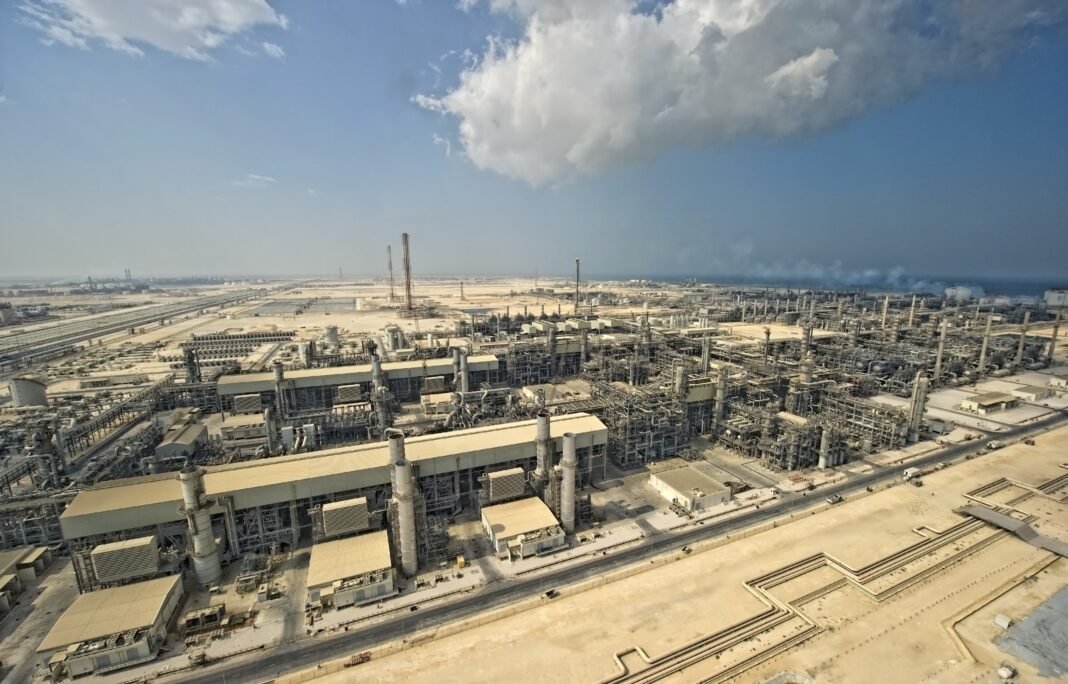
An attack in March damaged part of Qatar’s major LNG infrastructure. The damage reduced around 17 percent of the affected production capacity. Ras Laffan remains one of the world’s largest LNG export centers. Therefore, repairs will play an important role in Qatar’s future production levels.
Fitch expects Qatar to need about six months to restore most pre-war production. However, that estimate excludes the capacity already damaged during the March attack. Repairs to the damaged facilities could take several years. As a result, full production recovery may take considerably longer.
Despite these challenges, Fitch continues to maintain Qatar’s strong credit position. The agency affirmed the country’s long-term issuer default rating at AA. However, it kept a negative outlook on the rating. That outlook reflects continued risks surrounding the conflict and LNG exports.
Fitch also expects Qatar’s economy to contract sharply during 2026. Lower LNG production will remain the main factor behind that decline. The agency forecasts an economic contraction of 19 percent this year. Nevertheless, it expects growth to return strongly once LNG flows improve.
The outlook becomes more positive as Qatar expands production from the North Field. The expansion should provide additional LNG output in future years. Therefore, stronger production could help offset some current losses. Fitch expects economic growth to reach double digits in 2028.
Qatar also faces pressure on its public finances this year. Fitch forecasts a fiscal deficit equal to 2.7 percent of GDP. However, several factors could help limit the financial impact. Support from the sovereign wealth fund remains one important factor.
The opening of a major LNG facility in the United States could also provide support. QatarEnergy holds a 70 percent stake in that facility. Consequently, overseas LNG interests can provide additional income during a difficult period. These investments could help strengthen Qatar’s financial position.
Meanwhile, Qatar’s economy has already shown signs of significant weakness. Gross domestic product fell seven percent year on year during the first quarter. The economy reached about QAR171 billion during the three-month period. The decline reflected growing pressure from disrupted LNG activity.
Qatar controls the world’s third-largest proven natural gas reserves. Therefore, LNG remains central to its economic strategy and government revenues. Any prolonged disruption could create wider effects across public finances and investment. However, the country’s large gas reserves provide a strong foundation for future growth.
The regional situation also remains closely linked to shipping conditions. The Strait of Hormuz carries major volumes of global energy supplies. Any prolonged restrictions could therefore affect producers and international buyers. Qatar faces particular exposure because of its reliance on the maritime route.
Still, improving security conditions could change the outlook quickly. A stable environment would allow LNG shipments to resume gradually. It would also support repairs and investment across the energy sector. Consequently, Qatar could begin rebuilding production capacity and export activity.
The expected recovery will not happen immediately. Damaged infrastructure needs extensive repairs before full operations can return. At the same time, companies must manage ongoing geopolitical risks. Therefore, Qatar’s economic rebound will likely develop in several stages.
For investors, Qatar recovery offers both risks and potential opportunities. LNG remains the country’s strongest economic asset. Meanwhile, new production capacity could strengthen long-term export prospects. However, geopolitical uncertainty will continue influencing economic expectations.
Overall, Fitch’s decision signals greater confidence in Qatar’s medium-term outlook. The agency still expects a difficult year for the economy. Nevertheless, stronger LNG production could support a powerful rebound later. Qatar recovery will ultimately depend on restored exports, infrastructure repairs, and regional stability.