



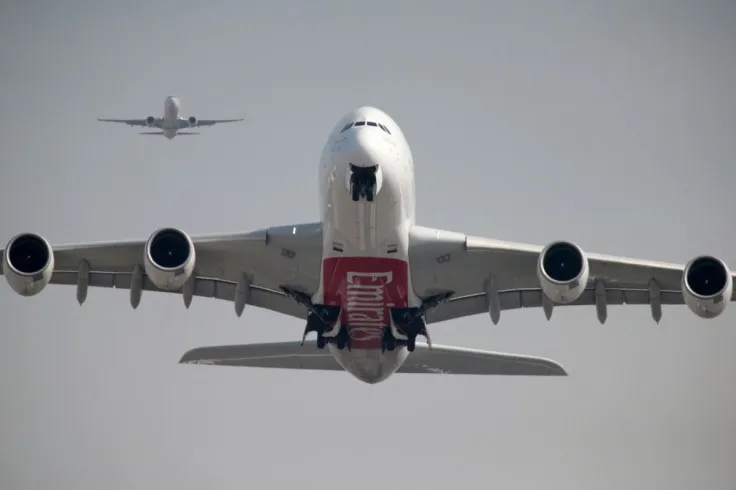
Dubai airport open on March 30, offering a vital sign of stability as regional tensions and operational disruptions continued to affect air travel. Although conditions have improved, airlines and airport authorities are still managing a reduced and flexible schedule across key routes.
Dubai International Airport, known as DXB, continues handling passenger traffic despite weeks of disruption across the region. The airport remains one of the world’s busiest aviation hubs, making its continued operation highly important for travelers, airlines, and the wider UAE economy.
According to current airport and airline updates, several flights continued boarding, departing, and arriving on Monday with either normal timing or minor delays. However, officials and airlines continue urging travelers to verify their flight status before leaving for the airport.
Dubai Airports and major carriers have stressed that passengers should only travel to the airport after receiving clear booking confirmation. This guidance applies to both Dubai International Airport and Al Maktoum International Airport, as schedules remain subject to sudden changes.
The airport’s current status reflects a gradual recovery after several weeks of pressure. Earlier this month, regional airspace restrictions, aviation safety concerns, and drone-related incidents disrupted airline schedules and forced several carriers to suspend or adjust services.
At the same time, weather conditions added further strain to the aviation sector. Heavy rainfall across Dubai and parts of the UAE caused severe road congestion, standing water, and access issues near several transport corridors, including airport approach routes.
Even so, airport operations continued while crews worked to maintain passenger movement and restore normal traffic flow. Ground teams, airlines, and airport authorities coordinated closely to reduce delays and manage flight schedules more effectively.
Emirates and flydubai have remained central to this recovery period. Both airlines continued operating flights under reduced schedules after the partial reopening of regional airspace. Emirates has also advised customers to monitor flight changes, review travel options, and update contact details for notifications.
In addition, flydubai confirmed that it continues to operate flights across its network on a reduced schedule. The airline also instructed passengers to check the latest operational updates and flight information before travel.
The continued operation of DXB matters beyond aviation alone. Dubai’s airport network supports tourism, trade, logistics, hospitality, and investor confidence. Therefore, even limited continuity at DXB helps preserve economic momentum during a period of regional uncertainty.
DXB plays a strategic role in connecting Asia, Europe, Africa, and the Middle East. Any disruption at the airport can quickly affect international travel flows, airline revenue, and passenger movement across several major markets.
Industry observers say the airport’s ability to remain functional during multiple pressures reflects the strength of Dubai’s transport infrastructure. It also reinforces the emirate’s reputation for rapid response, operational resilience, and coordinated crisis management.
Airport operations are expected to remain active but carefully managed. Much will depend on regional airspace stability, weather conditions, and airline fleet planning in the coming days.
For now, the Dubai airport open, operational, and closely watched. While challenges continue, its ability to stay active offers reassurance to travelers and signals resilience in one of the Gulf’s most critical transport gateways.