



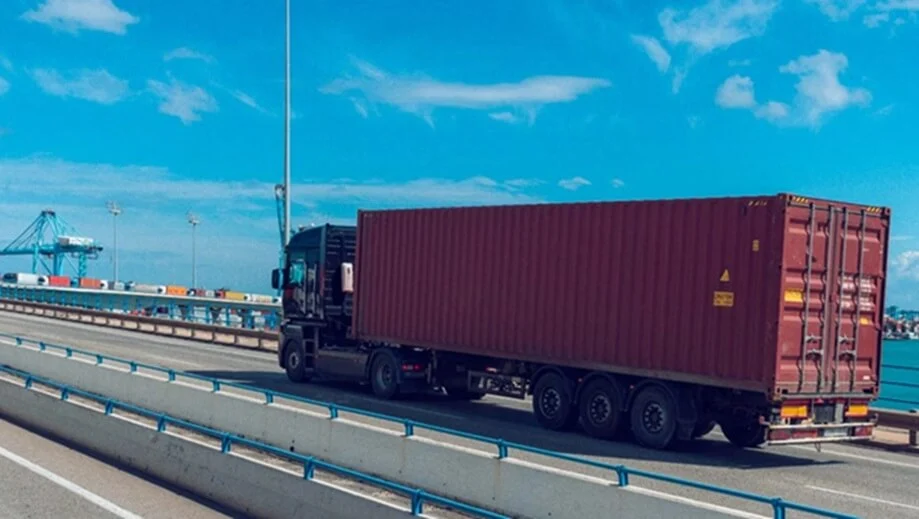
Iraqi fuel convoys entered Syria for the first time in years, signaling a major shift in regional energy logistics. The convoy crossed through the reopened Al-Tanf–Al-Walid border crossing and is heading toward the Baniyas refinery on the Mediterranean coast.
The initial operation includes 299 fuel tankers carrying refined petroleum products. Syrian authorities confirmed that this move marks the beginning of renewed transit activity between Iraq and Syria. As a result, both countries aim to strengthen cooperation in the energy sector.
Technical teams will begin unloading the fuel into storage facilities upon arrival. Then, operators will transport it to the Baniyas oil terminal for export to international markets. Therefore, the process supports both domestic handling and global distribution.
Moreover, Syrian officials highlighted the readiness of infrastructure and workforce to manage the operation. They emphasized that facilities can handle transit activities under high operational standards. Consequently, Syria seeks to rebuild its position as a regional energy corridor.
The Iraqi fuel convoys also reflect broader strategic goals. Authorities aim to diversify supply routes and reduce reliance on traditional maritime pathways. This step comes at a time of rising uncertainty in global shipping lanes.
Notably, the border crossing reopened after more than a decade of closure. It had remained shut since 2015 due to security concerns linked to extremist control in the region. Now, its reopening enables renewed economic and logistical cooperation.
In addition, Syrian leadership has expressed interest in expanding transit roles. Officials continue discussions with regional partners to develop secure supply chains. Therefore, the country aims to connect energy flows between East and West.
The move comes amid ongoing disruptions in the Strait of Hormuz. Shipping activity has declined sharply due to regional tensions and security risks. As a result, countries are actively exploring alternative routes for energy transport.
About 20 million barrels of oil usually pass through the Strait of Hormuz each day. However, recent restrictions have increased shipping costs and pushed global oil prices higher. Consequently, alternative corridors like Syria are gaining importance.
Furthermore, the Iraqi fuel convoys highlight shifting geopolitical dynamics. Regional conflicts continue to reshape energy strategies and trade routes. Therefore, countries are adapting quickly to maintain stability in supply chains.
Looking ahead, more convoys are expected to follow in the coming weeks. These operations will test the efficiency and reliability of the new route. As a result, successful implementation could strengthen regional energy integration.
Iraqi fuel convoys represent a significant development in regional energy transport. The initiative supports economic recovery, enhances cooperation, and offers new options for global oil distribution.

