



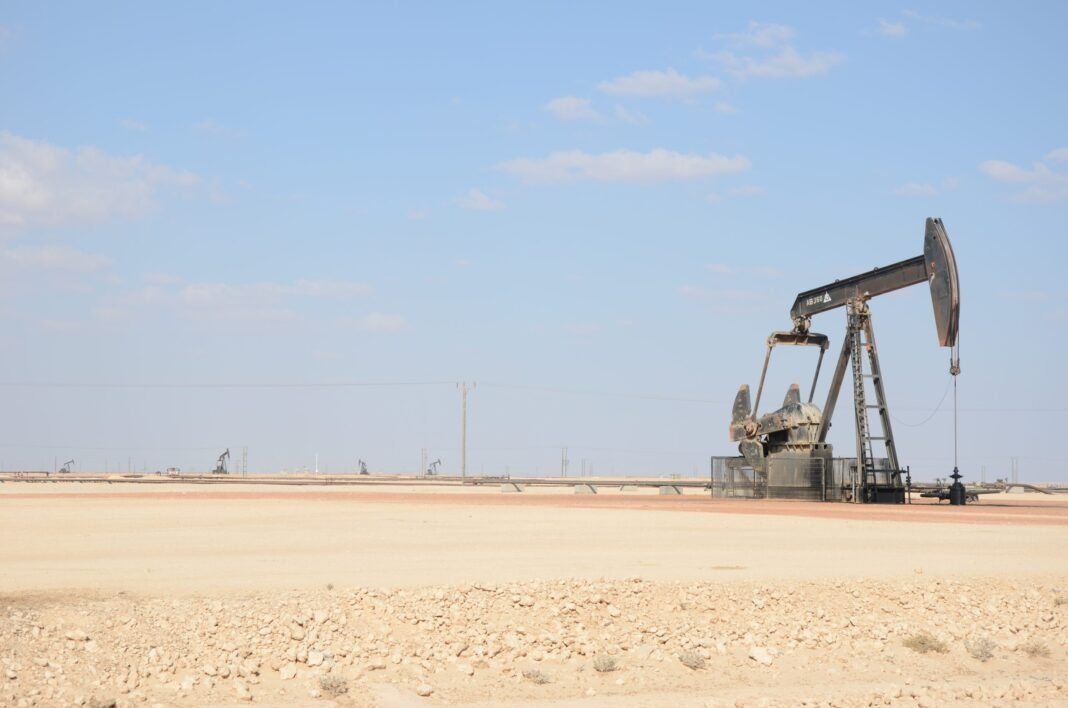
Oman gas output shows steady growth as the country reports higher natural gas production levels in early 2026. Officials confirm rising figures across both local production and imported supplies. Moreover, the energy sector continues adjusting to changing demand patterns across industries. As a result, Oman gas output reflects broader shifts in energy consumption and production balance.
Authorities report total natural gas availability reached 8.76 billion cubic metres by February 2026. This marks a 1.3 percent increase compared with the same period last year. In addition, energy planners continue monitoring supply stability across multiple sectors. Consequently, the rise supports long-term planning for national energy demand.
Associated gas production declined by 8.5 percent during the same reporting period, falling to 1.825 billion cubic metres. Meanwhile, non-associated gas production rose alongside import contributions. This segment supported stronger overall supply performance across the system.
Non-associated gas, including imports, recorded a 4.3 percent increase year on year. It reached higher volumes compared with the previous reporting cycle. Therefore, supply diversification continues to play a key role in energy stability. In addition, infrastructure improvements support smoother distribution across networks.
Industrial consumption rose sharply across key sectors in the country. Gas use in industrial projects increased by 6.2 percent during the period. Furthermore, power generation plants recorded a 13.2 percent increase in usage. This growth highlights rising demand from electricity production systems.
Oman gas output remains closely linked to industrial expansion and energy needs. Power plants consumed 2.25 billion cubic metres during the reporting period. Similarly, industrial projects used around 4.87 billion cubic metres in total. These increases reflect stronger economic activity across multiple sectors.
Gas consumption in oil fields declined by 20.8 percent year on year. This includes losses, measurement differences, and operational adjustments. Moreover, efficiency improvements contributed to lower usage in this segment. Energy operators continue optimizing field performance and resource allocation.
Industrial units, including mining and cement sectors, also reported lower usage. Consumption dropped by nearly 30 percent during the measured period. However, efficiency upgrades helped maintain stable production across industries. At the same time, operational restructuring supported reduced energy waste.
Analysts view Oman gas output as a key indicator of energy sector balance. Furthermore, diversification between production and consumption strengthens overall stability. As demand shifts, authorities continue adjusting supply strategies accordingly. Ultimately, Oman gas output supports long-term planning for national energy security.

