



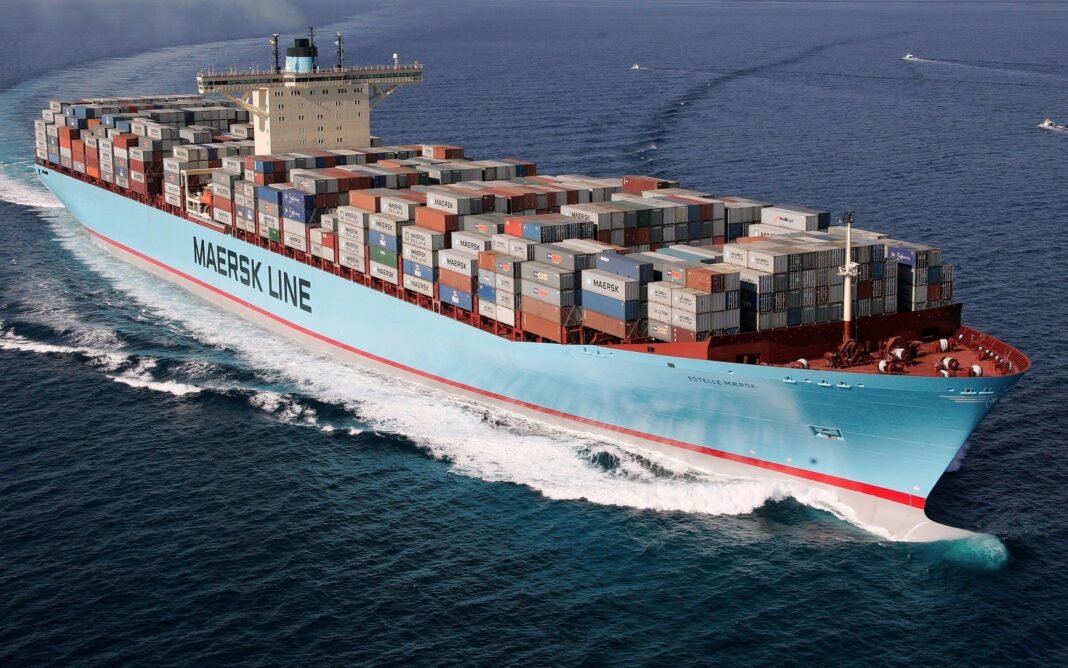
Maersk surcharge measures have taken effect as the global shipping company introduces new fees for vessels passing through the Strait of Hormuz. The move comes as shipping companies continue adjusting operations to address higher regional risks. Furthermore, the updated pricing affects cargo transported through one of the world’s busiest maritime routes.
The company announced that it will apply an additional charge of $1,000 per container for cargo moving through the Strait of Hormuz. The new fee reflects increased operating costs and risk management measures associated with the strategic waterway.
The Strait of Hormuz remains one of the world’s most important shipping corridors. A significant share of global energy exports and commercial cargo travels through the narrow passage every day. Therefore, any changes affecting the route receive close attention from businesses and international markets.
In addition to the container surcharge, the company introduced new priority shipping fees for selected Gulf destinations. These charges apply to customers requesting faster cargo transportation services.
The expedited service fees range from $1,800 to $3,800, depending on the shipment and destination. The updated pricing covers cargo moving to ports across several Gulf countries.
The affected destinations include Iraq, Kuwait, Saudi Arabia, Bahrain, Qatar, the United Arab Emirates, and Oman. Businesses using priority transport services should expect higher logistics costs under the revised pricing structure.
Shipping companies regularly review freight charges in response to market conditions. Fuel prices, insurance costs, regional security concerns, and operational expenses often influence pricing decisions. As a result, customers may experience temporary or long-term adjustments in transportation costs.
The Strait of Hormuz plays a critical role in international trade. It connects Gulf producers with major markets across Asia, Europe, and other global regions. Consequently, shipping activity through the passage remains essential for global supply chains.
Logistics providers continue monitoring developments across regional shipping lanes. Companies often revise operational plans to maintain reliable cargo deliveries while protecting crews, vessels, and customer shipments.
Businesses that depend on imported materials may closely monitor freight costs in the coming weeks. Additional shipping expenses can influence supply chain planning and transportation budgets. However, the overall impact will depend on cargo volumes and shipping schedules.
Importers and exporters across the Gulf region may also evaluate alternative logistics strategies where practical. Nevertheless, the Strait of Hormuz remains one of the most efficient routes for international maritime trade.
Industry analysts expect shipping companies to continue reviewing operational risks as market conditions evolve. Any changes in regional stability or trade activity could influence future pricing decisions.
Maersk surcharge announcements highlight the importance of flexibility within global logistics networks. Companies continue balancing operational efficiency with the need to manage rising transportation costs and evolving commercial risks.
Many businesses will continue monitoring freight developments before making shipping decisions. At the same time, logistics providers are expected to adapt services as market conditions change.
Maersk surcharge policies demonstrate how regional developments can quickly affect international shipping operations. As global trade continues expanding, shipping companies will likely keep adjusting pricing structures to maintain reliable services across key maritime routes.

