



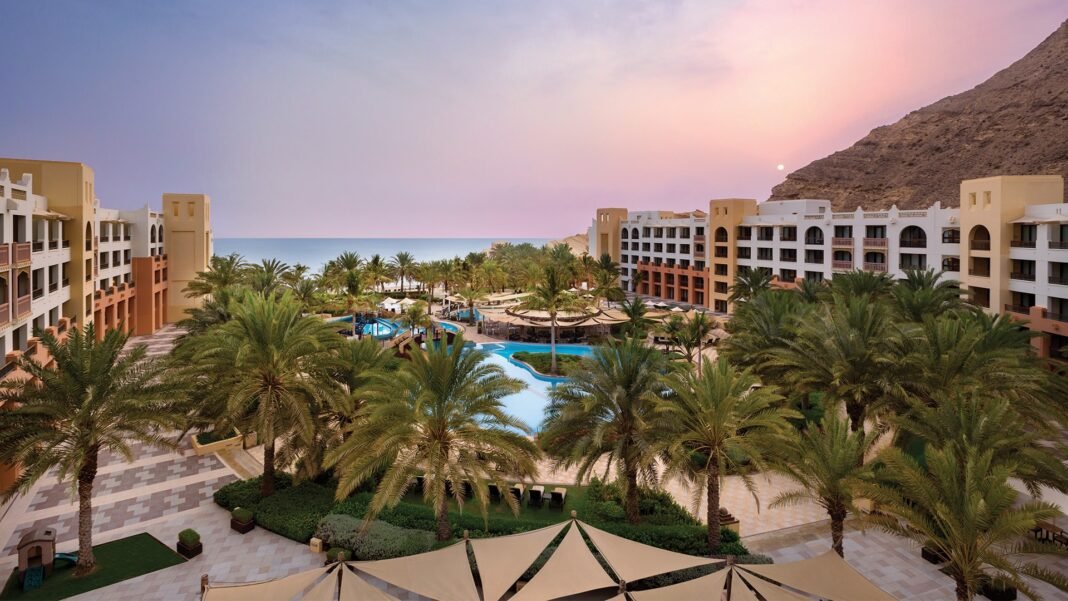
Oman tourism faced a challenging first half of 2026 as hotel revenue and visitor numbers declined across the country. Oman tourism remained under pressure after fewer travelers arrived from Europe and several Arab markets. At the same time, lower airport traffic reflected weaker travel demand during the period.
Official figures showed that revenue generated by three to five-star hotels reached OMR124 million during the first six months of the year. That represented a 12% decline compared with the same period in 2025. Hotel operators also welcomed fewer guests, highlighting softer demand across the hospitality sector.
Guest numbers fell 13% year-on-year to approximately 992,000 visitors by the end of June. In addition, hotel occupancy dropped to 46%, compared with 55% during the first half of last year. The lower occupancy rate reflected reduced international travel and weaker booking activity.
European travelers continued to represent the largest group of international visitors. However, arrivals from Europe dropped sharply during the period. Visitor numbers from the region declined by 31% to 246,603 travelers, creating additional pressure on hotel performance.
The decline in European arrivals significantly affected the hospitality industry because the market traditionally contributes a large share of international tourists. As a result, hotels experienced weaker room demand despite efforts to attract visitors from other regions.
Domestic travel provided some support for the sector. Hotel bookings by Omani citizens increased by 3% compared with the previous year. Meanwhile, bookings from Asian travelers remained largely unchanged, helping stabilize part of the market.
Even so, stronger domestic demand could not fully offset the decline in international visitors. Consequently, the hotel industry continued facing slower business activity throughout the first half of the year.
Airport traffic also reflected weaker travel demand. Total passenger numbers across Oman’s airports declined 9% compared with the same period last year. The figures included arriving, departing, and transit passengers.
International flight activity also slowed during the period. Passenger movements through Muscat, Salalah, and Sohar airports fell by 11%. Fewer international flights contributed to the decline in visitor arrivals and tourism activity.
Regional geopolitical developments also influenced travel patterns. The conflict between the United States and Iran, which began earlier this year, disrupted tourism across the Gulf region. Several countries temporarily closed their airspace during the early stages of the conflict.
Although airlines later resumed normal operations, the disruption affected travel plans for many visitors. Some tourists delayed or canceled trips because of uncertainty surrounding regional conditions. Consequently, tourism businesses across the Gulf continued feeling the impact.
Industry estimates suggest the conflict has caused significant tourism revenue losses across GCC countries. The financial impact has affected airlines, hotels, travel companies, and related businesses that depend on international visitors.
Despite the recent slowdown, Oman continues working toward ambitious tourism goals. Under Vision 2040, the country plans to expand the tourism sector and attract 11 million visitors annually. Authorities continue investing in infrastructure, hospitality projects, and visitor experiences to support long-term growth.
Officials also expect ongoing investments to strengthen the country’s appeal among international travelers. New tourism projects, improved transport networks, and expanded hotel capacity could help increase visitor numbers over the coming years.
Oman tourism remains an important pillar of economic diversification beyond the energy sector. Therefore, improving international connectivity and restoring visitor confidence will remain key priorities. Continued investment and stable regional conditions could help the hospitality industry recover as travel demand gradually improves.
As global travel conditions stabilize, industry leaders will closely monitor visitor trends, hotel occupancy, and airport activity. These indicators will provide a clearer picture of the pace of recovery during the remainder of 2026. Oman tourism will continue playing a central role in the country’s long-term economic strategy as authorities pursue sustainable growth and greater international tourism demand.