

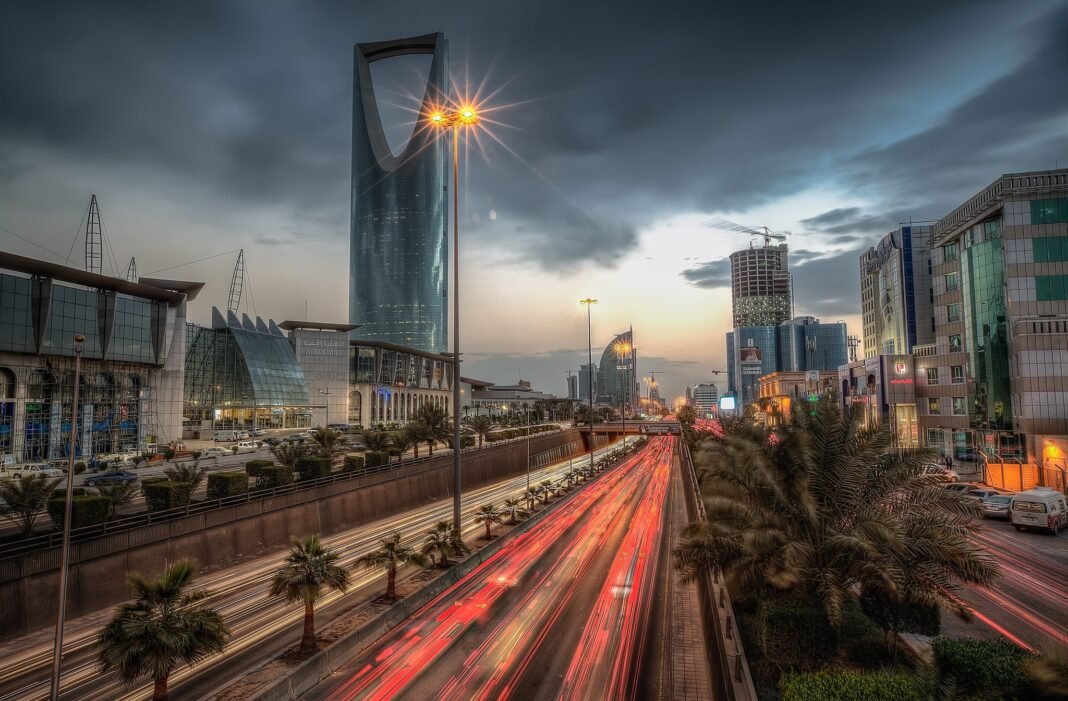
Saudi offices continued attracting strong demand during the second quarter of 2026. Saudi offices remained a bright spot in the Kingdom’s real estate market despite regional geopolitical uncertainty. The latest market data showed that businesses continued expanding their presence while residential activity slowed.
Demand for premium office space remained exceptionally strong across Riyadh. Office occupancy reached 97 percent during the second quarter. This figure reflected one of the highest occupancy levels recorded in the city. Businesses continued seeking high-quality office space as more international firms established operations in Saudi Arabia.
Prime office rents also moved higher during the reporting period. Premium office locations, including the King Abdullah Financial District, recorded a three percent annual increase in rental rates. Grade A office buildings also experienced rental growth, although at a slower pace of one percent.
Industry experts linked this strong performance to the Regional Headquarters Program. The government initiative continues encouraging multinational companies to establish regional headquarters inside Saudi Arabia. Consequently, demand for premium commercial properties has remained steady throughout the year.
More than 780 companies have now secured licenses through the headquarters initiative. Technology companies generated significant leasing activity during the first half of 2026. Healthcare firms also contributed strongly to office demand. Together, these sectors accounted for more than half of office leasing requirements.
While commercial properties performed well, the residential market experienced weaker activity. Housing transaction volumes declined by 14 percent compared with the same period last year. Furthermore, the total value of residential transactions dropped by approximately one quarter.
Apartment prices across the country remained relatively stable despite slower sales activity. However, Riyadh apartment values declined slightly during the quarter. Villa prices also continued falling as higher borrowing costs reduced affordability for many buyers.
Market analysts viewed these trends as part of an ongoing market adjustment. They explained that declining transaction volumes did not necessarily indicate a prolonged downturn. Instead, the property market continues adapting to changing economic conditions and financing costs.
Commercial real estate has largely avoided those challenges. Strong corporate demand continues supporting office occupancy and rental growth. Limited availability of premium office space has also strengthened market conditions for landlords.
Saudi Arabia introduced several property reforms during the past year. These measures aimed to improve affordability while attracting additional investment. Authorities also introduced new regulations that allow greater participation from foreign property investors.
The Kingdom plans significant long-term expansion within the real estate sector. Officials aim to increase annual foreign property investment to approximately $85 billion by 2030. That target represents substantial growth from the estimated $38 billion recorded during 2025.
Limited premium office supply continues supporting investor confidence. Existing Grade A office buildings remain highly sought after by multinational businesses. As a result, investors continue viewing commercial real estate as an attractive opportunity.
However, future office developments could gradually increase available space. Additional supply may eventually create more options for companies seeking premium offices. Until then, demand continues exceeding available inventory in many prime locations.
The relocation of regional headquarters has also supported residential demand among corporate executives. Companies continue relocating senior management teams to Riyadh. Many businesses also secure housing for executives and key employees moving into the Kingdom.
Saudi offices continue benefiting from government policies designed to attract international companies. Strong occupancy levels demonstrate sustained business confidence despite broader regional challenges. Saudi offices are expected to remain an important driver of commercial real estate growth as the Kingdom advances its long-term economic diversification strategy.