



Dubai apartment prices continued to face pressure in July, although some communities recorded stronger performance. Meanwhile, buyers increasingly showed interest in completed homes.
Apartment values across Dubai declined 0.2 percent month-on-month during July. As a result, values stood 4.2 percent below their level from one year earlier.
The latest figures indicate that Dubai’s residential market continues moving toward a more balanced phase. However, performance varied considerably between individual communities.
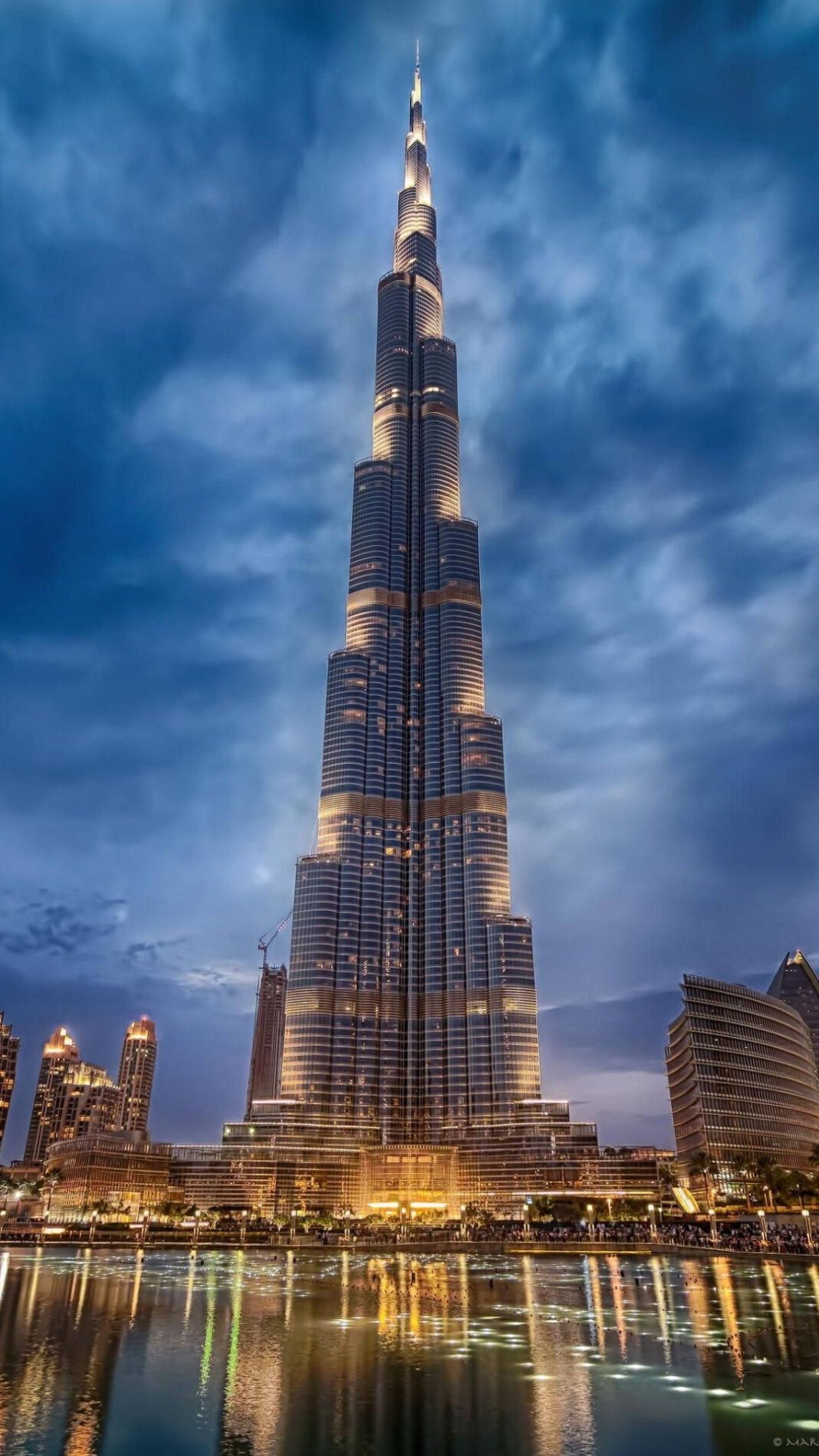
Burj Khalifa recorded the sharpest annual apartment decline during July. Prices in the area fell 19 percent compared with the same month last year.
Jumeirah Beach Residence followed with a 15.1 percent annual decline. Town Square ranked third, with prices falling 8.4 percent.
The citywide weighted average apartment capital value reached Dh1.79 million. Meanwhile, the weighted average value stood at Dh1,397 per square foot.
Despite the broader decline, several communities continued to record annual gains. Dubai Silicon Oasis posted the strongest growth among the tracked apartment locations.
Apartment values in Dubai Silicon Oasis increased 6 percent annually. Dubai Sports City followed with growth of 5.4 percent.
Al Quoz Fourth also performed strongly, recording a 5 percent annual increase. Therefore, the market continued to show significant differences between locations.
Older freehold apartments remain well above their post-pandemic values. However, they still sit below the market’s previous peak reached in 2014.
Overall, Dubai apartment prices now reflect a market that appears to be gradually stabilizing. Nevertheless, some high-profile communities continue to experience notable corrections.
Dubai’s villa segment also experienced weaker conditions during July. Villa capital values declined 0.4 percent from the previous month.
None of the communities tracked during the month recorded monthly growth. However, the villa segment maintained broadly flat annual performance.
Several established villa communities still delivered strong annual gains. Jumeirah Islands recorded the strongest increase at 15 percent.
Emirates Hills followed with annual growth of 9.1 percent. The Meadows recorded a 7.1 percent increase.
The Villa rose 6.4 percent, while Mira gained 4.7 percent during the same period.
However, other villa communities experienced significant annual declines. Mudon recorded the sharpest drop at 7.2 percent.
Victory Heights followed with a 5.4 percent decline. Dubai Hills Estate also fell, dropping 5.2 percent annually.
Despite these declines, older freehold villas remain significantly above their post-pandemic values. They also remain well above their 2014 market levels.
The average villa capital value reached nearly Dh13 million during July. The weighted average value stood at Dh2,039 per square foot.
Dubai’s overall Residential Price Index reached 219.2 points in July. The index declined 0.3 percent compared with June.
It also fell 1.6 percent compared with July last year. The index uses January 2021 as its base level of 100.
The latest movement suggests that Dubai’s residential market may be entering a stabilization period. Consequently, buyers and sellers may face more balanced conditions.
At the same time, transaction patterns provide another important signal. Ready homes gained momentum while off-plan activity weakened during July.
Ready-home transactions increased 11.4 percent month-on-month in July. The market recorded 3,546 completed-home transactions during the period.
However, ready-home transaction volumes remained 26.4 percent below the previous year’s level. Therefore, the monthly improvement does not yet indicate a full recovery.
Off-plan registrations moved in the opposite direction. Registrations declined 1.1 percent from June and dropped 45.3 percent annually.
The market recorded 9,475 off-plan transactions during July. Even so, off-plan properties remained the dominant part of residential sales.
Off-plan deals represented 72.8 percent of total residential transactions. Ready homes accounted for the remaining 27.2 percent.
Meanwhile, Dubai continued to record significant transactions in the luxury segment. Twenty-two ready-home deals exceeded Dh30 million during July.
Six of those transactions surpassed Dh50 million. These high-value purchases focused on several premium communities across the emirate.
Palm Jumeirah, Dubai Hills Estate, and Emirates Hills attracted several major transactions. Arabian Ranches, Jumeirah Golf Estates, Downtown Dubai, La Mer, and DIFC also featured.
Azizi led developer sales during July with a 28.4 percent share. Damac followed with 7.9 percent.
Emaar accounted for 7.8 percent of developer sales. Binghatti captured 5.2 percent, while Ellington reached 3.7 percent.
Nakheel followed with a 3.1 percent share. Meanwhile, several locations dominated off-plan transactions.
Azizi Venice recorded the largest share at 21.2 percent. City of Arabia followed with 7.6 percent.
Jebel Ali Industrial Second accounted for 4.9 percent. Dubailand Residence Complex and Jebel Ali Downtown each reached 4.7 percent.
Jumeirah Village Circle recorded 4.3 percent of off-plan transactions. Jumeirah Islands followed with a 2.8 percent share.
For ready homes, Jumeirah Village Circle ranked first with 14.4 percent. Dubai Marina followed with 6 percent.
Business Bay captured 5.3 percent of ready-home transactions. Downtown Dubai reached 3.9 percent, while Dubai Hills Estate recorded 3.3 percent.
Overall, Dubai apartment prices remain under pressure despite stronger activity in selected communities. Meanwhile, the shift toward ready homes could influence market dynamics further.
Therefore, buyers may find opportunities in communities experiencing sharper corrections. However, location, property type, and transaction trends remain important factors.
The July figures suggest that Dubai’s housing market continues to adjust rather than collapse. As conditions evolve, buyers and investors will likely watch prices closely.
The combination of declining values and stronger ready-home activity could create new opportunities. Nevertheless, market performance will likely remain uneven across Dubai’s communities.