



Iraqi Customs Revenue is expected to exceed $3 billion as customs collections continue to rise. The increase follows major changes in Iraq’s customs operations. Customs revenue could reach about 4 trillion dinars by the end of the year. That amount equals roughly $3.05 billion based on current exchange rates. The latest projection marks a major increase from previous years. Customs revenue stood near 800 billion dinars before Iraq introduced a digital customs system in 2022. Since then, customs authorities have expanded digital processing across major border points. Officials say the system has helped improve collection efficiency. It has also reduced paperwork and strengthened oversight of goods entering Iraq.
Furthermore, customs collections have continued to grow since the system launched. Revenue reached about 1 trillion dinars during 2023. By the middle of 2024, collections had reached nearly 2 trillion dinars. Meanwhile, revenue continued rising during the following two years. By July 2026, customs revenue had surpassed 2.6 trillion dinars. That figure already matched the total recorded during the previous full year. As a result, officials now expect collections to reach 4 trillion dinars by year-end. The forecast reflects stronger customs activity and improved digital controls. The digital system now handles most customs procedures electronically. Consequently, authorities have reduced their reliance on traditional paper-based processes.
Around 70 percent of goods transactions now finish within 24 hours. This faster process could help traders move shipments more efficiently. Moreover, the system helps authorities monitor customs declarations more closely. It can also support efforts against financial crimes and money laundering. However, Iraq still faces challenges at several border crossings. The Kurdistan Region remains outside the current nationwide customs system. Authorities plan to expand the digital system to Kurdish border crossings. Both federal and regional officials have expressed support for that expansion. Officials expect the rollout to reach those crossings before the end of the year. The move could create more consistent customs procedures across Iraq.
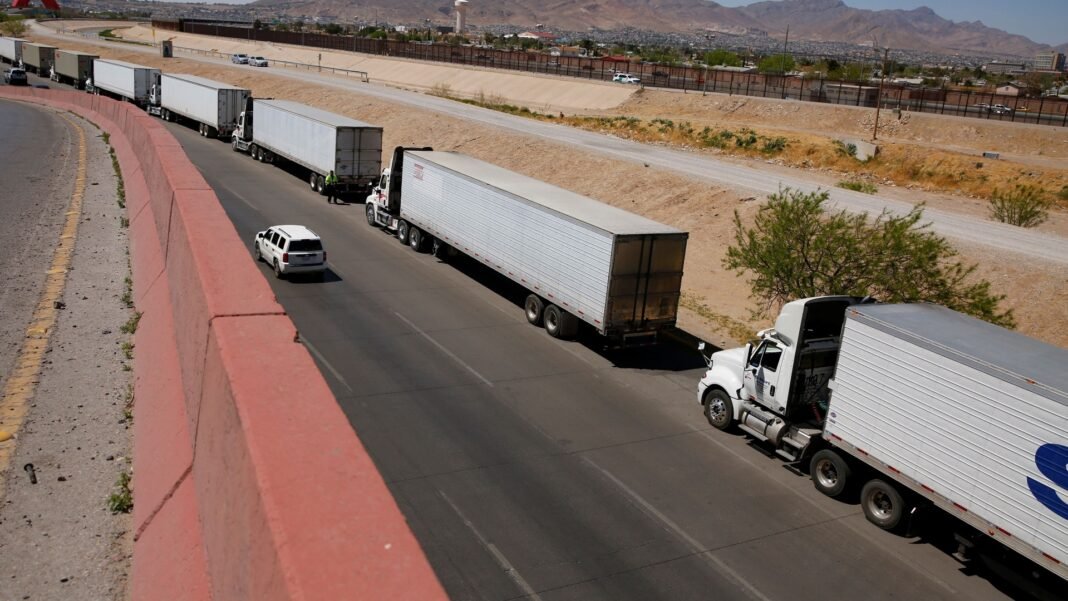
At the same time, informal crossings remain a concern for authorities. Such routes can complicate customs collection and border monitoring. Iraq has also experienced significant changes in trade flows. War-related disruptions have reduced traffic through some major ports. According to customs officials, port trade volumes have fallen by about 50 percent. Consequently, more shipments have moved through several land crossings. These include Trebil, Waleed, and Rabia. Their growing role highlights the importance of efficient customs procedures across Iraq. Furthermore, customs officials continue working to improve the declaration process. Traders and importers remain responsible for declaring the value of imported goods.
Authorities use digital tools to compare and monitor customs information. This approach can help identify unusual transactions and potential violations. The government also wants stronger coordination between different border authorities. Better coordination could improve revenue collection while reducing delays for legitimate traders. Iraqi Customs Revenue remains an important source of government income. Stronger collections could provide additional fiscal support for Iraq. The latest figures also show the impact of digital transformation. Iraq has gradually moved customs operations toward faster and more transparent procedures. However, officials still need to address informal trade routes. They must also complete digital integration across all major crossings.
If the current trend continues, collections could reach the projected 4 trillion dinars. That would represent a significant increase compared with levels recorded before 2022. Overall, Iraqi Customs Revenue has grown sharply since the digital system began. The government now expects another strong increase before the year ends. The expansion of digital customs operations could support further growth. It may also strengthen border controls and improve Iraq’s trade administration. For businesses, faster processing could reduce waiting times at border crossings. For the government, stronger collection systems could increase public revenue. Therefore, Iraq’s customs reforms could play a larger role in the country’s economic management. Continued digital expansion will remain important as trade activity develops.

