



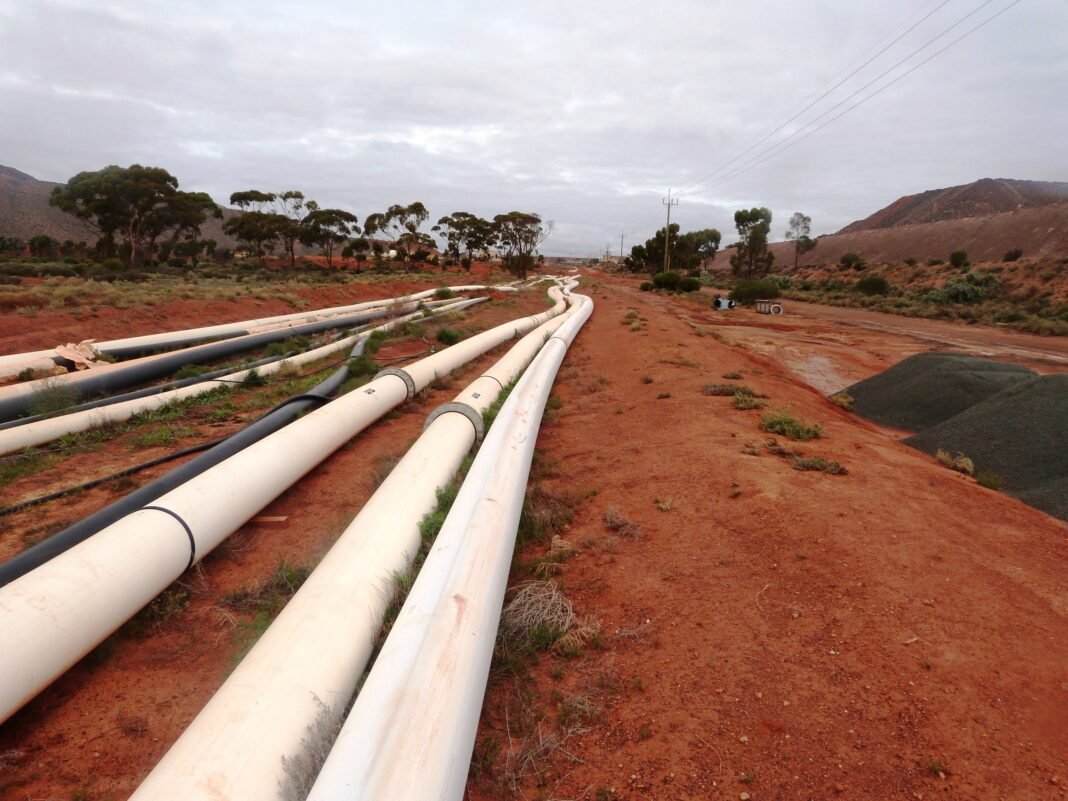
Gulf oil remains competitive despite rising expenses linked to infrastructure repairs and security measures. Saudi Arabia has restarted operations on its East-West pipeline after a recent disruption. The route provides an important alternative for moving crude toward the Red Sea. However, restoring the system will take time as damaged pumping facilities require repairs.
Meanwhile, higher insurance and shipping costs continue to pressure regional energy companies. Nevertheless, analysts say Gulf producers still benefit from comparatively low production costs. The latest developments have also contributed to weaker oil prices during Wednesday trading.
Saudi Arabia uses the East-West pipeline to move crude from eastern oilfields toward Yanbu. The route allows shipments to avoid the Strait of Hormuz. That advantage has become particularly important during the current regional conflict. Recent disruptions forced Saudi Arabia to adjust its export arrangements. The kingdom increased shipments through Gulf terminals while working to restore the alternative route. Now, the pipeline has resumed limited operations. However, full capacity will require additional repairs and technical work.
The pipeline can transport up to 7 million barrels of crude each day. Before the latest disruption, Saudi Arabia moved around 4 million barrels daily through the system. That volume represented an important part of the kingdom’s export strategy. Therefore, restoring the pipeline could improve flexibility across Saudi Arabia’s energy network. However, the restart does not immediately restore full export capacity. Industry sources indicate that the system needs several weeks before reaching normal operating levels.
At the same time, the cost of transporting crude has increased significantly. Regional security risks have pushed insurance expenses higher. Tanker availability has also become more complicated across the region. Furthermore, disruptions around the Strait of Hormuz have increased logistical pressure. These factors can raise the cost of moving each barrel. However, Gulf producers still hold an important cost advantage. Their production expenses remain relatively low compared with many other producing regions.
Saudi Arabia therefore faces higher operating expenses without losing its fundamental cost position. Additional security spending will increase the financial burden. Repairs will also require further investment across critical energy infrastructure. Moreover, companies must consider the possibility of future disruptions. Consequently, energy producers are placing greater emphasis on redundancy and alternative export routes. These measures can improve resilience but also increase operating costs.
Oil prices have responded to signs of improving supply conditions. Brent crude recently moved below the $100 level. Wednesday trading continued to reflect expectations for stronger Gulf supply. Investors also watched diplomatic developments involving the United States and Iran. Any progress could reduce concerns surrounding regional energy flows. However, continued conflict could quickly reverse those expectations.
The Strait of Hormuz remains central to the regional oil market. Large volumes of crude normally pass through the waterway each day. Recent disruptions have forced producers to consider alternative transportation routes. Saudi Arabia’s East-West pipeline provides one such alternative. Therefore, keeping the pipeline operational has strategic importance beyond its immediate export capacity.
The kingdom has also adjusted crude loading activity at Gulf terminals. Recent shipping activity showed stronger exports through routes connected to the Gulf. These changes helped maintain crude flows while the pipeline faced disruption. Consequently, Saudi Arabia has demonstrated its ability to redirect some exports. However, those alternatives can carry additional transportation and security costs.
Meanwhile, other Gulf producers face similar challenges. Regional exporters must balance production, transportation, insurance, and security expenses. They also need to maintain reliable access to international customers. Rising costs could therefore influence investment decisions across the energy sector. Nevertheless, low production costs provide Gulf producers with substantial financial flexibility.
Gulf oil remains competitive even as the regional energy network faces greater pressure. The latest pipeline restart should gradually improve Saudi Arabia’s export options. However, the recovery will depend on repairs, security conditions, and available shipping capacity. Oil prices will also respond to changes in global supply expectations. Investors will therefore continue watching Gulf infrastructure and regional developments closely.
For Saudi Arabia, the immediate priority remains restoring reliable pipeline operations. The longer-term challenge involves strengthening infrastructure against future disruptions. At the same time, producers must control costs while maintaining export capacity. If regional tensions ease, transportation expenses could eventually decline. However, continued instability could keep insurance and security costs elevated. The Gulf’s low production costs should nevertheless continue supporting its position in global oil markets.

