



Saudi rail expansion is gaining momentum as Saudi Arabia orders 3,400 railcars in a $600 million deal. The purchase will strengthen freight capacity across the kingdom. It also supports wider plans to expand logistics infrastructure and improve cargo connectivity. The order includes several types of railcars for different freight requirements. Around 780 units will serve Saudi Arabia Railways. Other cars will transport materials such as phosphoric acid and molten sulphur. Consequently, the investment could increase the capacity of the country’s growing rail freight network.
The new railcars will support Saudi Arabia’s efforts to move more goods by rail. The kingdom continues to develop transportation links between industrial areas, mines, ports, and logistics centers. Therefore, stronger rail capacity could improve the movement of commodities across long distances. Rail transport can also reduce pressure on road networks and support more efficient cargo operations. In addition, the investment fits within Saudi Arabia’s broader economic diversification plans. The kingdom aims to strengthen logistics as part of its long-term development strategy.
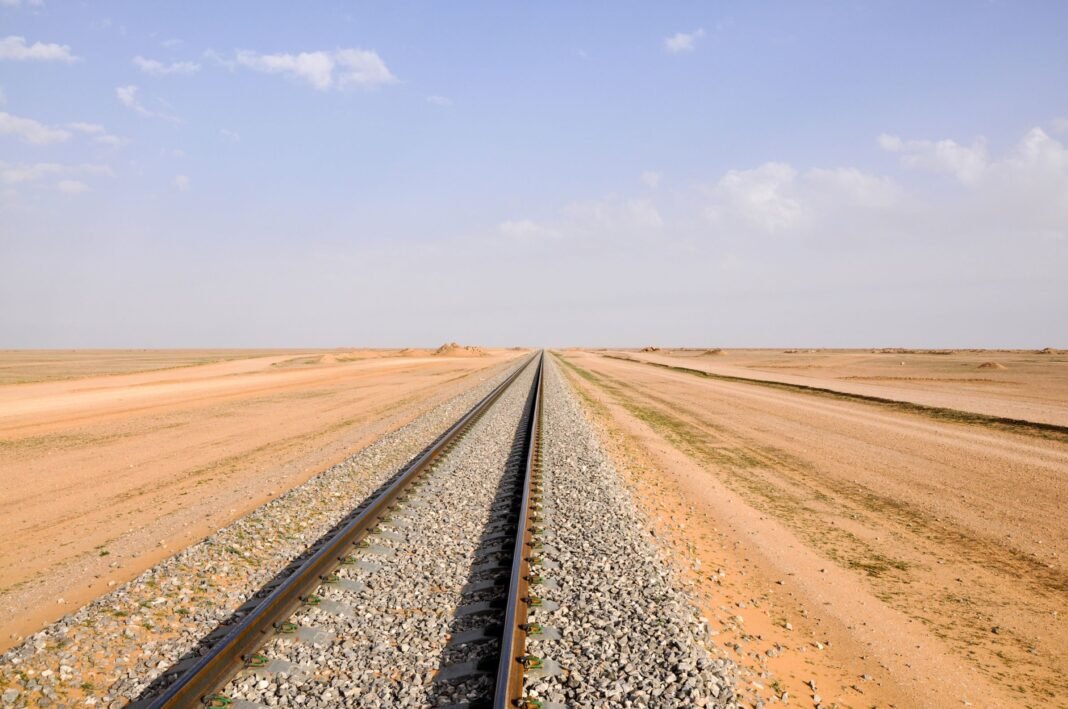
The North-South railway remains a major part of this strategy. The route stretches about 1,550 kilometers across the kingdom. It currently carries almost 13.5 million tonnes of freight each year. The railway connects mining areas with processing facilities and export locations. As a result, the line plays an important role in supporting Saudi Arabia’s mining and industrial sectors. Expanding freight capacity could allow the network to handle larger cargo volumes in future years.
Meanwhile, Saudi Arabia is also strengthening maintenance operations across its rail network. The national railway operator signed a five-year maintenance agreement covering locomotives on the North-South freight corridor. The contract carries a value of about €22 million. Regular maintenance can help improve reliability across a heavily used freight route. Furthermore, stronger locomotive performance can support higher freight volumes as the network expands.
Saudi Arabia has already approved major investments to increase railway capacity. Authorities approved plans to double part of the northern freight line in 2024. The project carries an estimated investment of SAR4 billion. The expansion reflects growing demand for rail-based freight transportation. It also demonstrates the kingdom’s focus on developing long-term logistics infrastructure. Therefore, the latest railcar order adds another layer to the country’s expanding transportation strategy.
The kingdom has also increased efforts to strengthen domestic logistics connections. Saudi Arabia Railways plans to operate container services at additional stations across the country. The expansion could provide businesses with more options for moving goods. It could also connect industrial centers with ports and distribution facilities more efficiently. Moreover, wider container services could support domestic trade and improve supply chain flexibility.
The Eastern Province has also received attention from railway planners. A major network expansion will connect industrial facilities in the Dammam area with ports and logistics hubs. The project aims to connect more than 1,000 local and international facilities. Such links could strengthen the region’s position as an important industrial and logistics center. Additionally, better rail access could reduce transportation bottlenecks for manufacturers and exporters.
Saudi Arabia has also introduced several new logistics routes this year. The move came as regional tensions disrupted shipping through the Strait of Hormuz. Those disruptions highlighted the importance of alternative transportation networks. Consequently, Saudi Arabia has increased its focus on domestic logistics resilience. Stronger rail connections could help businesses manage supply chain disruptions more effectively.
The latest investment also supports Saudi Arabia’s wider ambition to become a major logistics hub. Efficient railways can connect ports with industrial zones and inland markets. They can also support mining, manufacturing, energy, and agricultural industries. Therefore, expanding freight infrastructure could create benefits across several economic sectors. The strategy also complements efforts to improve connections with neighboring countries.
Saudi rail expansion is likely to remain a major infrastructure priority. New railcars will increase freight capacity while maintenance agreements support network reliability. At the same time, new routes can improve connections between factories, mines, ports, and logistics centers. Together, these projects could strengthen the kingdom’s freight transportation system. They also underline Saudi Arabia’s continuing investment in infrastructure and economic diversification.
The $600 million railcar order therefore represents more than a fleet expansion. It forms part of a broader effort to build a stronger logistics network. As freight demand grows, Saudi Arabia will need additional capacity across its transportation system. Railways could play an increasingly important role in meeting that demand. Meanwhile, continued infrastructure investment could help the kingdom strengthen its position within regional and international supply chains.