



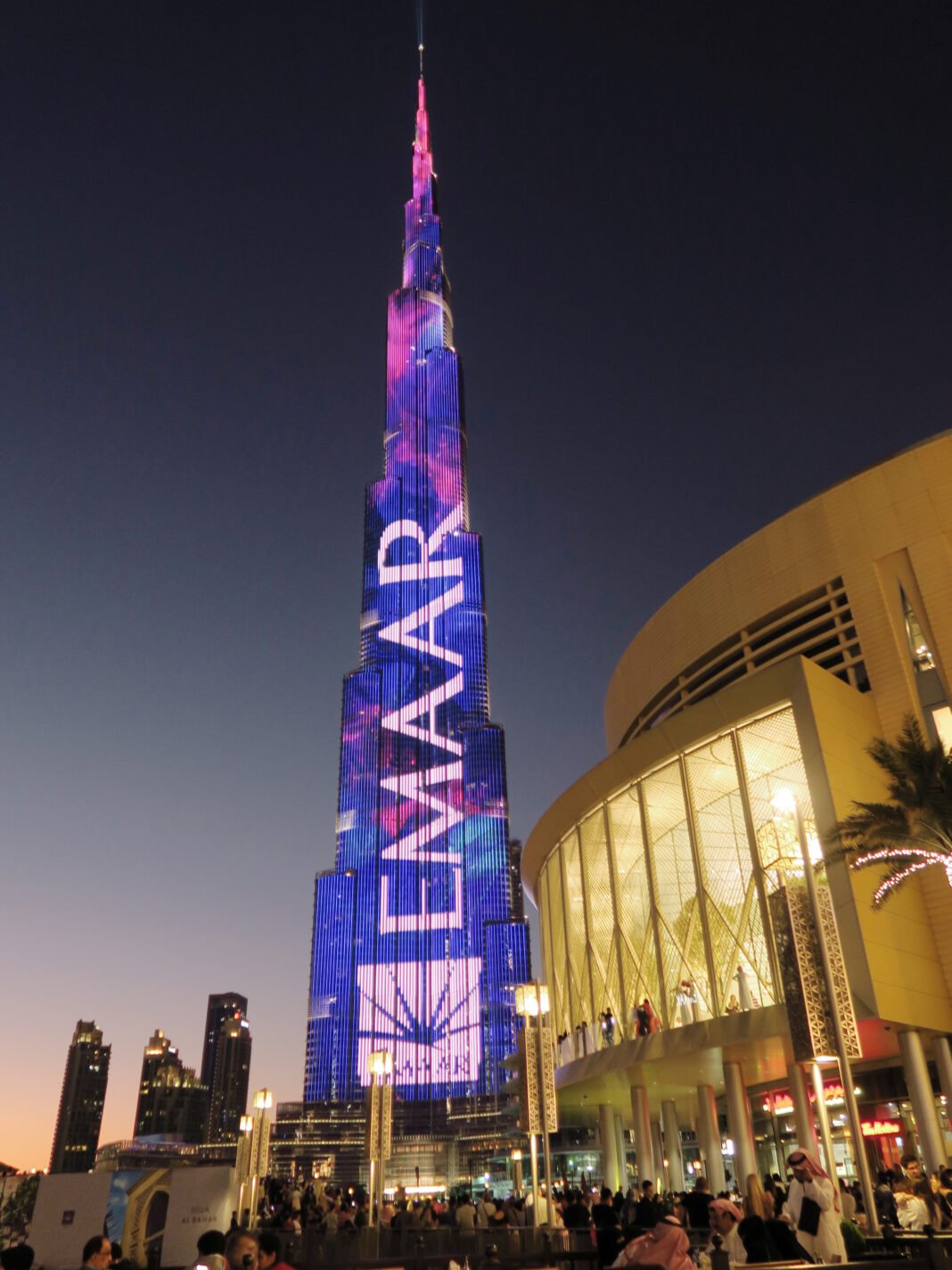
Emaar property sales have slowed sharply in 2026 as regional tensions affect buyer confidence. However, Dubai’s major developer continues to report strong financial results. Chairman Mohamed Alabbar said Emaar could remain profitable without new sales for several years. The company has a large backlog of previously sold properties. That backlog provides future revenue as construction progresses and homes reach buyers.
Emaar recorded a 42 percent decline in property sales during the first half. UAE sales dropped by 45 percent during the same period. Despite that decline, the company’s profit increased by 26 percent. Its revenue backlog reached AED165 billion by June 30. Therefore, Emaar can continue generating revenue from earlier property transactions. This provides support while new sales remain under pressure.
The company’s financial position also gives it additional flexibility. Emaar held about AED77 billion in cash and equivalents at the end of June. Meanwhile, its debt stood at approximately AED9.4 billion. The company therefore maintained a substantial net cash position. Strong liquidity can help Emaar continue construction and development during weaker market conditions.
The developer has also avoided cutting property prices to attract buyers. Alabbar said Dubai sales volumes and values fell by almost one-third during the second quarter. However, prices per square foot continued to increase. Emaar therefore continues to focus on maintaining prices rather than offering broad discounts. This approach could help protect property values during the current slowdown.
Meanwhile, Dubai’s wider off-plan market has also experienced weaker activity. Developers have reduced new project launches as buyers become more cautious. At the same time, construction completions have increased. This shift means developers must increasingly focus on delivering properties already sold. Consequently, strong cash positions and large backlogs have become increasingly important.
Emaar has continued launching projects, although at a slower pace. Alabbar acknowledged that the company launches fewer developments than before. This strategy allows the developer to manage its pipeline carefully. It also helps balance construction commitments against changing buyer demand.
Emaar property sales could recover if market confidence improves. Alabbar expects the current impact from the regional conflict to remain temporary. He estimated that the slowdown could continue for another two or three months. However, the timing of a recovery remains uncertain. Buyer confidence, economic conditions, and regional developments will influence future demand.
Dubai’s property market has attracted strong demand in recent years. However, current conditions have created greater uncertainty for investors and homebuyers. Some buyers may delay purchases until market conditions become clearer. Others could continue purchasing premium properties despite weaker overall activity.
Emaar property sales therefore remain an important indicator for Dubai’s residential market. The company’s large backlog provides visibility for future revenue. Its strong cash position also reduces pressure from weaker new bookings. However, sustained growth will eventually require fresh sales. Emaar will therefore need to balance new launches with existing construction commitments as conditions change.

