



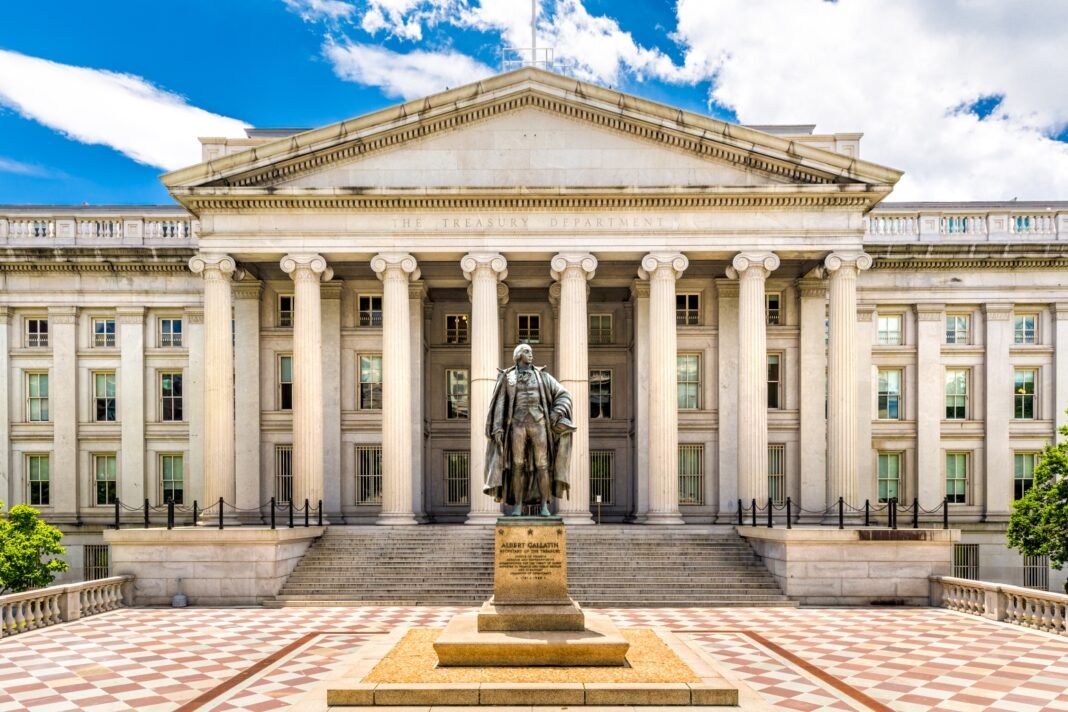
US Treasuries are attracting strong interest from UAE and Gulf investors as bond yields reach levels unseen for years. The 10-year Treasury yield has climbed to around 5 percent, marking its highest level since 2007. This increase has created new opportunities for investors seeking reliable income from highly rated government debt. Consequently, Gulf investors are reassessing bonds as part of broader and more balanced investment strategies.
Higher yields have changed the investment environment after years of extremely low returns across major bond markets. Investors can now earn substantially more income from government securities without taking the risks linked to lower-rated assets. Moreover, the current environment gives investors another option alongside equities, real estate, and other investments. This shift has increased interest among investors looking to secure returns while managing market uncertainty.
Market strategists said interest in bonds extends across the Gulf, including the UAE and other GCC markets. However, investors must consider several risks before committing significant capital to longer-term government securities. Rising interest rates can reduce existing bond prices, even when investors continue receiving regular interest payments. Therefore, investors need to balance attractive yields against possible price volatility and changing monetary policies.
The US Federal Reserve remains one of the most important factors shaping the Treasury market outlook. The central bank raised interest rates by 25 basis points in September as inflation pressures remained a concern. The increase lifted the federal funds target range to between 3.75 percent and 4 percent. Further tightening could place additional pressure on bond prices and influence investment decisions across global markets.
At the same time, changes in oil prices could significantly affect inflation expectations and future interest rate decisions. Higher oil prices can increase inflation by raising transportation, production, and energy costs across many economies. Regional tensions could also disrupt energy supplies and create additional pressure on global commodity markets. As a result, Gulf investors must closely monitor developments in both energy markets and global monetary policy.
A decline in regional tensions could produce a different outcome for bond markets and inflation expectations. Lower oil prices could reduce inflation pressures and weaken expectations for additional US rate increases. Such a shift could support Treasury prices if investors begin expecting easier monetary policy. Therefore, changes in geopolitical conditions could influence both bond yields and broader portfolio performance.
Investors are also approaching the Treasury market gradually instead of making large moves at once. The US government bond market remains extremely large and highly liquid, with major institutions trading securities every day. Because of that scale, individual investment flows from Gulf markets may have limited influence on overall Treasury prices. Nevertheless, steady demand could show growing confidence in bonds as a source of portfolio income.
Shorter and longer Treasury maturities are also attracting attention because their yields remain relatively close. The two-year, five-year, and 10-year yields currently sit within a narrow range of each other. This situation gives investors more flexibility when choosing maturities based on their financial goals. However, investors still need to consider interest rate expectations and their preferred investment timeframe.
Real yields provide another important measure when investors compare Treasury returns with inflation. The five-year real yield stands at around 2.3 percent, offering a meaningful return after accounting for inflation. This level can make government bonds more attractive to investors seeking purchasing power protection over time. At the same time, inflation could change the real value of future returns if price pressures remain elevated.
Higher borrowing costs could also create challenges for equity markets, particularly companies that depend heavily on financing. Technology businesses may face pressure as expensive funding affects expansion plans and future earnings expectations. Infrastructure projects could also experience higher costs, especially when developers rely on significant debt financing. Consequently, investors may need to prepare for greater volatility across both stocks and bonds.
Global economic growth represents another concern as central banks continue focusing on inflation control. Higher interest rates can reduce consumer spending, business investment, and demand across major economies. Slower economic activity could also affect energy consumption and place pressure on oil prices. These developments could create different opportunities and risks for investors across global markets.
For Gulf investors, diversification remains particularly important as financial markets respond to changing economic conditions. Bonds can provide regular income while reducing dependence on equity market performance. However, investors should match their bond exposure with their financial goals, investment horizon, and tolerance for losses. Keeping some cash available can also provide flexibility when market conditions change quickly.
The current interest in US Treasuries reflects a major shift in the global fixed-income environment. Investors now have access to yields that remained difficult to find during the long period of low interest rates. Gulf investors are increasingly watching these opportunities while considering risks from inflation, oil prices, and monetary policy. Overall, Treasuries can provide attractive income, but investors still need a diversified approach.