



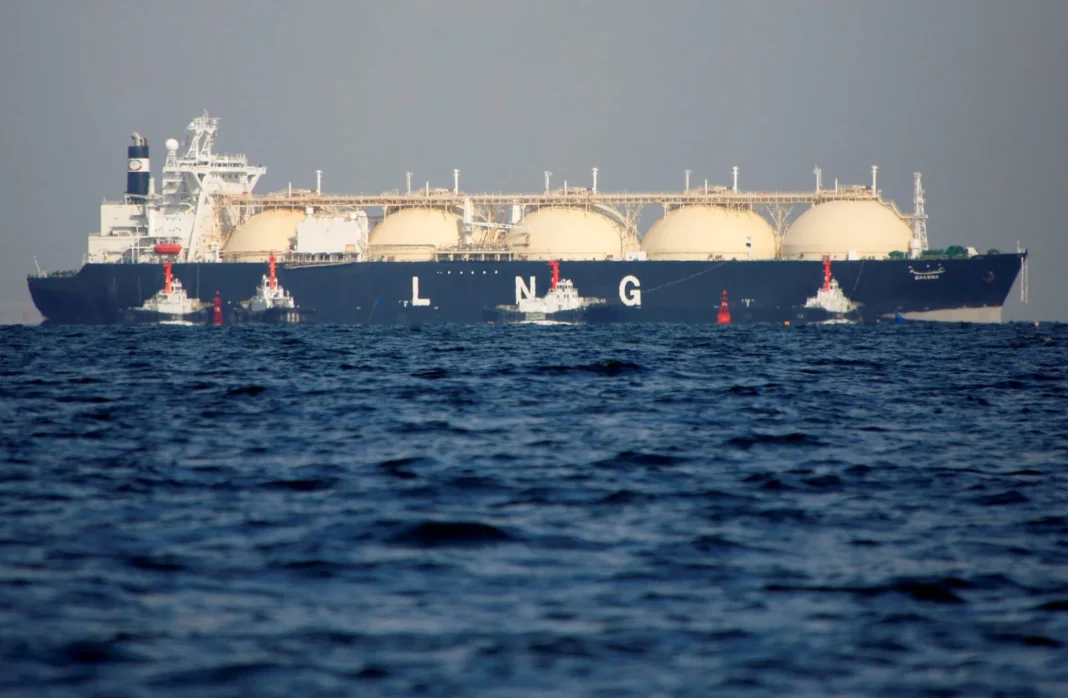
The LNG Crisis continues to challenge the Middle East energy industry as the Iran war disrupts exports and threatens shipping routes. Although some regional oil shipments have recovered, liquefied natural gas exports remain severely constrained. Qatar faces particular difficulties because attacks have damaged production infrastructure and disrupted export operations. Consequently, international gas markets face supply shortages, higher prices, and uncertainty over future deliveries.
Qatar plays a central role in global liquefied natural gas supplies. Before the conflict, the country had annual LNG production capacity of approximately 80 million tonnes. However, the war and restrictions around the Strait of Hormuz have sharply reduced its ability to serve international customers. Damage to export infrastructure has also affected a significant share of Qatar’s LNG capacity. Repairs could take years, creating further uncertainty for the country’s energy sector.
The disruption has placed considerable pressure on Qatar’s wider economy. Reduced gas exports threaten national revenue and could weaken economic growth. Meanwhile, lower shipments from Qatar and the United Arab Emirates have tightened international supplies. Increased exports from the United States have helped offset part of the shortfall. Nevertheless, American supplies cannot immediately replace every lost Gulf shipment.
Asian and European markets have experienced some of the strongest effects. Both regions depend heavily on imported LNG to meet energy demand. However, buyers now face fewer available cargoes and greater competition for alternative supplies. These pressures have pushed gas prices higher and increased uncertainty across energy markets. Consequently, households, manufacturers, and electricity providers could face rising costs.
Oil exports offer a different picture of the regional energy outlook. Middle Eastern crude shipments through the Strait of Hormuz have shown signs of recovery. Several regional producers have benefited from improved oil transportation. Saudi Arabia, the United Arab Emirates, Kuwait, and Iraq all rely on dependable export routes. However, LNG shipments face different operational challenges and have recovered more slowly.
Qatar’s export difficulties highlight the scale of the disruption. LNG shipments have remained well below normal levels since hostilities began. Even when some vessels can pass through Hormuz, exporters still face operational and logistical constraints. QatarEnergy has also extended force majeure notices, indicating difficulties fulfilling certain contractual commitments. Therefore, buyers cannot assume that improved maritime access will immediately restore normal supplies.
The LNG industry faces technical obstacles that complicate any recovery. Production depends on connected processing facilities, storage systems, and specialised transportation networks. Qatar must maintain reliable gas production before it can restore export volumes. Its offshore North Field supplies gas to major liquefaction facilities. If export routes remain unreliable, limited storage capacity could eventually force producers to reduce output.
Storage limitations create another challenge for Qatar’s energy sector. The country has limited room to hold LNG while awaiting safe export opportunities. Furthermore, specialised LNG carriers differ from conventional oil tankers. Their operating costs and technical requirements can make shipping through dangerous waters more difficult. As a result, occasional safe passage through Hormuz may not provide enough confidence for sustained export growth.
Qatar is also pursuing a major expansion of its LNG production capacity. The country aims to increase annual capacity to 142 million tonnes by 2030. This expansion could strengthen its position in the international gas market. However, additional production capacity offers limited benefits without dependable shipping routes. Investors and international buyers therefore face continuing uncertainty while regional security risks remain unresolved.
The LNG Crisis extends beyond Qatar and affects energy security worldwide. A lasting security agreement could restore confidence among producers, shipping companies, and international buyers. However, infrastructure repairs, storage constraints, and complex supply chains may delay a full recovery. Until reliable maritime access returns, Gulf LNG exports could remain under pressure. The industry’s recovery will depend heavily on regional security and the restoration of dependable shipping through the Strait of Hormuz.

