


Gulf Cooperation Council economies will shrink 4.8% in 2026 before growing 9.1% in 2027, the International Monetary Fund said on Thursday in its Regional Economic Outlook, released in Dubai.
The 2026 forecast is 6.8 percentage points below the 2% growth the fund projected for the bloc in April, The National reported.
“Although relatively less affected by the disruptions in energy trade, Saudi Arabia and the United Arab Emirates are now also projected to experience a recession in 2026,” the IMF said in the report.
Oman is the only GCC member expected to grow this year. Bahrain, Kuwait and Qatar, along with Iraq, are forecast to post double-digit declines in output.
The bloc’s non-oil economy is forecast to contract 0.8% this year before growing 4.5% in 2027.
The IMF expects the GCC’s combined current account surplus to narrow to 1.3% of gross domestic product in 2026 from 5% in 2025. Its combined fiscal deficit is projected to widen to 2.3% of GDP from 0.8%, and inflation is projected to rise to 2.7%.
Oil and gas production among Gulf exporters directly affected by the conflict fell from 33 million barrels a day in February to about 19 million in May, the fund said. Qatar’s output fell as much as 86%.
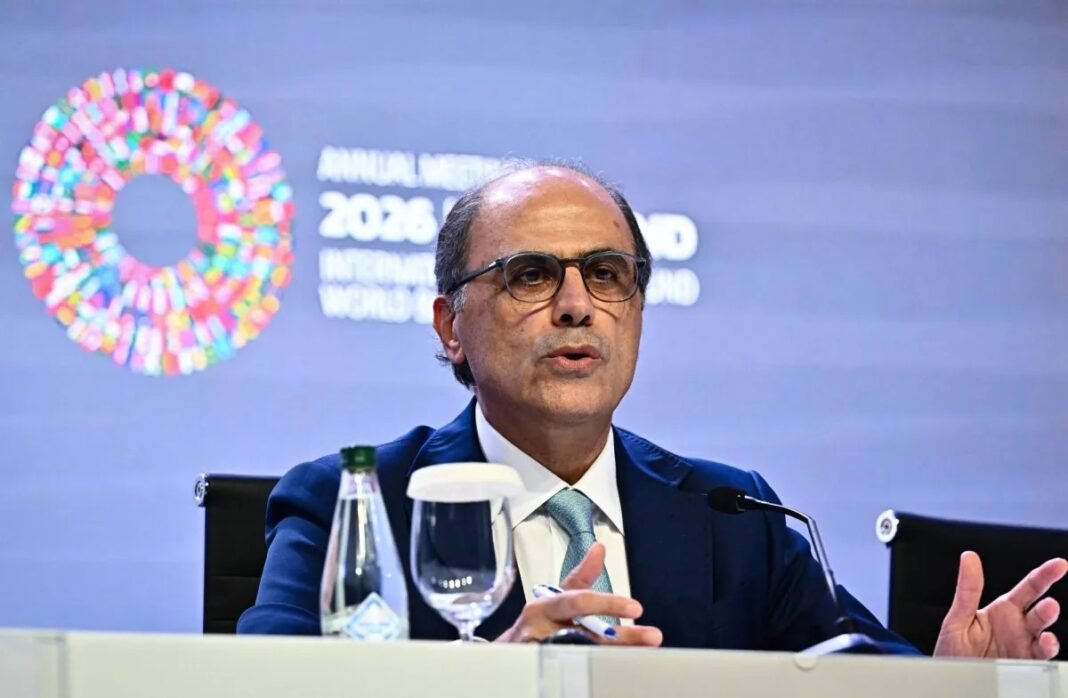
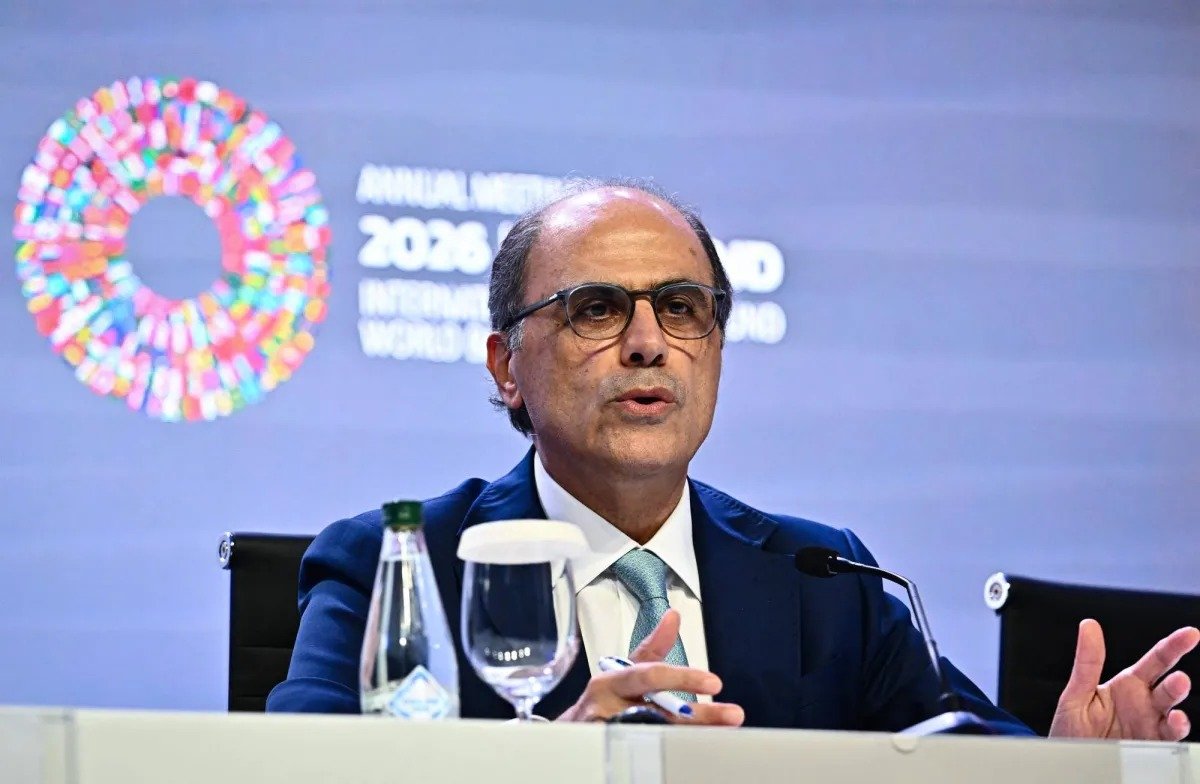
“Several Gulf oil exporters are projected to experience recession this year,” Jihad Azour, director of the IMF’s Middle East and Central Asia Department, told a press conference.
Across the Middle East, North Africa, Afghanistan and Pakistan, the IMF expects output to contract 1.3% in 2026 and grow 6.6% in 2027. The 2026 forecast is about 3 percentage points lower than in April.
The baseline assumes the conflict abates in early 2027 and that trade gradually normalizes during the year. “A more prolonged conflict remains the principal risk to the outlook,” Azour said.
The fund’s World Economic Outlook, published on Oct. 13, put Saudi Arabia’s 2026 contraction at 3.3% and the UAE’s at 3.9%.