



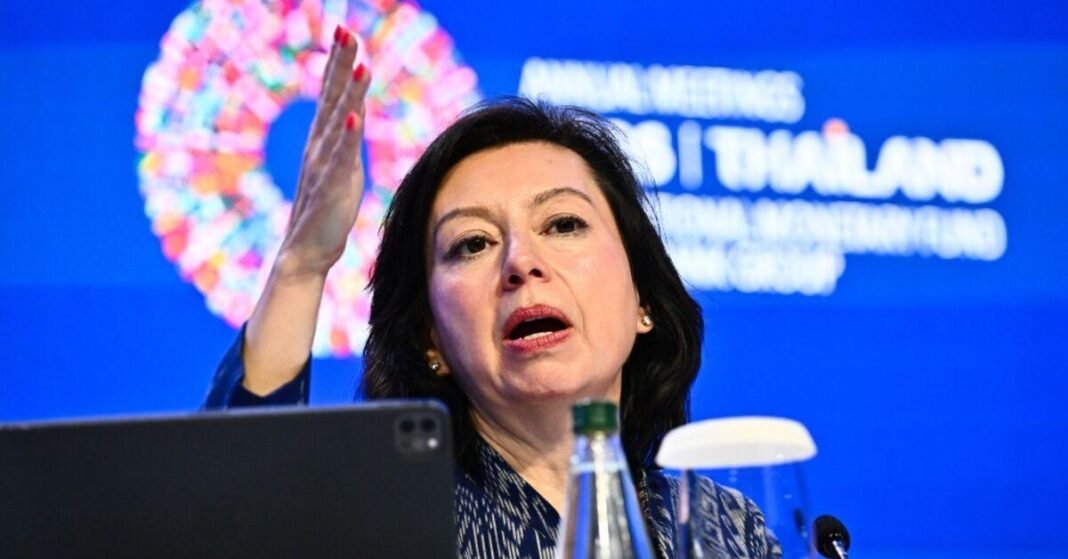
The International Monetary Fund is engaging with Iraqi authorities as it prepares a new bailout program for the country, IMF spokesperson Julie Kozack said on Thursday.
“Our plan now is to engage with the authorities to understand better their priorities, how they want to address their vulnerabilities, and then to move ahead on how we can best support them with a program,” Kozack told a regular press briefing in Washington, Al-Monitor reported.
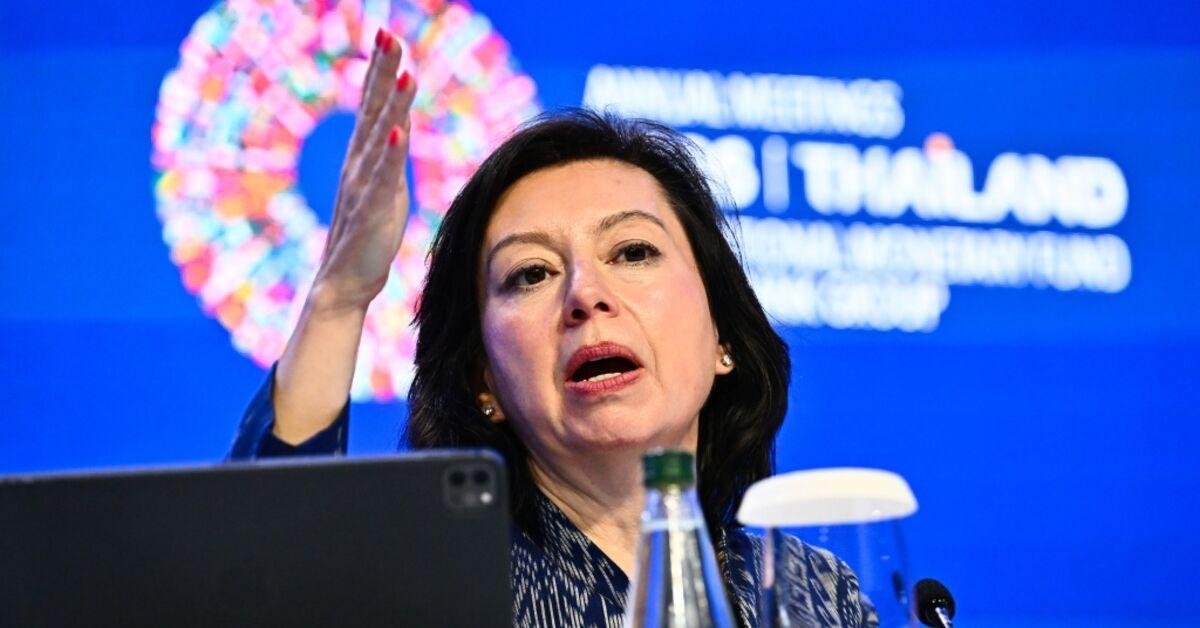
She pointed to the severe financing constraints Iraq faced before the war began. She said its very narrow non-oil revenue base was also putting pressure on the fiscal balance.
Hormuz exports
Iraq’s economy depends heavily on energy exports, which rely almost entirely on shipments through the Strait of Hormuz.
The US-Israeli war on Iran began in late February, and Tehran’s retaliation virtually blocked the strait. The IMF forecast this month that Iraq’s economy would contract by 16% this year.
IMF Managing Director Kristalina Georgieva first disclosed that Iraq had approached the fund for a new program at the IMF and World Bank annual meetings in Bangkok earlier in October.
Previous programs
The last of Iraq’s three most recent IMF programs ended in 2019. Iraq has about $428 million in interest payments due to the fund by 2030, according to IMF data.
Prime Minister Ali Falih al-Zaidi told parliament on October 8 that the government had adjusted the dollar exchange rate rather than resort to external and domestic borrowing to pay salaries.