



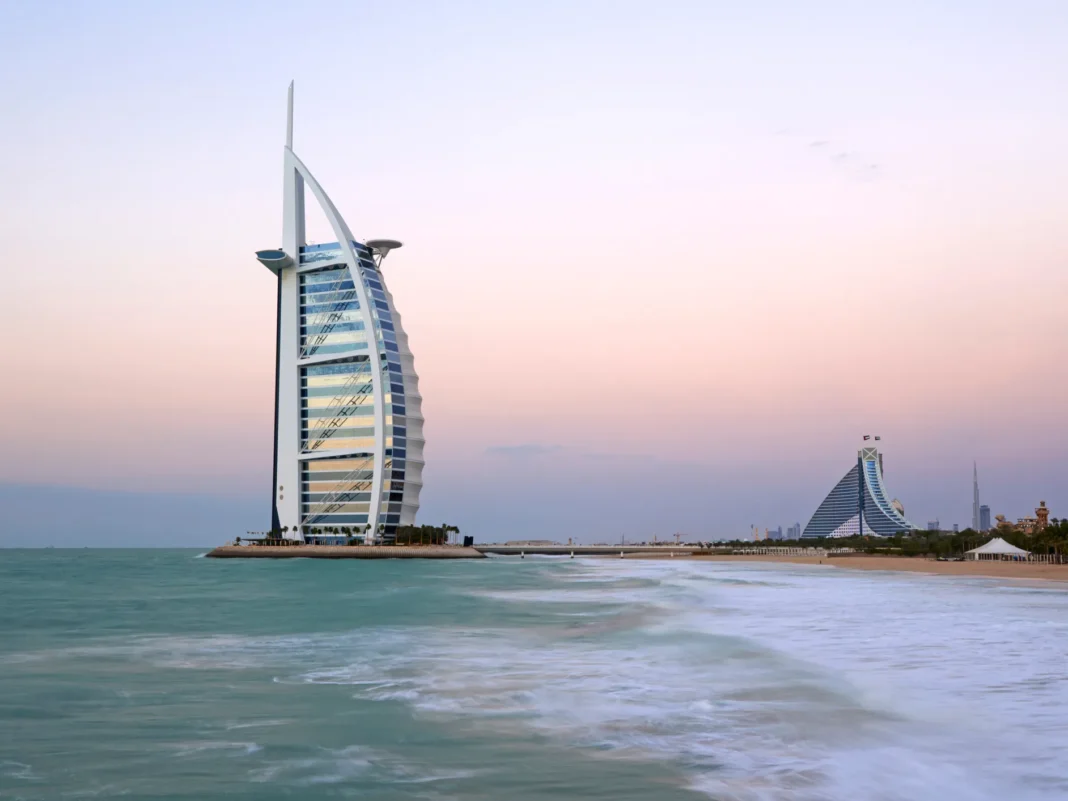
Dubai hotel closure headlines have drawn global attention after the Burj Al Arab announced a major renovation plan. The dubai hotel closure comes after more than 25 years of continuous operation at the iconic property. The hotel now prepares for a carefully phased 18-month refurbishment program. Management says the upgrade will modernize interiors while preserving the landmark identity. At the same time, the announcement arrives during heightened regional tensions affecting tourism. Consequently, the decision has sparked wider discussion in the travel sector.
The Burj Al Arab confirmed that it will temporarily suspend operations during parts of the renovation. The hotel emphasized long-term planning behind the project. It also explained that the refurbishment aims to enhance guest experience and facility standards. Furthermore, the hotel offered alternative accommodation options within its broader hospitality group. As a result, regular bookings will shift to other luxury properties in Dubai. The dubai hotel closure therefore affects high-end tourism planning across the city.
Recent regional developments have also influenced travel sentiment. Reports indicate increased security concerns across parts of the Gulf. In addition, drone activity in the wider region has raised caution among travelers and airlines. Some incidents reportedly caused minor disruptions in several UAE locations. However, authorities continue to maintain operational safety across airports and tourism hubs. Even so, uncertainty has affected visitor confidence in luxury travel markets.
The Burj Al Arab remains one of Dubai’s most recognized landmarks. It has operated for more than two decades as a global symbol of luxury hospitality. Management now focuses on preserving its identity while upgrading infrastructure. The renovation includes improvements to design, décor, and guest services. Therefore, the dubai hotel closure reflects a strategic investment rather than a permanent shutdown. Industry experts expect the property to return with enhanced global appeal.
The broader tourism sector continues to adjust to regional pressures. Airlines have reported schedule changes and reduced capacity on select routes. Rising fuel costs have also added pressure on international travel demand. In addition, geopolitical uncertainty has influenced booking patterns across the Gulf. Despite these challenges, Dubai continues to attract high levels of global tourism interest. Therefore, long-term outlooks remain cautiously positive.
The hospitality industry views this renovation as part of a broader transformation cycle. Luxury hotels across the region continue upgrading facilities to remain competitive. At the same time, consumer expectations for premium experiences continue to rise. As a result, major hotel operators invest heavily in modernization projects. The dubai hotel closure fits within this wider regional trend of reinvestment.
The Burj Al Arab renovation signals both change and continuity. Dubai maintains its position as a global tourism hub despite short-term disruptions. Authorities and industry leaders continue to support long-term growth in hospitality. The project highlights confidence in the future of luxury travel in the region.

