



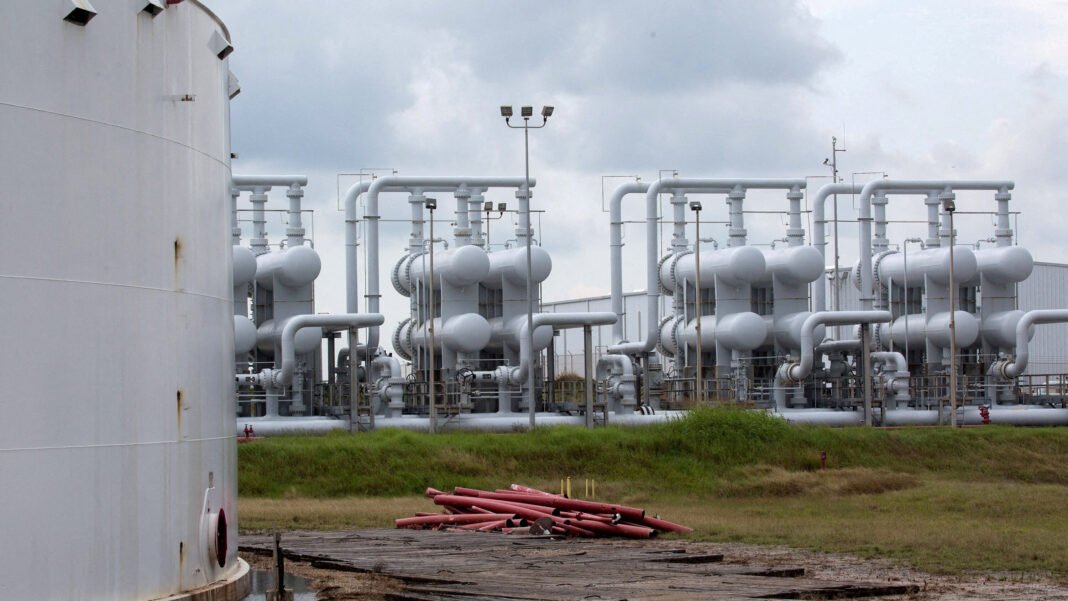
War damage cost concerns continue to rise across the Gulf after new estimates highlight severe energy infrastructure losses. The war damage cost now reflects a much larger financial burden than earlier projections suggested. Analysts warn that recent conflict damage could reshape global energy supply chains for years. Moreover, reconstruction needs extend beyond oil and gas into power and industrial systems. At the same time, governments face growing pressure to stabilize critical infrastructure. Consequently, markets now track repair timelines closely.
A new industry assessment places total repair needs at up to 58 billion dollars. Initially, earlier estimates stood at around 25 billion dollars. However, expanded damage surveys increased the total significantly. Oil and gas facilities account for up to 50 billion dollars of that figure. In addition, power stations, desalination plants, and industrial assets require another 3 to 8 billion dollars. Therefore, the war damage cost continues to rise as assessments expand across the region.
Analysts explain that reconstruction will strain global engineering capacity. Furthermore, repair projects will compete with ongoing global energy developments. As a result, contractors and equipment suppliers face heavy demand pressure. This situation may delay new projects in multiple regions. In addition, inflation risks could rise across energy and industrial sectors. Consequently, the war damage cost affects not only repairs but also future investment pipelines.
Iran is expected to face one of the largest financial burdens. Estimates suggest damage could reach 19 billion dollars in the country. Much of the impact links to major gas and petrochemical facilities. In particular, infrastructure connected to shared gas fields suffered significant disruption. However, sanctions and restricted imports may slow recovery efforts. Therefore, Iran may experience a longer rebuilding timeline compared to its neighbors.
Qatar also faces complex technical restoration challenges. Damage centers on its major LNG hub in Ras Laffan. Although the affected areas remain localized, the impact carries global importance. LNG supply chains depend heavily on uninterrupted operations in this hub. As a result, even limited disruption can affect international energy flows. Therefore, the war damage cost in Qatar carries global consequences.
At the same time, regional maritime risks remain elevated. Strategic shipping routes continue to face uncertainty. Even partial disruptions increase freight and insurance costs. Moreover, global energy markets remain sensitive to political developments. As a result, investors continue to monitor stability in key transit corridors. The war damage cost also reflects these wider market risks.
Global economic institutions now warn of secondary effects. Higher energy prices could contribute to inflation pressures worldwide. In addition, slower growth expectations may affect multiple economies. Governments also face limited fiscal space to respond to shocks. Therefore, recovery depends on both political stability and investment flow. Ultimately, the war damage cost extends far beyond physical reconstruction.

