



Outstanding loans and credit facilities to Bahrain’s resident economic sectors rose 7.8% year on year to BD13.6 billion at the end of August 2026, according to data reviewed by the board of the Central Bank of Bahrain (CBB), Al Bilad reported on Thursday.
Business lending accounted for 39.4% of the total and personal lending for 47.6%.
Private sector deposits at retail banks rose 8.0% to about BD14.6 billion over the same period.
Broad money supply (M3) reached BD17.8 billion at the end of August, up BD1.4 billion from a year earlier.
The consolidated balance sheet of the banking system, covering retail and wholesale banks, was $247.0 billion at the end of August, up 0.1% from a year earlier.
Capital adequacy at 21.3%
The banking sector’s capital adequacy ratio stood at 21.3% at the end of the second quarter of 2026, compared with 20.2% a year earlier.
The ratio was 27.2% for conventional retail banks and 18.0% for conventional wholesale banks. It was 25.5% for Islamic retail banks and 16.2% for Islamic wholesale banks.
Card payments
Point-of-sale transactions rose 6.6% to 181.7 million between January and August 2026, with 77.2% made using contactless cards.
The value of point-of-sale transactions in August was BD3.4 billion, down 2.1% from a year earlier. Contactless cards accounted for 53.4% of that value.
The CBB registered 1,683 investment funds at the end of June 2026.
Board meeting
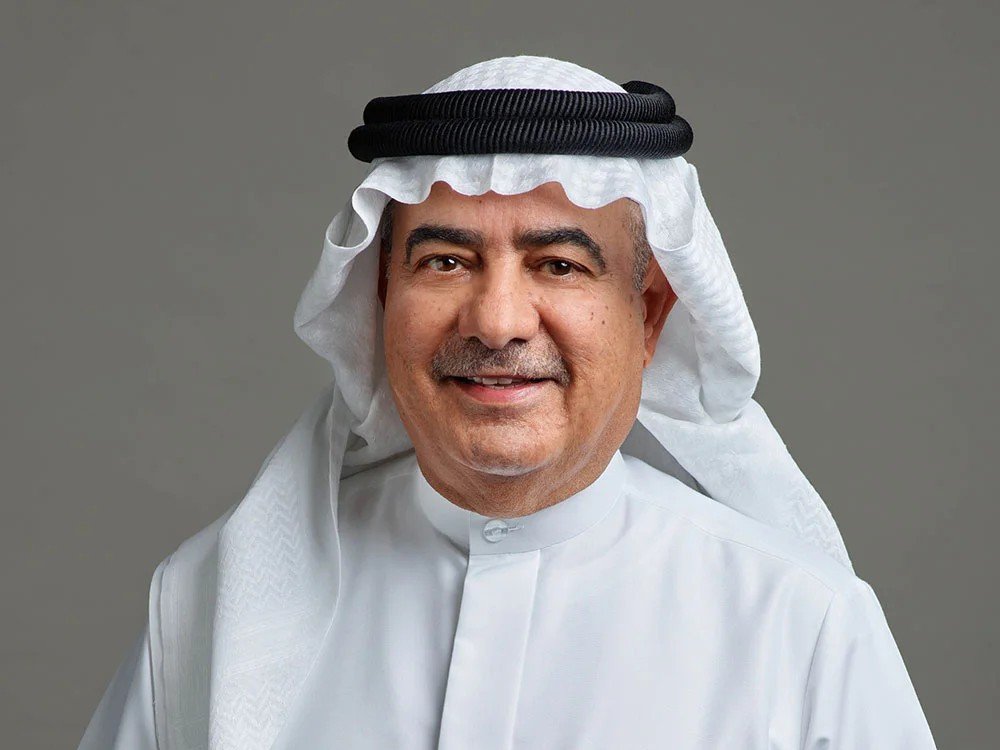
Hassan Khalifa Al Jalahma, chairman of the CBB, chaired the board’s third meeting of 2026. Governor Khalid Ibrahim Humaidan briefed members on the central bank’s priorities.
The board reviewed the central bank’s performance report and its artificial intelligence strategy. It also discussed the second edition of its graduate development program, for which applications rose about threefold.