



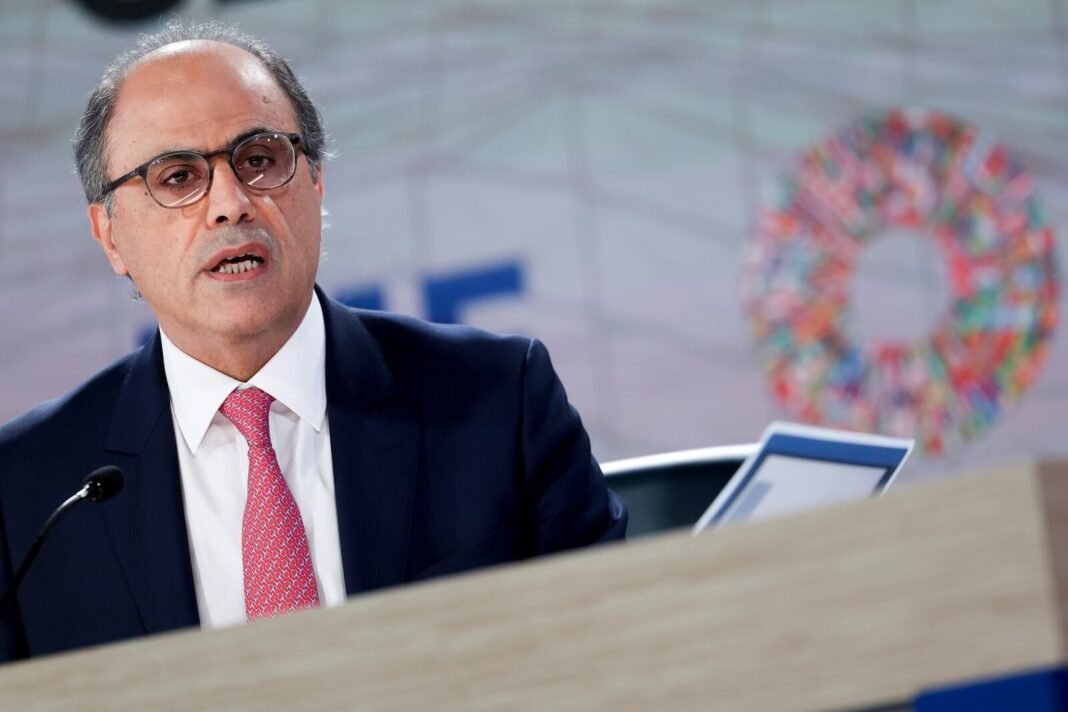
Buffers including alternative export routes and financial reserves have limited the economic damage to Gulf states from the regional war, but they are finite, said Jihad Azour, director of the International Monetary Fund’s Middle East and Central Asia Department.
“These buffers bought time, but they are finite,” Azour told reporters at the IMF and World Bank annual meetings in Bangkok, according to The National. “Inventories are lower, spare capacity is tighter, and renewed disruption could generate much larger price adjustments.”
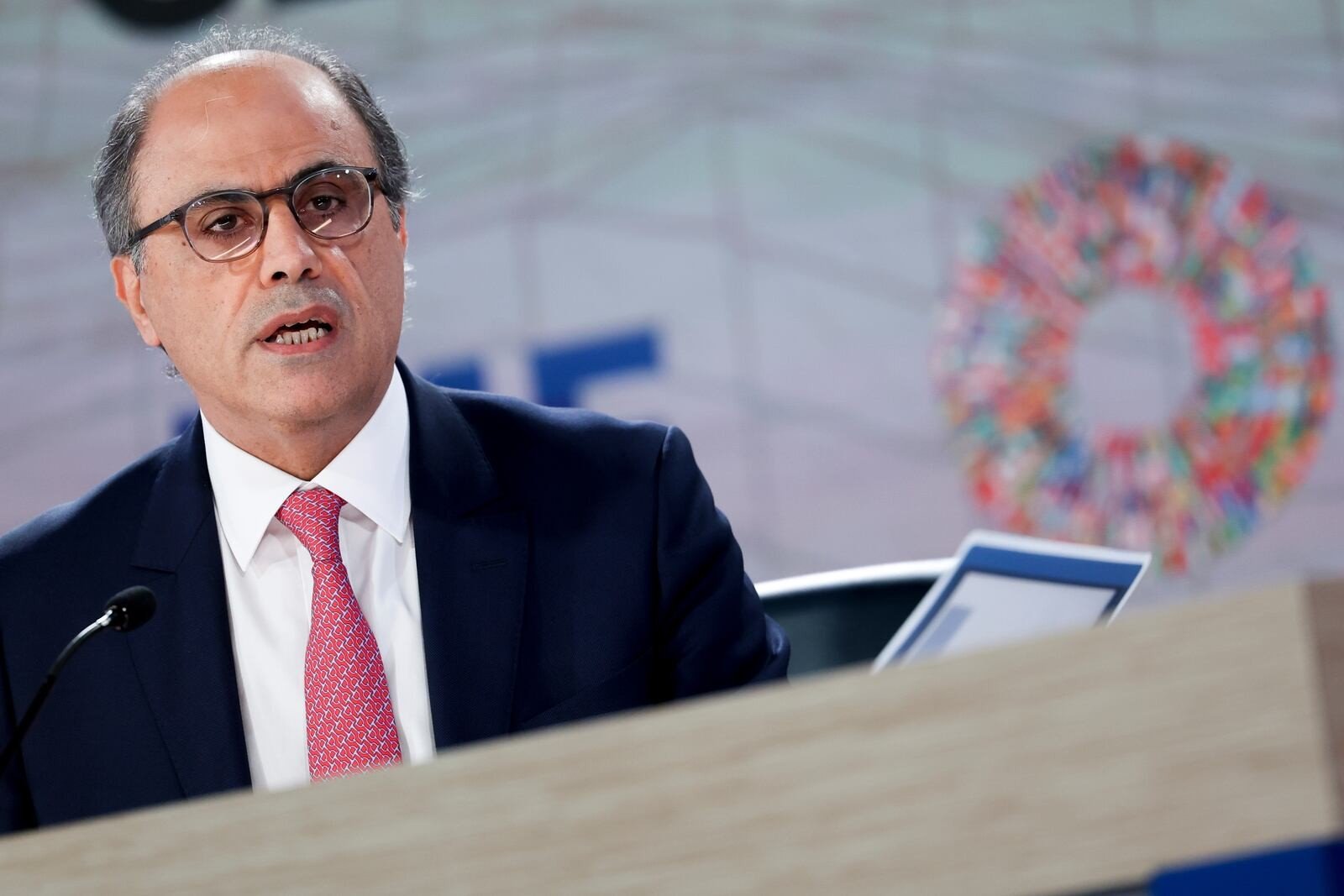
In an interview with Asharq Bloomberg reported by Arab News, Azour said Saudi Arabia, the UAE and Oman had used alternative oil export routes to redirect shipments away from disrupted corridors.
He said Bahrain had benefited from Gulf support in securing liquidity. Its reserves are lower than those of its Gulf peers, he said, which requires fiscal measures to gradually reduce the deficit and rebuild reserves.
The IMF expects Bahrain’s economy to contract by 11.3% in 2026.
Azour said Qatar and Kuwait have enough financial capacity to adapt, despite greater disruption to their oil exports.
The fund projects Kuwait’s economy will shrink 16.7% in 2026 and Qatar’s 15.6%. Oman is forecast to grow 4.1%.
The IMF forecasts Saudi Arabia’s economy will grow 7.9% in 2027, according to Arab News.
Azour also called for deeper Gulf integration in financial markets and infrastructure to strengthen resilience over the long term.

