



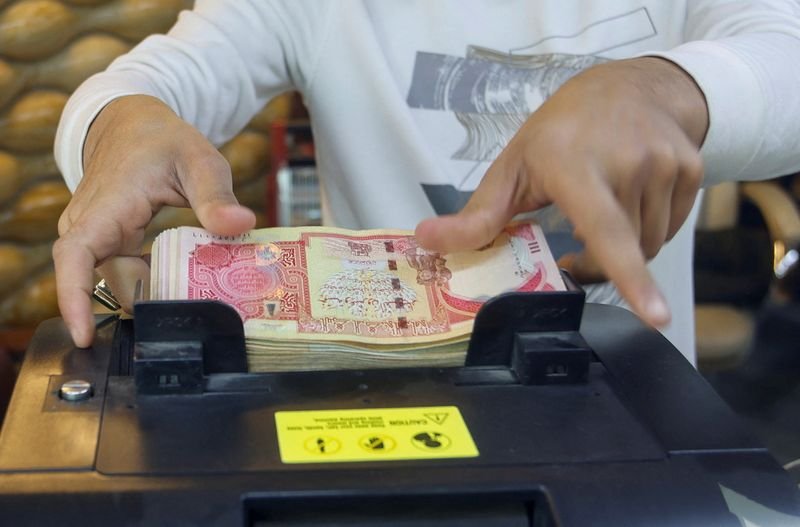
Iraq has adjusted its official exchange rate as authorities seek to narrow the gap with market prices. The new policy sets different rates for government purchases, bank sales, and private financial institutions. Meanwhile, currency traders continue to quote higher dollar prices across Iraq. The move could affect household costs, imports, and business activity nationwide.
Iraq’s Council of Ministers approved the new exchange rates during its latest meeting. Under the decision, the Finance Ministry will buy dollars at 1,500 dinars. Banks will purchase dollars from the ministry at 1,510 dinars per dollar. However, banks and private financial institutions will sell dollars at 1,520 dinars.
The new rates will take effect from Wednesday, according to the government decision. Previously, the Central Bank of Iraq maintained a rate of 1,320 dinars per dollar. That official level increasingly differed from prices in Iraq’s parallel currency market. Consequently, authorities moved the official rate closer to prevailing market conditions.
The change represents one of the sharpest adjustments in the dinar’s value since late 2023. At the same time, currency traders have continued reporting elevated dollar prices. In Erbil, exchange offices recently quoted more than 170,000 dinars for $100. Therefore, market prices remain significantly above the newly announced official rate.
The policy aims to reduce the difference between official and parallel exchange rates. Furthermore, officials expect a narrower gap to improve currency market stability. A smaller difference could also reduce incentives for some dollar trading outside formal channels. Nevertheless, market conditions will continue influencing actual exchange prices.
The weaker dinar could create additional pressure on imported goods across Iraq. Importers often depend on dollars to purchase food, medicine, electronics, and other products. As a result, higher dollar costs can increase prices for consumers. Moreover, businesses may face greater expenses when purchasing goods from foreign suppliers.
Iraq’s economy also depends heavily on oil revenues and international dollar transactions. Therefore, disruptions affecting crude exports can influence foreign currency availability. Recent regional tensions have created additional challenges for Iraq’s oil transportation routes. In particular, restrictions around the Strait of Hormuz have affected export operations.
Most Iraqi oil exports traditionally travel through the Strait of Hormuz toward international buyers. However, disruptions have forced exporters to manage shipments under more difficult conditions. Lower export volumes can reduce foreign currency inflows into the Iraqi economy. Consequently, pressure on the dinar can increase when dollar supplies tighten.
The exchange rate change comes as Iraq faces broader economic and market pressures. The government must balance currency stability with the rising costs of imports. Meanwhile, businesses and consumers will closely monitor exchange offices following the decision. The coming weeks should show how quickly market prices respond to the new policy.

