



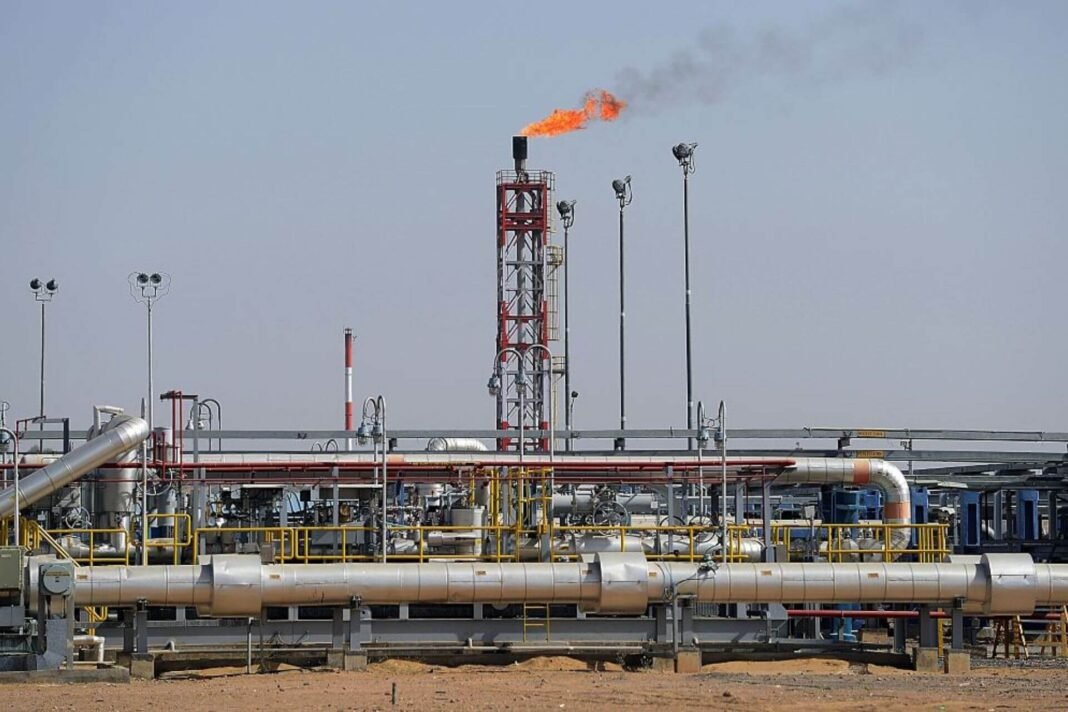
Iraq oil exports will follow new mechanisms after the Council of Ministers approved changes to export operations. The measures aim to improve flexibility across several outlets.
The new arrangements will allow specialist international and domestic companies to handle Iraqi crude exports. Officials will use contracts lasting three months under the new framework. The contracts will begin on September 1, 2026.
The government wants the new approach to support smoother oil shipments. It also aims to create greater flexibility when market and logistical conditions change. Authorities have also approved special measures covering export and import capacity.
These measures give the Ministry of Oil greater room to respond to changing supply requirements. The Oil Minister received additional authority under the new decisions. He can establish more transportation routes for existing contracts when necessary.
The minister can also renew current contracts under the approved arrangements. Consequently, authorities can maintain oil transportation operations without unnecessary interruptions. The government also granted permission to import petroleum products when required.
This measure aims to protect domestic supplies and prevent potential shortages. Officials consider supply stability an important priority for the country’s energy sector. Therefore, the new import powers could help authorities respond faster to market pressures.
The decisions also focus on expanding Iraq’s wider energy infrastructure. Several projects will support additional transportation and loading capacity. The Oil Pipelines Company received instructions to complete the expansion of loading platforms.
The project should improve Iraq’s ability to handle petroleum shipments. The government also approved early work on two important pipeline facilities. Officials want construction to begin before final contract signing.
One project involves rehabilitating the IT2A station. Another project involves work at the IT1 offloading station. The two facilities play an important role within Iraq’s petroleum transportation network.
The IT1 station has a capacity of 300,000 barrels per day. Authorities want to accelerate the movement of imported raw materials through the facility. The government also stressed competition and transparency during the infrastructure work.
These principles will guide the implementation of the approved projects. The measures come as Iraq continues working to strengthen its energy sector. Oil remains a major source of government revenue and economic activity.
Improving export infrastructure could help the country manage crude shipments more efficiently. It could also reduce logistical challenges affecting oil transportation. Meanwhile, expanding import capacity could provide additional protection during supply disruptions.
Authorities could respond more quickly if domestic demand increases. The three-month contract structure also introduces greater flexibility into export arrangements. Officials can reassess operations more frequently under shorter contract periods.
However, the success of the new system will depend on implementation. Companies and government agencies must coordinate closely to maintain smooth operations. The new mechanisms could also encourage wider participation from qualified companies.
International and domestic firms will have opportunities to support Iraq’s export network. At the same time, authorities will need to maintain strong oversight. Transparent procedures can help ensure fair competition among participating companies.
Infrastructure upgrades will remain another important part of the government’s strategy. Better loading facilities can support higher efficiency across the transportation network. The rehabilitation of existing stations could also improve reliability.
Modernized facilities may help reduce delays during petroleum transportation operations. Overall, Iraq oil exports are entering a new phase with updated contractual arrangements. The government also plans broader infrastructure improvements to support energy operations.
The measures could strengthen Iraq’s ability to manage exports and imports. They may also improve supply security while supporting more flexible transportation arrangements. As the new contracts begin in September, companies will prepare for the revised export framework.
Meanwhile, infrastructure projects will continue supporting the country’s long-term energy objectives. Iraq oil exports remain central to the national economy. Therefore, improving transportation capacity and operational flexibility will remain a key government priority.

