



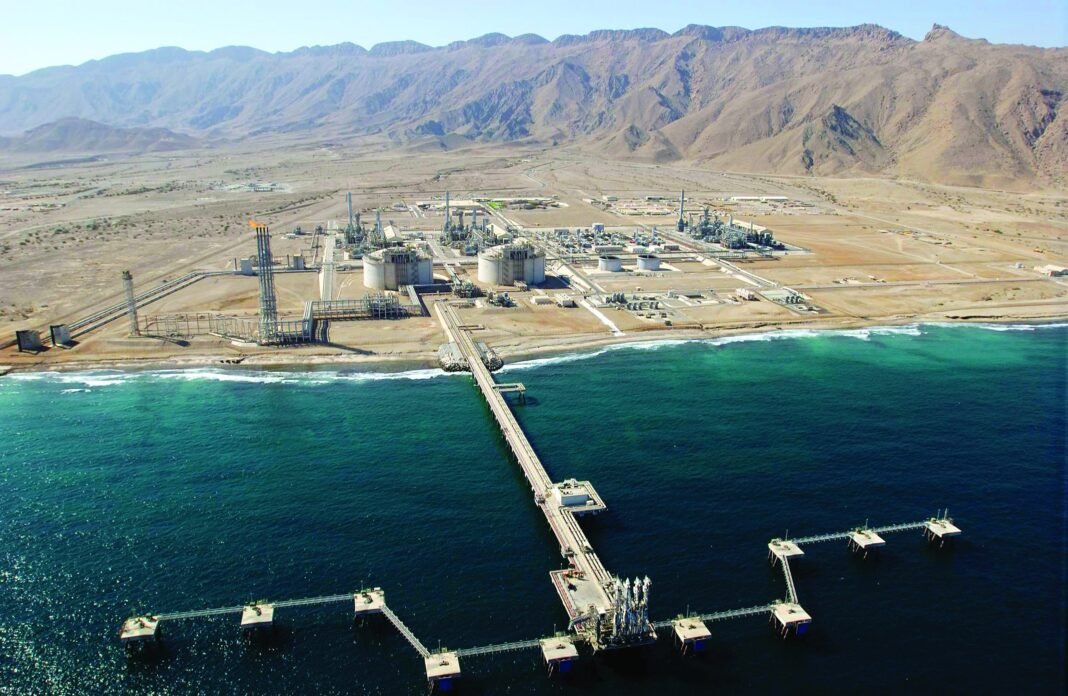
The Oman economy grew strongly during the second quarter of 2026. Higher oil production helped support overall growth during the period. Gross domestic product increased 5.1% from the same quarter last year. The economy reached OMR9.9 billion, equal to about $26 billion.
The growth came despite major disruptions around the Strait of Hormuz. Oman maintained relatively strong oil exports during the period. The country also benefited from its access to waters outside the strait. As a result, energy activity continued to support economic performance.
Petroleum revenue reached OMR3.4 billion during the second quarter. That figure increased from OMR3 billion during the same period last year. Higher crude prices also supported government revenue during the first half. Meanwhile, Oman continued to expand its daily oil production.
Average Omani crude prices reached $81 per barrel during the first six months. Prices stood at $74 per barrel during the same period last year. That increase represents growth of almost 10% over the year. Higher prices therefore provided additional support for the country’s finances.
Daily crude production also recorded a significant increase through June. Output rose 11% from the same period last year. Production reached about 1.1 million barrels per day. Gas production also increased by 7% during the period.
Non-petroleum activities also contributed to the country’s economic expansion. Their combined value reached about OMR7 billion during the second quarter. That figure represented an annual increase of almost 1%. However, growth outside the energy sector remained relatively modest.
Agriculture and fishing recorded a small increase during the quarter. The sector generated about OMR325 million in economic activity. It produced OMR318 million during the second quarter of 2025. Therefore, the sector continued to provide steady support for domestic activity.
Industrial activity moved in the opposite direction during the same period. The sector declined by almost 2% compared with last year. Its value reached about OMR2 billion during the quarter. This decline limited some of the gains from stronger energy activity.
Meanwhile, Oman expects its budget position to improve during 2026. The government projected a deficit of OMR530 million for the year. That figure represents a 14% decline from the previous year’s deficit. Higher energy prices could help reduce pressure on public finances.
The country’s location also helped protect economic activity from regional disruptions. The Strait of Hormuz remains a major route for global energy shipments. However, Oman has coastal access beyond the strait. This geographic advantage helped limit the impact on its energy exports.
The stronger Oman economy also reflects rising activity across the energy sector. Oil output increased while gas production continued to grow. Higher crude prices added another source of support. Together, these trends strengthened the country’s economic performance during the quarter.
Still, economic growth remains exposed to changes in energy markets. Oil and gas continue to play an important role in government revenue. Industrial activity also needs stronger growth to broaden the recovery. Therefore, non-energy sectors remain important for Oman’s longer-term development.
The latest figures show that energy activity remains a key economic driver. Stronger production helped offset weaker industrial performance during the quarter. At the same time, agriculture and fishing posted modest gains. These developments helped the Oman economy maintain positive momentum.
Oman now enters the second half of 2026 with several supportive factors. Oil prices remain higher than they were one year earlier. Production also remains above last year’s levels. However, global energy conditions will continue to influence future growth.
The government’s improving budget outlook could provide additional room for investment. Stronger revenues can also support development and infrastructure spending. Meanwhile, continued diversification could reduce reliance on oil over time. These efforts remain central to the country’s broader economic strategy.

