



Iraq Energy Growth continues to strengthen as Eni reports higher hydrocarbon production in 2025. The company expanded output across oil and gas operations in Iraq. Moreover, it recorded steady increases in both liquids and natural gas production.
Initially, liquids production rose from 10 million barrels to 11 million barrels. Meanwhile, natural gas output increased from 25 billion cubic feet to 30 billion cubic feet. In addition, total hydrocarbons climbed from 15 to 17 million barrels of oil equivalent.
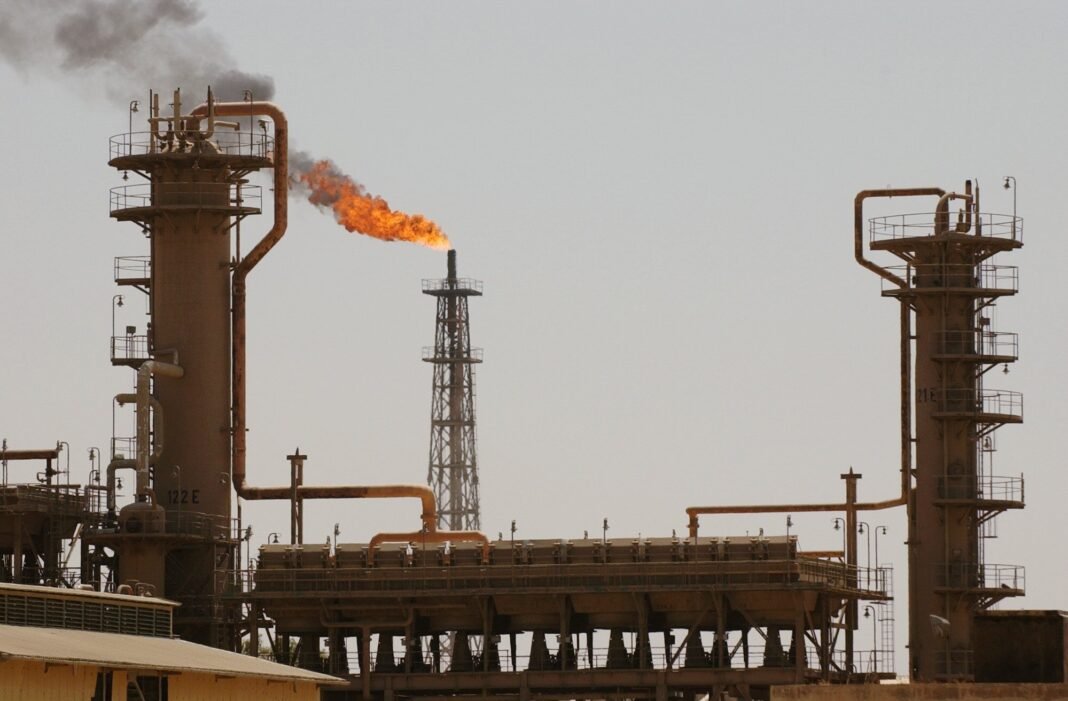
Iraq Energy Growth reflects ongoing development work in the Zubair Oil Field. Eni focused its efforts on an additional phase of the Enhanced Redevelopment Plan. Furthermore, the company installed new facilities to support higher production capacity.
At the same time, engineers worked to improve water availability across the field. They also expanded water treatment systems to maintain reservoir pressure. Consequently, production stability improved across multiple extraction zones.
Later in 2025, Eni launched the phased start-up of the Zubair Mishrif Expansion project. This development plays a key role in increasing long-term output. Moreover, it supports broader production efficiency across the field.
The expansion includes four oil treatment units. Together, these units process up to 200,000 barrels of oil equivalent per day. In addition, the project adds significant water injection capacity to support reservoir performance.
Furthermore, engineers designed the system to inject around 750,000 barrels of water equivalent per day. This approach helps maintain pressure and improve recovery rates. As a result, long-term output potential increases across the field.
In addition, Eni continues working toward a zero-flaring target by 2027. The company aims to reduce environmental impact while improving operational efficiency. Therefore, gas management remains a key priority in its Iraq operations.
Meanwhile, Eni plans to drill additional wells over the coming years. These wells will gradually bring more reserves into production. Consequently, the company expects sustained output growth in future phases.
Iraq Energy Growth also extends beyond oil and gas production. Eni continues investing in local infrastructure projects in the Basra region. Moreover, these initiatives support community development alongside energy expansion.
For example, the company completed the second phase of the Al-Buradeiah drinking water plant. Additionally, it began construction of two new school buildings in Zubair. These projects aim to improve local living conditions and social infrastructure.
Furthermore, Eni’s combined energy and community investments strengthen its long-term presence in Iraq. As production increases, development projects also expand. Therefore, the company maintains a balanced approach between growth and sustainability.
Overall, Iraq Energy Growth highlights strong progress in oil, gas, and infrastructure development. The Zubair field remains central to this expansion strategy. Finally, continued investment signals further production increases in the coming years.

