



The UAE-Syria corridor discussions have advanced as both countries explore plans for a new regional logistics route. As regional trade continues expanding, officials aim to strengthen transport links with Iraq while supporting investment in logistics infrastructure. Consequently, the proposed network could improve commerce, shorten delivery times, and create new economic opportunities across the region.
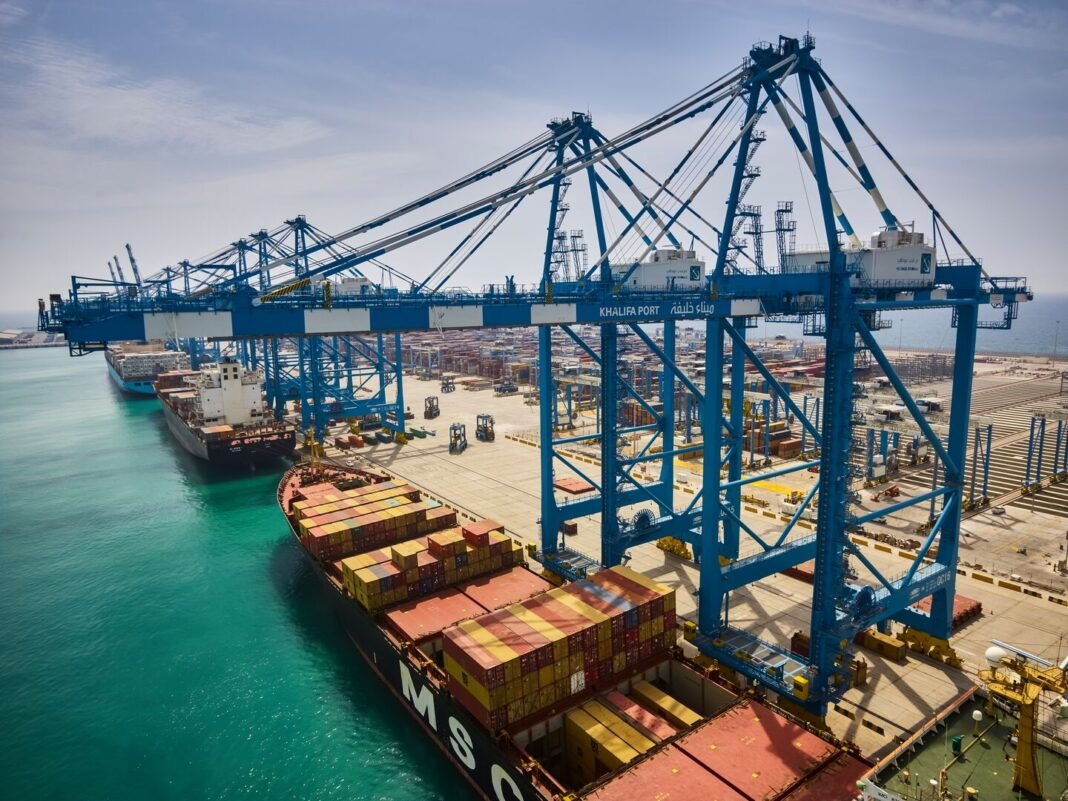
Representatives from the UAE and Syria recently discussed establishing a logistics corridor connecting major regional ports. Under the proposal, the route would link Syrian ports with Iraq’s Umm Qasr Port before extending to Khalifa Port in the UAE. As a result, businesses could move cargo more efficiently while benefiting from stronger supply chains.
Furthermore, both sides discussed expanding logistics infrastructure within Syria. Officials examined investment opportunities involving seaports, free zones, and inland dry ports. These projects aim to improve freight handling capacity while strengthening regional connectivity.
In addition, officials reviewed plans to establish a logistics hub at the Al-Tanf border crossing. The proposed facility could support cargo movement between neighboring countries. Moreover, it could strengthen overland trade routes linking the Gulf region with the eastern Mediterranean.
The latest discussions build on recent efforts to improve regional shipping connections. Earlier, a new shipping service linked Khalifa Port with Umm Qasr Port. Consequently, that route now supports cargo transportation between Gulf markets, Turkey, and several European destinations.
Officials believe stronger transport links can significantly reduce delivery times. At the same time, improved infrastructure could lower logistics costs for exporters and importers. Therefore, businesses across multiple industries may benefit from greater trade efficiency and improved competitiveness.
Meanwhile, Syrian officials presented plans to modernize the country’s transport infrastructure. The proposals include developing dry ports in Damascus, Aleppo, and Homs. These facilities would improve cargo storage, customs processing, and freight distribution across Syria.
Dry ports also help reduce congestion at major seaports. Furthermore, they improve inland transportation by connecting road, rail, and maritime networks. As a result, businesses can transport goods more efficiently to domestic and international markets.
The UAE delegation also proposed creating joint working groups to study future projects. These teams would evaluate financing models, investment opportunities, and possible partnerships. Consequently, they could accelerate project implementation once both governments finalize agreements.
Agriculture formed another important part of the discussions. UAE-based companies signed agreements with Syria’s agriculture authorities to encourage greater investment in farming. In addition, both sides aim to increase exports of Syrian agricultural products to regional markets.
Future agricultural projects could include contract farming programs and modern production facilities. Moreover, officials discussed developing sorting, grading, and packaging centers. These improvements would help prepare products for international markets while improving export quality.
Expanding agricultural exports could also support Syria’s economic recovery. At the same time, Gulf investors may discover new commercial opportunities across the agricultural sector. Therefore, stronger cooperation could generate long-term economic benefits for both countries.
Private sector investment continues attracting growing attention as well. Several regional companies have already announced plans to explore future development opportunities in Syria. These investments may focus on logistics, agriculture, infrastructure, manufacturing, and other productive industries.
Regional governments also continue supporting Syria’s economic recovery through financial assistance and infrastructure investment. Consequently, transportation projects have become an important priority within broader economic development strategies.
Furthermore, officials emphasized the importance of regional cooperation. Better logistics networks can strengthen supply chains, increase trade volumes, and improve investment confidence. As a result, enhanced connectivity may encourage additional business activity across neighboring countries.
The proposed UAE-Syria corridor could create significant opportunities for shipping companies, exporters, manufacturers, and logistics providers. Efficient transportation networks remain essential for economic growth. Therefore, expanding regional connectivity continues to receive strong political and commercial support.
Looking ahead, the UAE-Syria corridor remains under discussion while both countries evaluate technical and financial details. Nevertheless, the proposal reflects growing interest in deeper regional trade partnerships. If implemented successfully, the corridor could become a vital transport link connecting Gulf markets with Iraq and Syria while supporting long-term regional economic development.

