



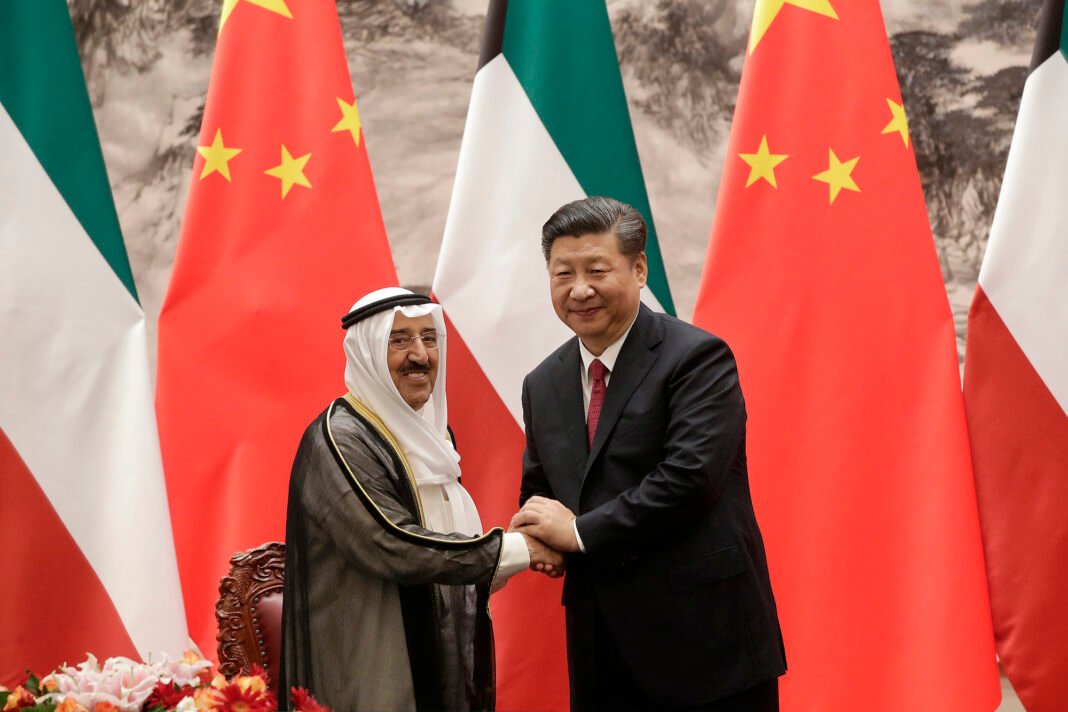
Kuwait China cooperation took center stage as Kuwaiti officials reaffirmed their commitment to expanding partnerships in science, technology, and innovation. The initiative supports Kuwait’s long-term economic strategy while encouraging greater collaboration with China across several advanced industries. Furthermore, both countries continue exploring opportunities that promote sustainable growth and technological progress.
Kuwait’s Ambassador to China, Jassem Al-Najem, highlighted the importance of innovation during the opening of the First Forum on Science, Technology and Innovation Cooperation between China and the Shanghai Cooperation Organisation in Qingdao. He explained that scientific advancement remains a key priority under Kuwait Vision 2035.
According to the ambassador, Kuwait considers science and technology essential for building a diversified economy. In addition, the country continues investing in digital transformation and modern infrastructure to strengthen long-term economic competitiveness.
He also noted that scientific research plays a vital role in preparing future generations for emerging industries. Therefore, Kuwait continues supporting initiatives that encourage innovation, education, and youth development.
The ambassador identified several areas for deeper cooperation with China. These include artificial intelligence, renewable energy, smart city development, higher education, and scientific research. Each sector offers opportunities for knowledge sharing and long-term investment.
Artificial intelligence continues transforming industries worldwide. Consequently, Kuwait seeks partnerships that accelerate technological adoption and improve public services. Cooperation with China could also support research and innovation across multiple sectors.
Renewable energy remains another important area of collaboration. Kuwait aims to diversify its energy resources while supporting environmental sustainability. At the same time, China continues expanding its expertise in clean energy technologies.
Smart city development also represents a major priority for Kuwait’s future planning. Advanced technologies can improve transportation, infrastructure, public services, and urban management. As a result, stronger international partnerships can accelerate these projects.
Higher education and scientific research remain central to Kuwait’s development goals. The country seeks stronger academic partnerships that encourage innovation and strengthen research capabilities. These collaborations can also help prepare highly skilled professionals for future industries.
The ambassador emphasized that science and innovation now drive economic and social development worldwide. He explained that countries increasingly depend on technological progress to address complex global challenges. Therefore, international cooperation remains more important than ever.
He also encouraged stronger collaboration among members of the Shanghai Cooperation Organisation. According to his remarks, joint scientific initiatives can create practical solutions while supporting sustainable development across participating countries.
Furthermore, he expressed hope that the forum would produce new partnerships and long-term projects. These initiatives could strengthen cooperation between governments, universities, researchers, and technology organizations.
The two-day forum gathered government officials, researchers, experts, and representatives from scientific institutions. Participants discussed opportunities for greater cooperation in research, technology, and innovation. They also exchanged ideas on addressing shared regional and global challenges.
The Shanghai Cooperation Organisation continues promoting collaboration among its member countries. Since its establishment in 2001, the organization has expanded cooperation across political, security, economic, and regional development initiatives. Scientific and technological cooperation has also become an increasingly important part of its agenda.
Kuwait continues strengthening international partnerships as part of its broader national development strategy. Investments in innovation and advanced technologies support economic diversification while creating new opportunities for future growth. Moreover, these efforts align with Kuwait Vision 2035 and its focus on building a knowledge-based economy.
Overall, Kuwait China cooperation continues creating opportunities for stronger scientific partnerships and technological advancement. Both countries aim to expand collaboration across innovation, research, education, and sustainable development. Ultimately, Kuwait China cooperation reflects a shared commitment to supporting long-term economic progress through science and technology.