



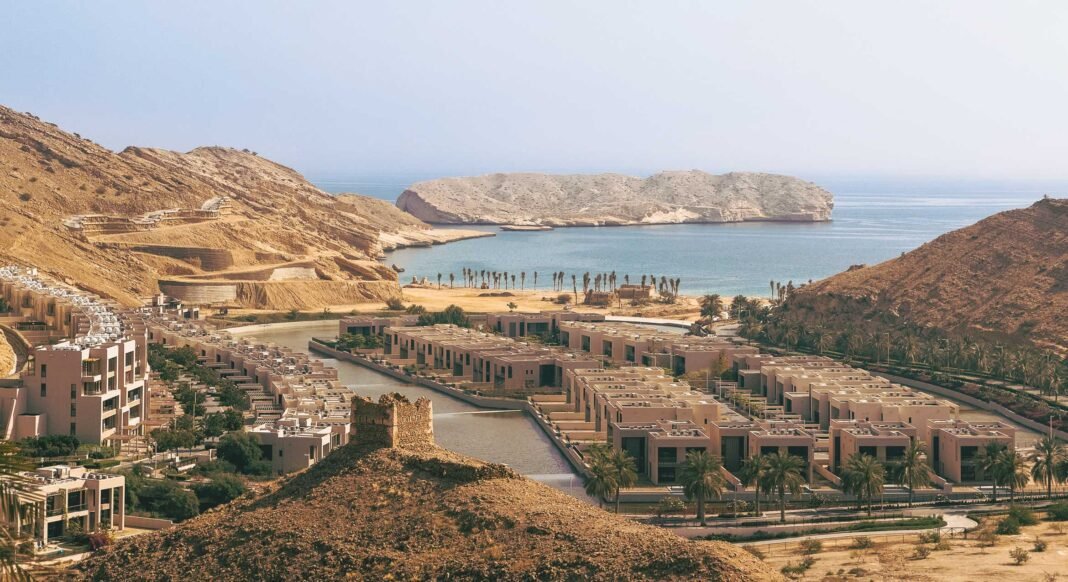
Oman property activity continued to strengthen during the first half of 2026 as more young buyers entered the housing market. Lower borrowing costs encouraged first-time homeowners to purchase residential properties. At the same time, government housing initiatives supported stronger demand across the country.
Official figures showed that property sale contracts increased by 7 percent during the first six months of the year. Nearly 34,000 transactions were completed compared with the same period in 2025. The steady rise reflected improving confidence among local homebuyers despite regional uncertainties.
Industry experts said first-time buyers played a major role in the market’s recent performance. Many young Omanis decided to purchase homes after benefiting from lower financing costs. Consequently, residential demand remained stable throughout the first half of the year.
Government-backed mortgage programs also contributed to stronger activity. Oman Housing Bank continued offering subsidized home loans to eligible first-time buyers. The program provides financing with a 2 percent interest rate. Commercial lenders generally offer higher borrowing rates.
Lower financing costs made home ownership more affordable for many families. Therefore, more buyers entered the market instead of delaying property purchases. Analysts believe affordable mortgages will continue supporting demand during the coming months.
The Central Bank of Oman also maintained lower lending rates during the first half of 2026. As a result, mortgage activity increased significantly compared with last year. Official statistics showed mortgage agreements rose by 26 percent over the same period.
While local demand improved, international activity followed a different trend. Property professionals reported fewer inquiries from buyers across the Gulf region. Many overseas investors adopted a cautious approach because of regional geopolitical tensions.
Real estate companies also observed slower activity from expatriate buyers. Although domestic demand remained healthy, international investors preferred to wait before making new commitments. Market participants believe confidence may improve once regional conditions stabilize.
Meanwhile, government officials continue promoting new residential developments throughout Oman. Marketing campaigns aim to attract both local buyers and international investors. These efforts support the country’s long-term strategy to expand the real estate sector.
Developers also expect stronger interest in off-plan properties during the second half of 2026. Several new projects are preparing to enter the construction phase. Therefore, buyers may have access to a wider selection of residential communities.
The Golden Residency program also continues attracting foreign investment. The initiative offers renewable long-term residency permits for eligible investors, entrepreneurs, and retirees. Applicants must meet minimum investment requirements through property or other approved assets.
Officials reported strong interest in the residency program since its launch. Thousands of applications have already been submitted, highlighting continued international interest in Oman despite recent market challenges.
Large-scale developments also support future market expansion. Among the biggest projects is Sultan Haitham City in Muscat. The master-planned development covers approximately 14.8 million square meters and represents one of Oman’s largest urban projects.
However, developers continue monitoring construction costs closely. Rising prices for building materials have increased development expenses. Cement, steel, and other essential materials have become more expensive because of ongoing supply chain disruptions.
Higher construction costs could eventually affect off-plan property prices. Developers may adjust prices if material costs continue rising over the coming months. Nevertheless, strong domestic demand may help maintain market momentum.
Oman property remains supported by favorable financing, government initiatives, and growing interest from first-time buyers. Although international demand has slowed, local purchasing activity continues driving the market forward. If borrowing conditions remain favorable, the housing sector could record further growth during the remainder of 2026.